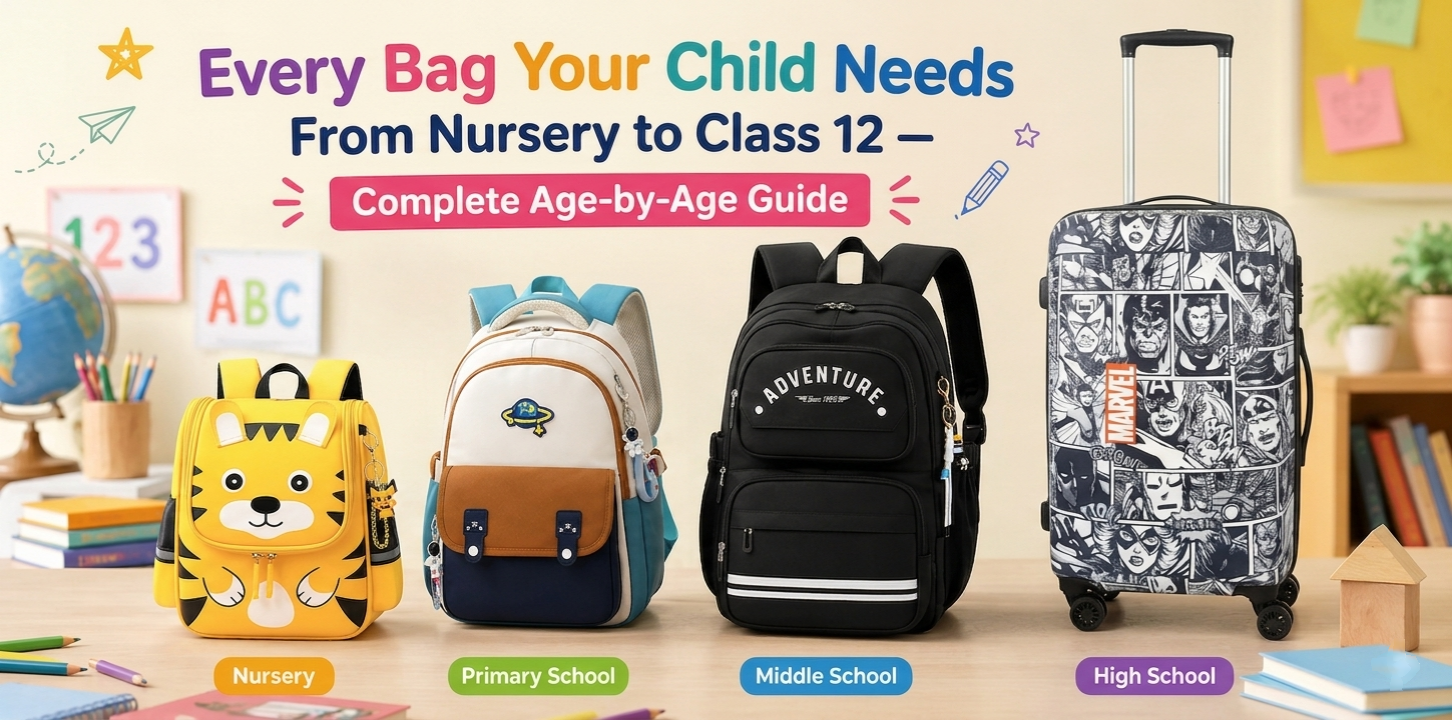


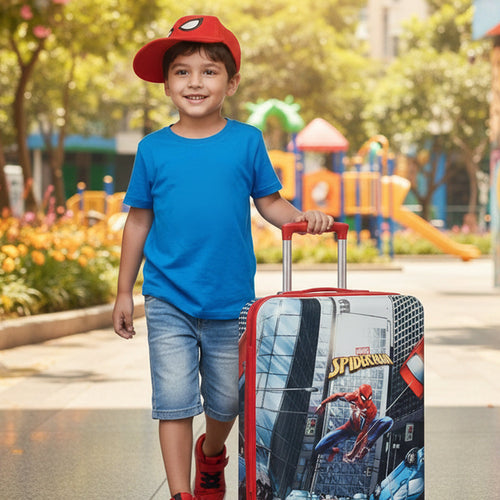
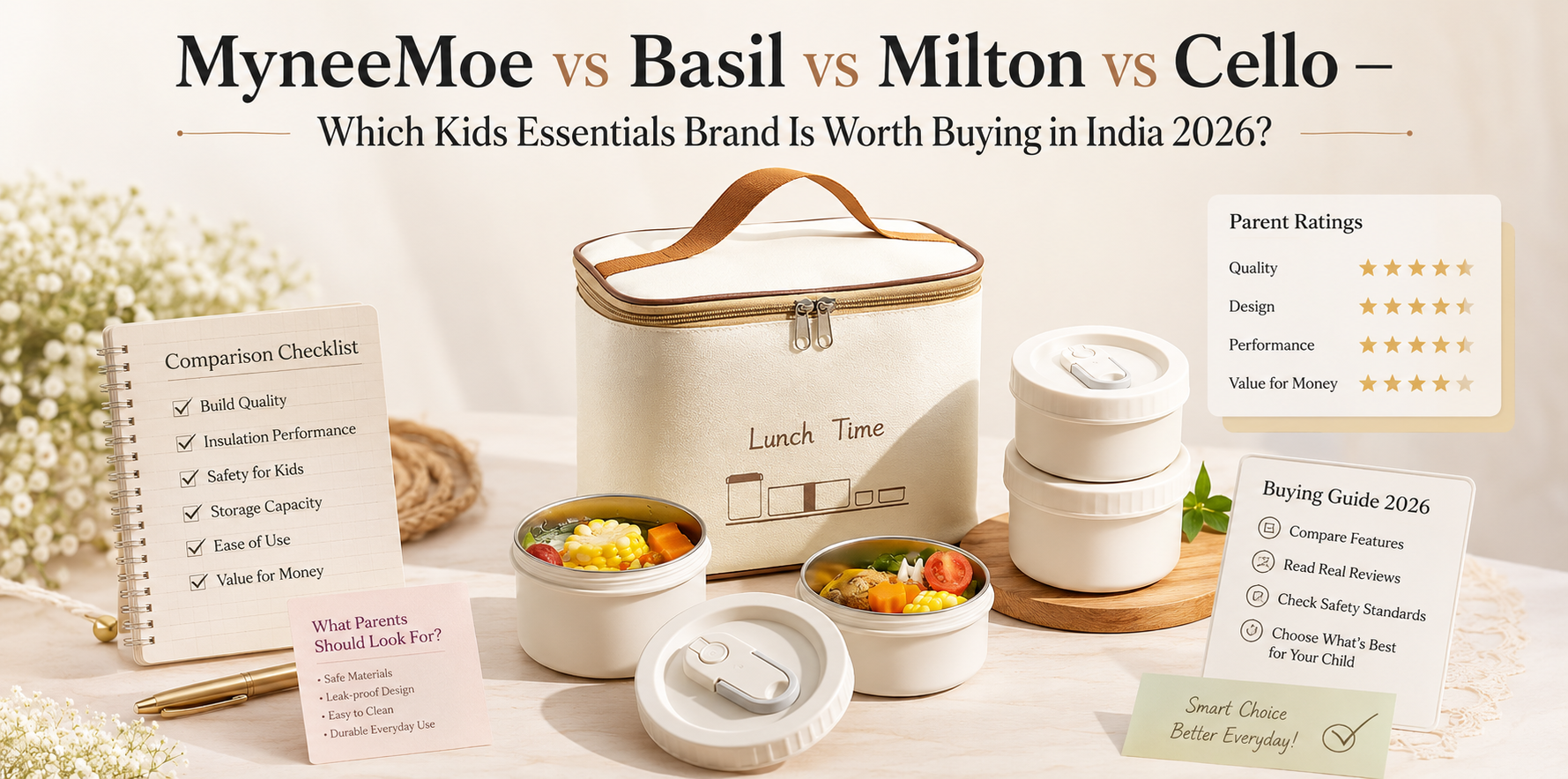
Every Bag Your Child Needs From Nursery to Class 12: Complete Age-by-Age Guide
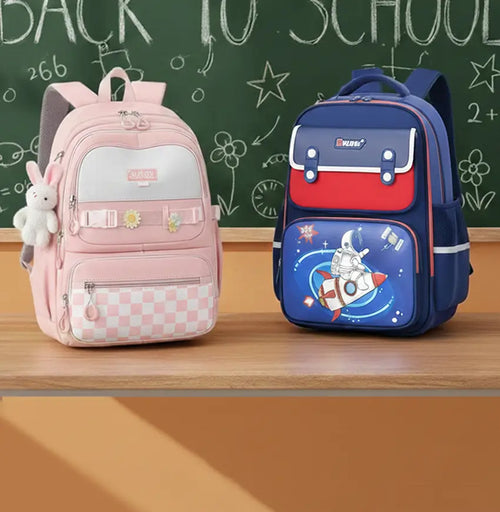
Back to School

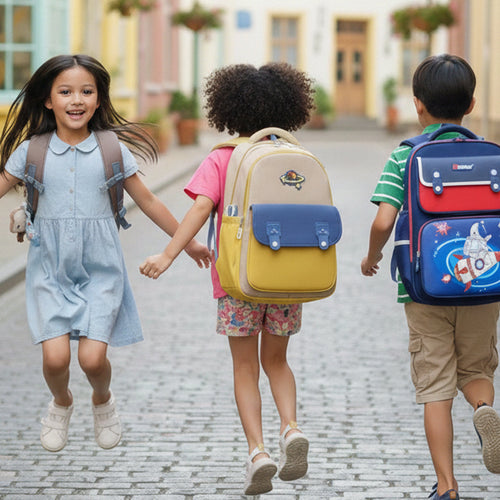
Every Bag Your Child Needs From Nursery to Class 12: Complete Age-by-Age Guide

Wrong school bag = back problems, broken zippers and a child who refuses to wear it. Here's how to choose the right school bag for every age from Nursery to Class 12.

READ MORE
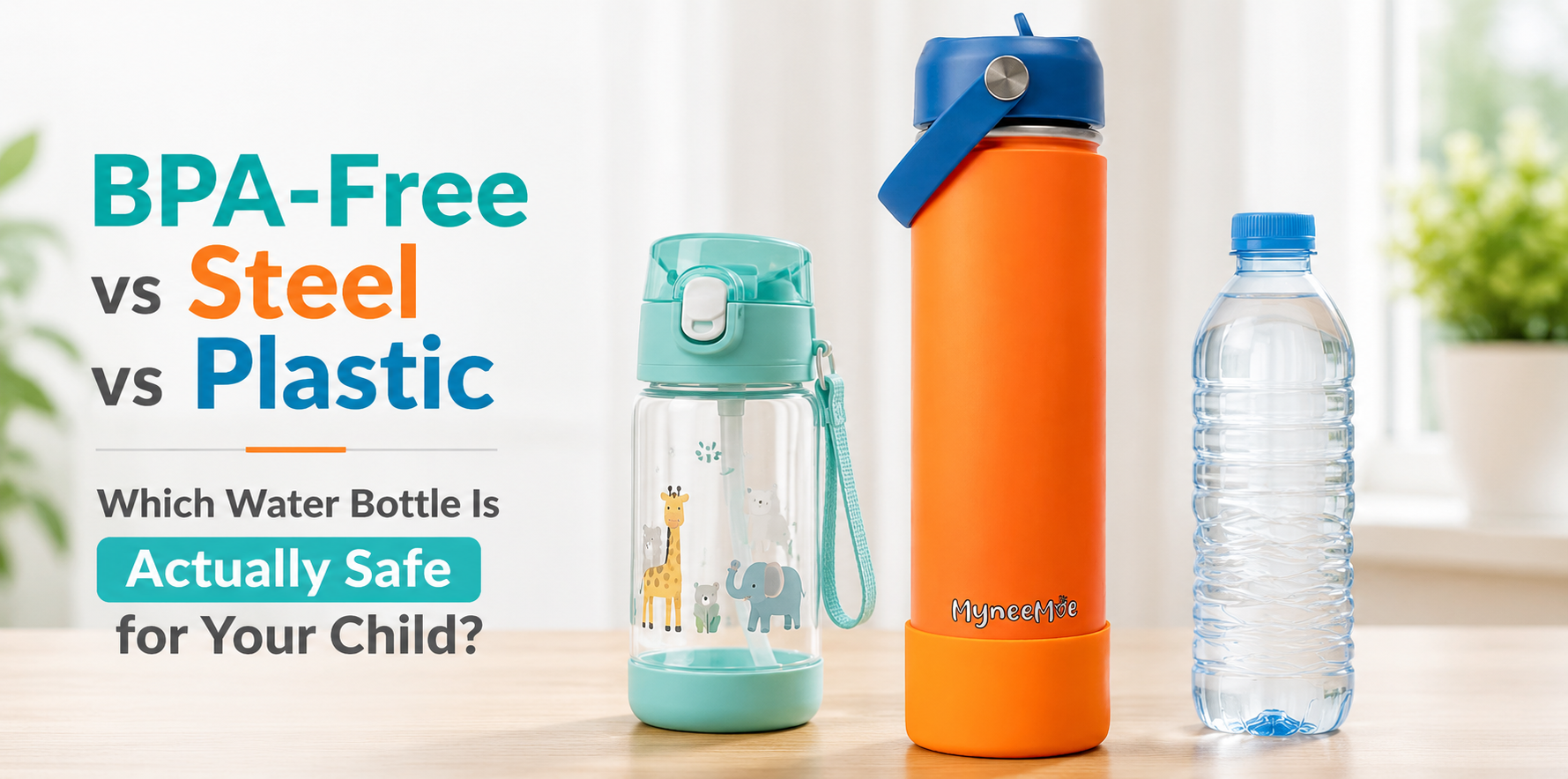
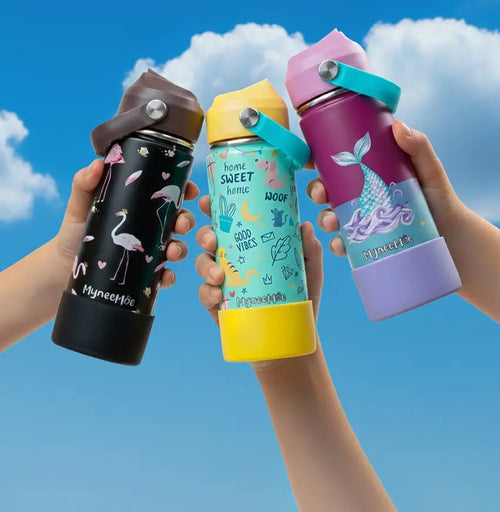
BPA-Free vs Steel vs Plastic: Which Water Bottle Is Actually Safe for Your Child?
BPA Free Water Bottle

BPA-Free vs Steel vs Plastic: Which Water Bottle Is Actually Safe for Your Child?

BPA-free, steel or regular plastic — which water bottle is actually safe for your child? Here's a clear comparison of all three materials to help Indian parents buy right.

READ MORE
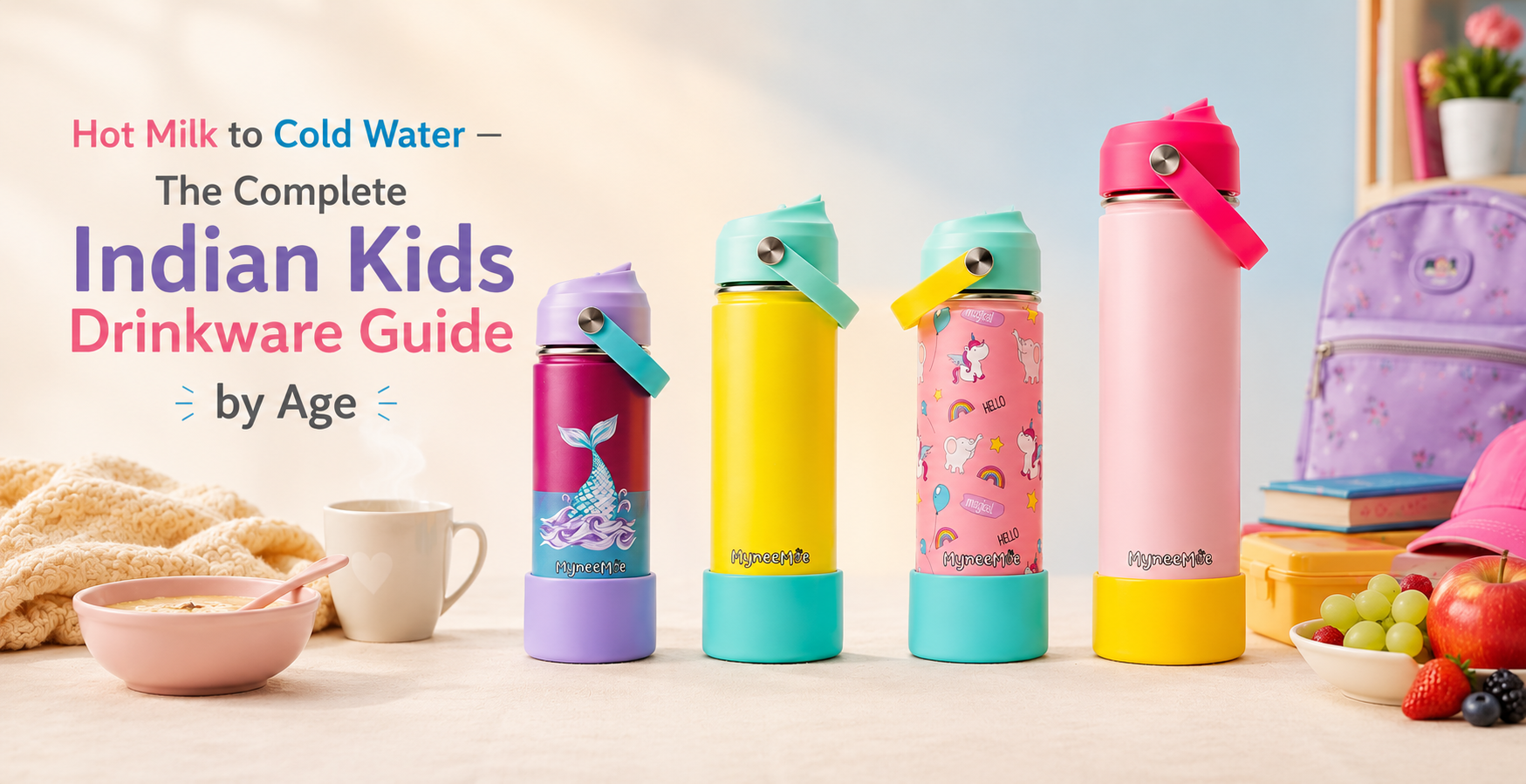
Hot Milk to Cold Water: The Complete Indian Kids Drinkware Guide by Age
Baby Feeding Bottle

Hot Milk to Cold Water: The Complete Indian Kids Drinkware Guide by Age

Not all kids drink the same way. From feeding bottles at 0-1 to thermos flasks at 10-14, here's how to choose the right drinkware for your child's age — safely and practically.

READ MORE
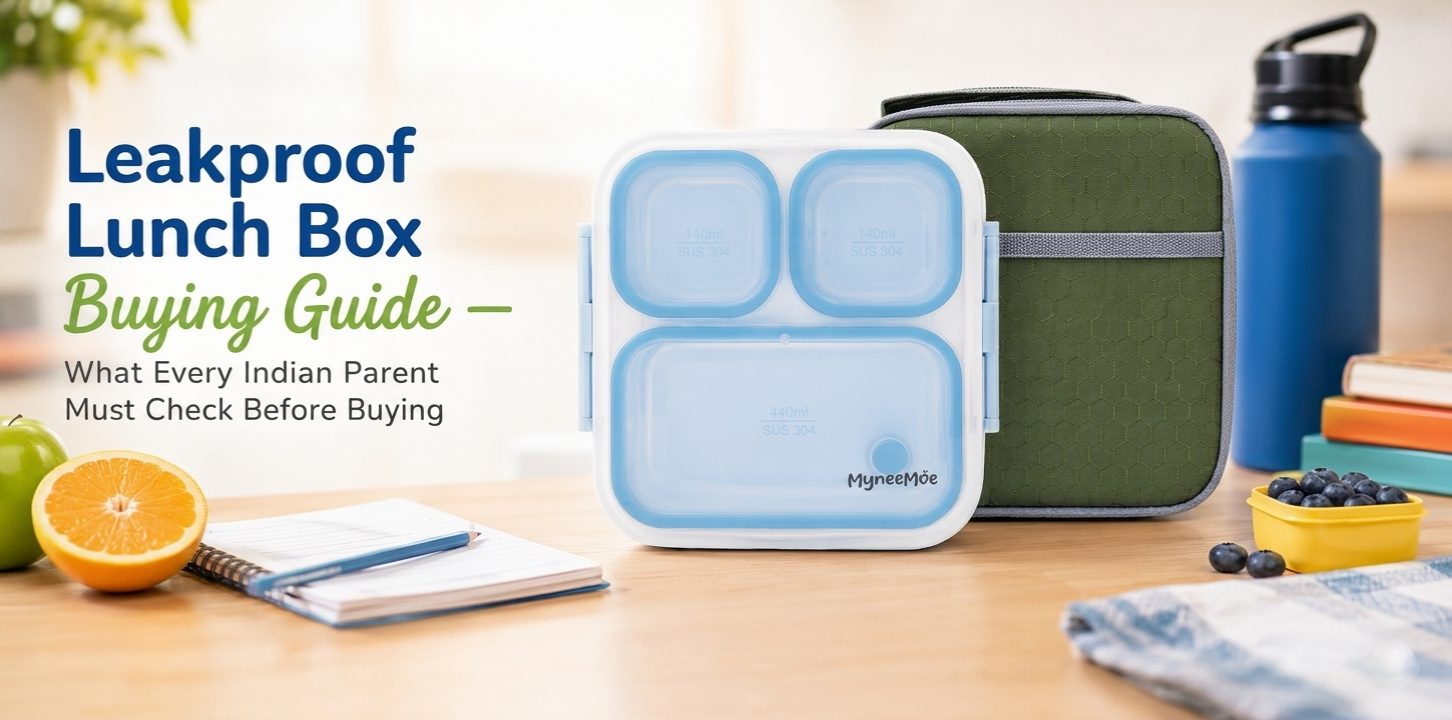
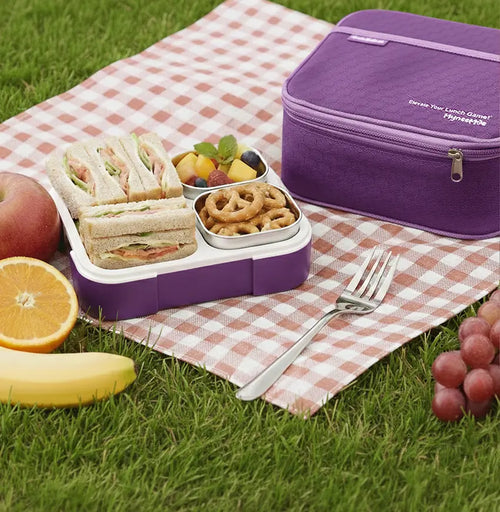
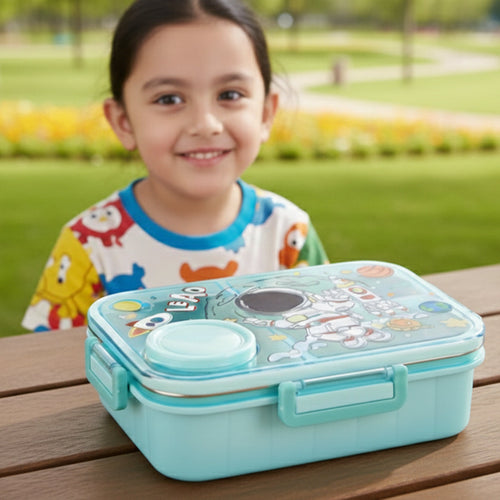
Leakproof Lunch Box Buying Guide: What Every Indian Parent Must Check Before Buying
BPA Free Lunch Box

Leakproof Lunch Box Buying Guide: What Every Indian Parent Must Check Before Buying

Most parents buy a lunch box based on looks and discover the leak problem after first use. Here's how to choose a genuinely leakproof lunch box — seal, material, compartments and size.

READ MORE
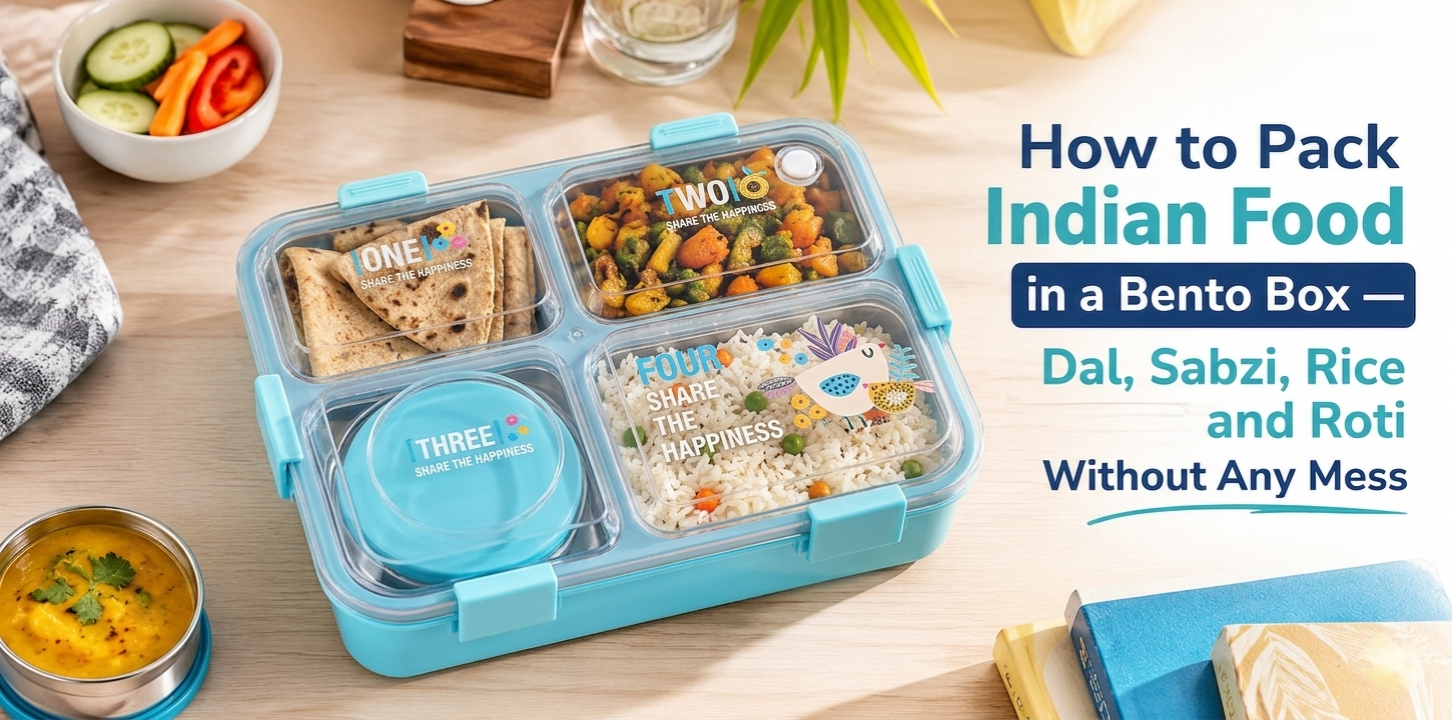
How to Pack Indian Food in a Bento Box: Dal, Sabzi, Rice and Roti Without Any Mess
Bento Box

How to Pack Indian Food in a Bento Box: Dal, Sabzi, Rice and Roti Without Any Mess

Packing dal, roti, sabzi and rice for school without leaks or soggy rotis? Here's how to choose and pack the right bento box for Indian meals — compartment by compartment.

READ MORE
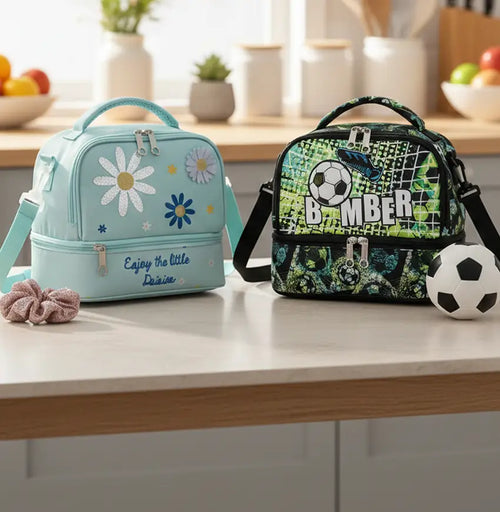
The Complete Indian School Lunch Kit: Lunch Box, Lunch Bag & Cutlery That Work Together
Back to School

The Complete Indian School Lunch Kit: Lunch Box, Lunch Bag & Cutlery That Work Together

Building the right school lunch kit isn't just about the box. Here's how to choose a kids lunch box, insulated bag and cutlery set that work together.

READ MORE
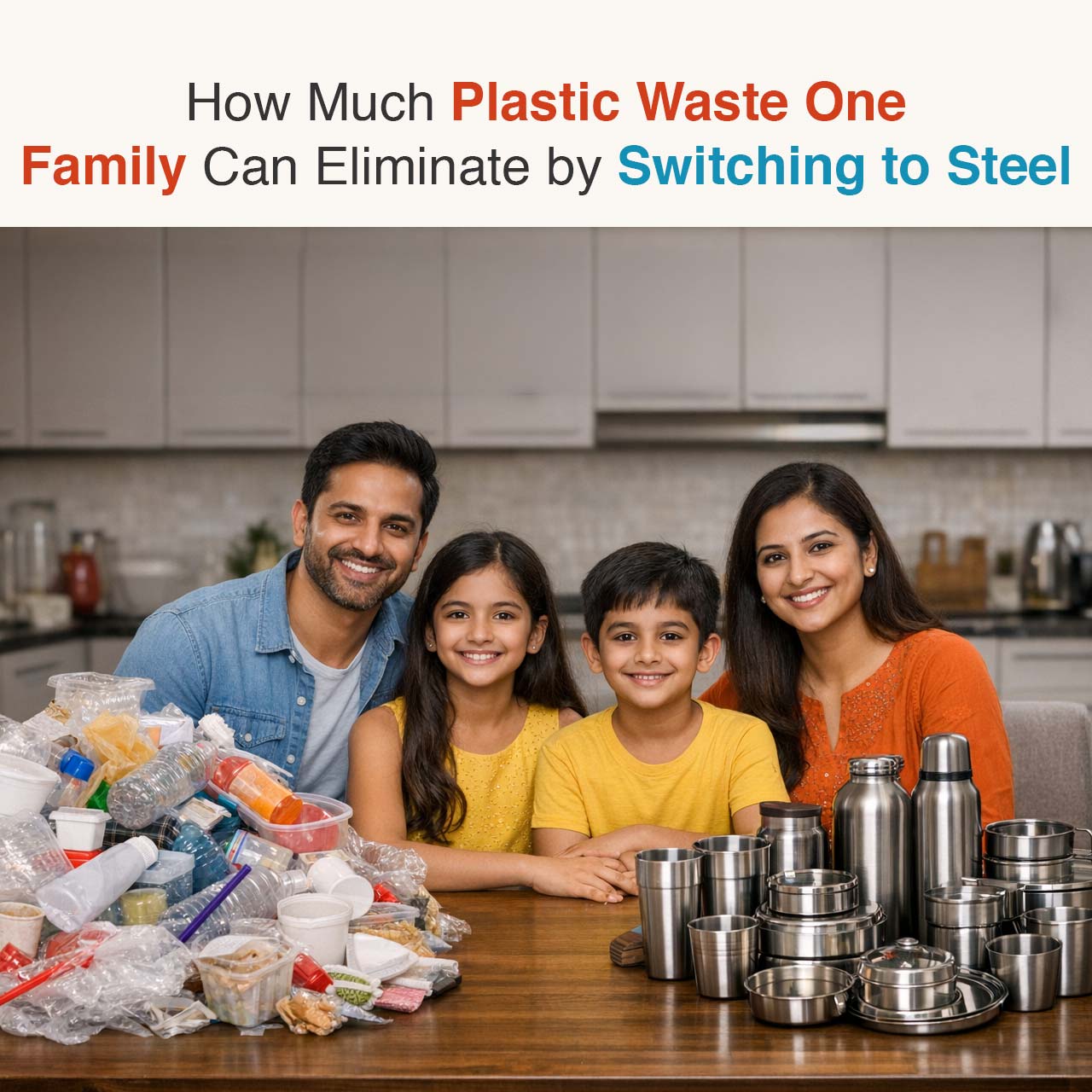
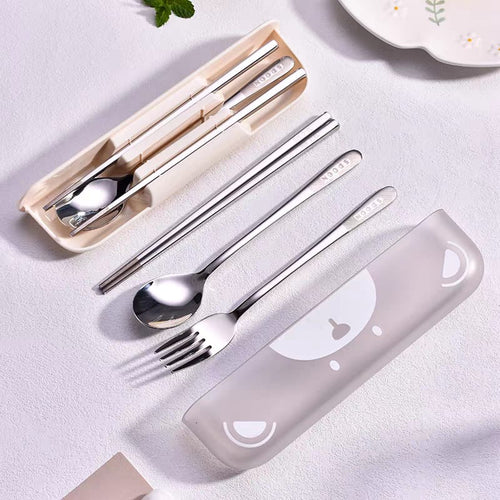
How Much Plastic Waste One Family Can Eliminate by Switching to Steel

How Much Plastic Waste One Family Can Eliminate by Switching to Steel

Take a look at your own kitchen for a second. How many plastic utensils are currently hiding in that one messy drawer in your kitchen? A few plastic spatulas, some old forks, maybe a cracked spoon or two? And then think of all of the meals, birthday parties, and rushed weeknight dinners that we go through in a year.  A staggering amount of plastic cutlery gets thrown away without people even realizing it. But here’s the good news: making the switch to stainless steel is one of the easiest changes you can make. And the effects of making this switch are far greater than most people realize. The Plastic Problem Hiding in Plain Sight Most people are unaware of how much plastic they use until they start counting. It's not just plastics in bottles or bags; it's also the kitchen items made of plastic that people use in their daily lives. Reality Check: A family of four generates around 540 disposable cutlery items per year. This includes cutlery used for packed lunches, takeout dinners, and office birthday celebrations. This also includes plastic ware utensils, which are thrown away after they break. This number increases when we consider plastics that are thrown away after they are used twice because they broke once. Unlike a plastic bottle, most of these plastics are not recyclable because they are too small, too dirty, or are made of the wrong kind of plastic. What Does That Look Like in Numbers? Let's take an example of an average family of four for a year: Approximately 540 units of cutlery from takeout food and packed lunches 2-3 sets of broken budget plastic cutlery sets every year Dozens of plastic cutlery, like plastic stirrers, plastic serving spoons, plastic tasting forks Approximately 1.5 to 2 kg of plastic cutlery waste every year for every family It's a lot of plastic for something you only have to buy once. Why Families Keep Buying Plastic (And Why That Has to Change) It’s not laziness, it’s a habit. Plastic kitchen items are cheap, easily accessible, and designed to be thrown away. That’s the problem. We’ve all been there. We pick up a set of plastic forks for our picnic. A few break, a few get lost, and the rest get chucked in the bin. No harm done, we think. But no harm done adds up to a lot of harm done. The Real Cost of 'Cheap' Here’s the truth about cheap plastic’s cost to you and your household each year: Money: Replacing cheap sets 2-3 times a year costs you far more than one good quality steel set Space: Old, broken plastic clogs up your kitchen drawers and utility rooms Health: Old, scratched plastic can leach toxins into hot food Planet: Broken plastic clogs up our landfills for up to 400 years Steel, on the other hand, can last you decades. A good set of stainless steel cutlery can last you and your household 10, 15, even 20+ years. That’s not a purchase, that’s an investment. How Much Waste Can One Family Actually Eliminate? This is where it gets really interesting. When you think about changing just one family’s use of plastic ware utensils to stainless steel utensils, the waste reduction can be staggering, and the numbers are impressive. In just over 10 years, a family of four can prevent: 5,000+ pieces of disposable plastic cutlery from entering the waste stream 20-30 plastic utensil sets (spatulas, ladles, serving spoons) 15-20 kilograms of plastic waste, just from the kitchen Hundreds of individual plastic items that would otherwise end up in a landfill But then think about what happens when you multiply that by an entire neighborhood, city, or country. Steel vs Plastic: A Side-by-Side Snapshot Still undecided? Let's have a brief comparison: Lifespan:  Plastic: 6–18 months  Steel: 10–20+ years Waste Plastic: non-recyclable, ends up in landfill Steel: 100% recyclable Safety Plastic: can leach chemicals  Steel: food-safe, non-toxic Cost over time Plastic: more expensive Steel: one-time investment Appearance Plastic: fades and stains  Steel: stays sleek and clean Making the Switch: It's Easier Than You Think You don’t have to change everything at once. Replacing plastic kitchen items with steel products is a process. It is a step-by-step change. But the results are significant.  Start with the essentials. A stainless steel cutlery set is the basic requirement. Then you can move on to the rest of the cutlery.  Simple Swaps to Start With A list of changes you can make to your daily life is as follows: Change the cutlery set you pack into your kids’ lunchboxes to a compact cutlery set made of steel Swap plastic utensils you use from the kitchen for steel cutlery Change the plastic spatula, ladle, tongs, and serving spoons you use to steel cutlery Carry a cutlery pouch made of steel when you go out to eat. No plastic cutlery! Invest in a quality stainless steel cutlery set for home dinners. These are not drastic changes. But the results are staggering. It is like compound interest. Small changes add up to enormous results. Conclusion One of the simplest, most effective changes you can make as a family is to ditch plastic cutlery and plastic ware utensils in favor of steel. The savings are very real, and they begin in your own kitchen drawer.  If you’re ready to make the switch, MyneeMoe has you covered with a fantastic collection of cutlery sets that are beautifully designed, well-made, and designed for families who believe in doing things right. FAQs 1. Isn't it too inconvenient to carry reusable steel cutlery instead of using disposable cutlery when eating out? Not really, and this is one of the most common myths associated with making this change. Most compact steel cutlery sets are very slim and light, and they come in a pouch. These can easily be carried in your handbag, lunchbox, or office bag without any hassle.  Yes, they will need to be washed after this. But this will only take 30 seconds. How does this compare to the guilt of adding more disposable cutlery to landfills, waste that will outlast you by centuries in the ground? Once this becomes a habit, it feels as natural as carrying your phone. 2. Aren't plastic utensils just as safe as steel ones for everyday cooking? It is a question well worth asking. The short answer is: no, not always.  Plastic utensils are often made from plastics that break down over time. Scratched plastic cutlery may even leach trace amounts of chemicals directly into your food.  Something stainless steel does not do. Stainless steel is non-porous, non-toxic, and food-safe at all temperatures. It does not warp when placed near a hot pan, nor does it shatter from heavy use.  If you are cooking for kids, especially, the 'safe enough' threshold for plastic cutlery is much lower than you might think.  3. Can't I just recycle plastic cutlery instead of switching to steel? It is a reasonable suggestion, but in reality, it is far more difficult than it seems. Most councils do not accept plastic cutlery in their recycling plants. It is too small for machines to sort correctly, and it is also too dirty with food residue to be recycled.  The sad fact is that the vast majority of plastic cutlery ends up in landfill sites and is burnt. It is a shame that recycling plastic cutlery is not always a viable option. It is far more effective to change to stainless steel, which solves the problem entirely.  4. Aren't plastic ware utensils cheaper and more practical for large family gatherings? They look cheaper in the first place, but let's look at the overall picture. A set of plastic ware untensils for a party or a gathering of friends will cost a few pounds or dollars. But add all the birthdays, barbecues, and get-togethers we have in a year, and it adds up. A good set of stainless steel serving pieces will cost the same and last for decades.  For large gatherings, steel serving spoons, tongs, and salad servers are reusable, dishwasher-friendly, and look a thousand times better on a table. The argument for plastic being 'practical' always falls apart when one does the math. Short-term thinking makes plastic look like the logical option. Long-term thinking paints a completely different picture.  5. Isn't replacing all kitchen items plastic with steel too expensive to do all at once? Of course, no one is proposing that you change your entire kitchen drawer in one night. Replacing kitchen items made of plastic with steel is a gradual process, and it is probably the smartest way to do it. Begin by changing your everyday set of cutlery. Then, as plastic kitchen items become damaged and need to be replaced, replace them with steel kitchenware. A spatula here, a serving spoon there.  After 12-18 months, your kitchen will have made this change without you spending a ton of money in one place. The only change in thinking is from "replacing cheap things often" to "buying quality things once." Steel is more expensive per item, but you only buy it once.

READ MORE
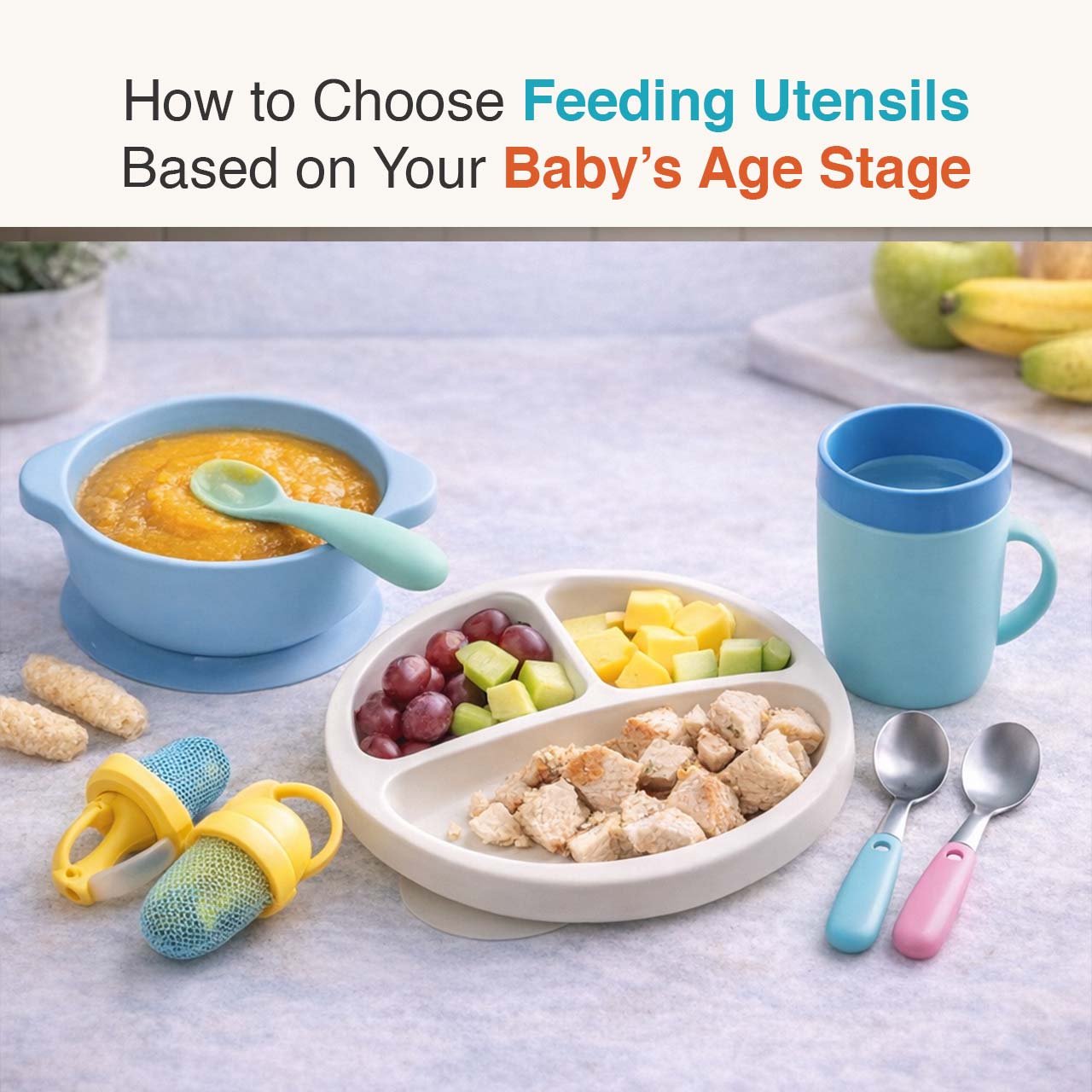
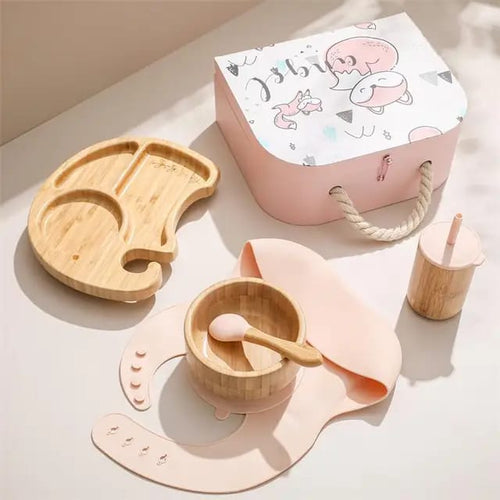
How to Choose Feeding Utensils Based on Your Baby's Age Stage

How to Choose Feeding Utensils Based on Your Baby's Age Stage

Choosing the best infant feeding utensils is not as easy as grabbing the most adorable baby spoon at the store. Every stage in the life of your child is a unique experience in itself. Using the wrong infant feeding utensils at the wrong time can turn mealtime into a frustrating experience for your child and you.  In this article, we will guide you through selecting infant feeding utensils suitable for your child at various stages of their life, making mealtime a happier experience. Why the Right Feeding Utensils Actually Matter The thing is: babies grow and change really, really fast. Their motor skills, oral development, and ability to feed themselves all change significantly between 0 and 12 months.  Using infant utensils for your little one can help them grow and thrive. It can help prevent choking. And let's be honest: it can make mealtime a little less messy (okay, a little less messy). It's also a great way to give your little one confidence while eating. When a utensil is designed for a baby's hands and mouth, they'll be more likely to feed themselves. And that's a win for everyone. Stage-by-Stage Guide to Baby Feeding Utensils Stage 1: Newborn to 4 Months Your baby is still sucking crazy at this stage. Your baby is not ready for spoons and solids at all. The best tools you need are: Newborn baby bottle nipples made of soft silicone material Medicine droppers or syringes, depending on your needs, for a liquid supplement Silicone finger feeder, in case you need an alternative nursing option Simple is best. Your baby doesn’t need much at this stage, just something soft and safe for their sensitive gums. Stage 2: 4 to 6 Months Between 4 and 6 months, your pediatrician may give the green light for you to start solids. And this is where infant feeding utensils come into play. What to look for: Soft-tipped silicone spoons, shallow bowls, and ultra-soft material Short handles that are easy for parents to grip and control No sharp edges ever You're in charge of the feeding process at this time. Your child is still learning what a spoon is. So, it's time to make it comfortable for their little mouth. A pro tip? Try warming the spoon a bit before feeding your child. It makes the experience less surprising for your child. Stage 3: 6 to 9 Months Now things get exciting! Your baby will be sitting up with support, showing genuine interest in food, and their hands will be exploring everything. The best feeding utensils for this stage are: Chubby-handle spoons, as they are easy for the baby to grasp Segmented plates with suction bottoms, as they will not become frisbees in the process Open cups with wide bottoms, as they will be practicing sipping Soft silicone bibs with food-catching pockets, trust us on this one! At this stage, from 6 to 9 months, your child will want to be involved in feeding. You can give them a spoon to play with while you feed them with another one. This will keep them engaged, but it will not be as chaotic as feeding them themselves. Stage 4: 9 to 12 Months And this is where the fun, and the mess, really begins. Your baby is learning to use the pincer grasp. This is where they can pick up small amounts of food with their thumb and finger. And they really want to feed themselves. Choose utensils for independent feeding: Short, thick-handled spoons with a curved neck help keep the food on the spoon longer A fork with rounded, blunt tines, yes, babies can start using forks! Suction bowls, otherwise, lunch will be on the floor A 360° sippy cup, it will work no matter which way the baby turns it The best infant feeding utensils are the ones that can be used for self-feeding. Look for sets that include a spoon and a fork designed for little hands. Stage 5: 12 to 18 Months When your little one reaches their first birthday, they're basically a pro at eating. Well, kind of. They're still messy, but they're learning! What works best at this age: Weighted spoons, the added base makes it easier to scoop without spilling Pre-loaded spoon sets are perfect for learning proper grip and hold Open cups, start to phase out the sippy lid gradually Divided plates, kids this age are super opinionated about food touching each other The idea at this stage is not to master anything; it's to develop a habit. Allowing them to learn with the proper infant feeding utensils will help create muscle memory. Stage 6: 18 Months and Beyond For the past 18 months, your toddler has been in full "I do it myself!" mode. Well, good for them, because they are finished with you helping them do anything. Upgrade to: Metal or bamboo spoons in toddler size Training chopsticks (some kids love them at this age!) Regular cups with very little liquid Toddler forks with slightly longer handles Keep encouraging them to do it themselves, and mealtime confidence at this age lasts forever! Conclusion The choice of the right feeding utensils at the right time is all about convenience, supporting your child's development, safety, and building your child's confidence during meals. That first soft spoon, the bold fork of the toddler, all of these utensils play a vital role. Well, if you are looking for a trusted source that brings all of these together in one place, then MyneeMoe has you covered. They have a great range of well-thought-out baby feeding sets, as every child deserves the right tools for the table. FAQs 1. What are infant utensils, and why are they important? Infant utensils are special feeding utensils designed for infants. These include spoons, bowls, and cups. These utensils are necessary for infants because they provide a safe feeding option, help the infant develop the mouth, and ease the transition to self-feeding. 2. Are infant feeding utensils really necessary for babies? Infant feeding utensils are necessary. This is because they are designed for infants and are safe for them. Adult utensils are not safe for infants. Adult utensils may be difficult for infants to use. 3. What makes the best infant feeding utensils for daily use? The best infant feeding utensils are those that are safe for the infant and the parent. These include utensils made of BPA-free materials, with soft tips, and easy to clean. 4. Can’t I just use regular spoons instead of infant utensils? It is not recommended for infants to use regular spoons. This is because the spoons may be hard, large, and made of unsafe materials. These may hurt the baby's gums and make it difficult for the infant to feed. 5. What types of feeding utensils are needed for infants? Infant utensils include soft-tip spoons, suction bowls, spill-proof cups, and training forks.

READ MORE
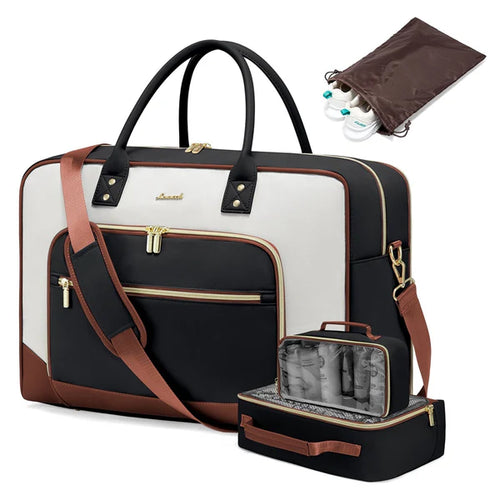
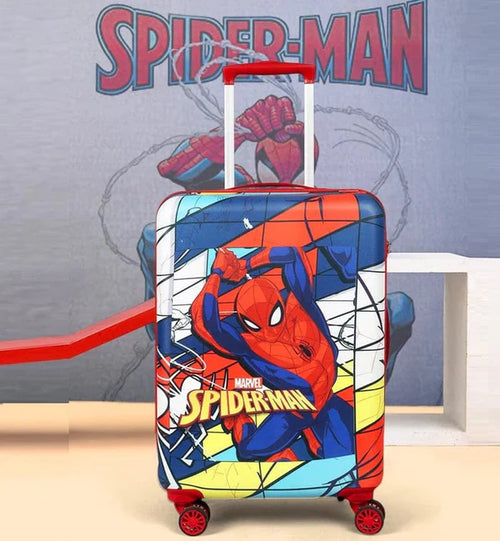
Hard Case vs Soft Case Kids Suitcases: Which Survives Indian Travel?

Hard Case vs Soft Case Kids Suitcases: Which Survives Indian Travel?

Packing for a trip with kids is already a task. Add to this the chaotic airports of India, the crowded trains, and the bumpy bus rides. Your choice of luggage for your child is important. Indian travel is harsh on luggage. Luggage is thrown around, stacked up, pulled along, and even rained on. So, when choosing luggage for your child, it's not just about the design and how cool it looks. It's about choosing between a hard shell suitcase and a soft suitcase. What Makes Indian Travel So Tough on Luggage? Let's set the scene before we compare, shall we? Indian travel has a distinct character. Railway platforms with bags being thrown into racks above the seats Auto rickshaws with bags placed on your lap or strapped to the side Monsoon season with unexpected rain showers Overzealous baggage handlers at airports Cramped bus rides with bags stowed under the seat It's not Paris, folks! Your child's bag needs to be sturdy to survive all this drama! Hard Case Kids Suitcases A hard case suitcase is exactly what the name suggests. It is a case made of a hard material, most likely ABS plastic or polycarbonate. It is a little fortress for your kid's belongings. Why Kids Love Hard Cases Kids are rough on things. A hard suitcase will never change shape. It will never sag, never collapse, and will never bend. It will just keep on keeping on. Waterproof by nature: Perfect for monsoon season travel. Scratch-resistant: It will look decent after a chaotic airport. Stackable: Airports will love this, and so will you. Easy to clean: Wipe it down, and it's as good as new. Where Hard Case Luggage Shines in India Hard case luggage is a winner if you're flying. Airports are the places where your luggage is treated the worst. A hard case shell will protect fragile items, such as medicine, snacks, and the one toy your child absolutely can't live without. It's also great if you're taking a train. If you're stacking your bags in the overhead rack, a hard case suitcase will keep everything inside the bag intact. Nothing gets squished. The Flip Side Hard cases do have some disadvantages: They're heavier than soft cases, so this will add to the overall weight of your luggage. They're inflexible, so you can't stuff an extra sweater in at the last minute. They're noisier, so if you're travelling on cobblestone streets, it sounds like an earthquake. Soft Case Kids Suitcases A soft shell suitcase is made of fabric, typically nylon or polyester. It is lighter in weight, squishier in feel, and more useful than one might initially think. Why Soft Cases Work for Families A soft shell suit case is flexible. That is its power. Family travel in India is all about that classic "one more thing" situation, and we end up carrying more on the return trip than we started with. Expandable compartments for more space when needed Lighter weight, ideal for cabin luggage Easy to fit into tight spaces such as overhead racks and auto dikkis Multiple compartments for easy access to snacks and documents The Soft Cabin Bag Advantage For a short trip within the country, a soft cabin bag is your best bet. It's light enough for the kids to push on a trolley. It fits under a plane seat. And it's not like hauling a boulder on the way to the airport. A cabin suitcase soft option is also great for hill station trips, where you'll be jumping between guest houses. It can be squished into smaller storage spaces. Where Soft Cases Fall Short Not waterproof, an unexpected Mumbai rain shower can ruin the contents Prone to snags and tears over time Not as protective for delicate items Fabric stains easily (say goodbye to the mango juice accident) Which One Wins for Indian Travel? Feature Hard Shell Soft Shell Waterproofing Excellent Average Weight Heavier Lighter Flexibility Rigid Expandable Durability Very High Moderate Best For Flights & Trains Road Trips & Short Stays Kid-Friendly Yes Yes So, Which Should You Choose? The honest answer is: it depends on how you travel. Consider using a hard case suitcase for: Flying frequently within India Your child carries fragile and/or important items Travelling during the monsoon season Wish to own something for years to come without looking like it was put through a war Consider using a soft suitcase for: Planning short weekend getaways Your child needs to carry their own luggage independently Wish to travel light and flexible Road trips are your thing And honestly? Many Indian families end up owning both! A hard case luggage piece for checking in flights and a soft cabin bag for cabin flights and/or road trips. Genius, right? Conclusion Indian travel requires luggage that is rugged, smart, and functional. Whether you prefer a hard shell suitcase or a soft-shell suitcase, you should pick the one that suits your travel personality. Whichever you pick, both are going to get their moment to shine in this beautiful, chaotic, and wonderful country. While you are getting ready for your next adventure, do not forget another essential item for your packing list: a wonderful lunch box for your little ones! MyneeMoe offers a range of kids' lunch boxes, water bottles, backpacks, and more products that are just as travel-friendly as your luggage. Because everyone loves products that make their travel more convenient! FAQs 1. Is a hard shell suitcase better than a soft suitcase for travel? A hard shell suitcase protects your fragile items and is water-resistant. On the other hand, a soft shell suitcase offers more flexibility, pockets and is easy to fit into tight spaces. 2. Can a hard suitcase crack or break easily during flights? Hard shell suitcases are of the highest quality and are made of either polycarbonate or ABS, making them strong and durable even in rough handling. While low-quality suitcases may break easily, hard case luggage is impact-resistant and durable. 3. Isn’t a hard case suitcase too rigid for flexible packing? Yes, a hard shell suitcase is less flexible than a soft shell suitcase. You cannot overstuff your things in a hard shell suitcase, but it is useful in keeping your things organised. 4. Is a soft shell suitcase less durable than a hard shell suitcase? A soft shell suitcase is durable but may deteriorate more quickly in outdoor conditions. It is more prone to cuts and tears, but a hard shell suitcase is resistant to external elements. 5. Can a soft suitcase protect fragile items effectively? A soft shell suitcase provides less protection than a hard shell suitcase for your fragile items. If you are carrying fragile items in your suitcase, a hard shell suitcase is the best option.

READ MORE
How to Choose the Right Backpack Volume for Your Use

How to Choose the Right Backpack Volume for Your Use

You might think it’s no big deal. Grab a backpack, throw your stuff inside, and you’re good to go. But if the backpack is too small, you’ll spend every morning playing Tetris. And if the backpack is too big, you’ll spend all day carrying around space on your back.  The truth is, backpack capacity is more important than you might realise. It’s actually pretty simple: if you get the right backpack, it’ll be your best friend. But if you don’t, it’ll literally be a pain. Let’s break it all down. Why Backpack Volume Even Matters It is measured in litres. It's like how much "space" you have inside your bag. A 10L bag is like having a lunchbox with straps. A 70L bag is like having a moving box on your back. The right size for you depends on three things: What you carry: books, laptops, gym, or any camping gear? How long will you be out: hours or weeks? How you carry: overpacker or minimalist? Finding this balance changes everything. Backpack Volume Ranges: A Quick Breakdown Under 20 Litres  These are your day packs. These are lightweight, compact, and an ideal pick for short trips and light loads. Think about city walks, school runs, or errands. Best for: Kids or students who need to carry fewer items Day hikes on familiar trails Commuters who travel light These packs won’t work if you carry a laptop, water bottle, and extra clothes all at the same time. The room runs out very quickly. 20–35 Litres This is the sweet spot where most people will fall. A 25-30L pack has plenty of space for a laptop, charger, lunch, water, and a jacket. It's spacious without being cumbersome. Best for: Daily college or office commute Carrying multiple books to school on full days Weekend excursions, light hikes If you're unsure of what size to begin with, we recommend starting here. It's a good all-around option. 35–50 Litres Now we're getting into high capacity backpacks. These are designed for people who carry a lot or carry for a long time. Best for: Full day or long overnight hikes  Travel with a carry-on style bag For the ones who carry work gear, snacks, or gymwear in one The extra room is wonderful, but it also means extra weight if you're not careful. These backpacks work best for people who are good at packing. 50 Litres and Above  This is the realm of the true large capacity backpack. We're talking multi-day backpacking trips, camping excursions, and travelling far beyond the weekend escape. Best For: Backpacking 3-7+ days Outdoor expeditions with sleeping bags and tents Long-haul travellers carrying zero checked baggage One thing to note: size is not always comfort. A 65L backpack, even if packed incorrectly, can be a recipe for a sore back in short order. Be sure to check for padded straps, a hip belt, and a back panel with some sort of ventilation when going this large. How to Match Volume to Your Use Case Here's an easy way to understand it: Use Case Recommended Volume Quick errands/kids Under 20L Daily commute/school 20–30L Full workday + gym 30–40L Day hikes/travel 35–50L Camping / long trips 50L+ Still unsure? Pack all the things you normally carry onto your bed, measure them, then add a small buffer to that measurement. That’s your ideal size. Conclusion It's not rocket science to choose the backpack's volume, though it does require a moment of contemplation. Be aware of your load, and choose a backpack based on it. A proper backpack will only enhance your outings.  And hey, if you're also thinking about how you carry your lunch, you should totally check out MyneeMoe. They have an awesome range of backpacks that will meet your requirements. FAQs Q1. Is a high capacity backpack really worth it for daily commuting? Not really for most people. A high-capacity backpack is meant for travelling or trekking and is not suitable for daily use. It might even feel bulky and unnecessary for daily commuting. You may carry unnecessary weight. A 20L to 30L backpack is more suitable. It is comfortable and does not restrict movement. Q2. Does backpack capacity affect comfort and posture? Yes, a lot. The backpack capacity is important as it helps distribute the weight evenly across your shoulders and back. A backpack that is too large might shift the weight and cause discomfort. A backpack that is too small might cause discomfort if it is overpacked. A backpack can help you maintain good posture and minimise strain on your spine. Q3. Can't I just use a large capacity backpack for everything like travel, hiking, and daily use? You can, but it is not the best choice. A large capacity backpack is a great choice when you are travelling or need one for a short trip, but it may be considered too big for daily use. It may be considered bulkier and heavier, and the organisation may be a problem. It is always best to choose a backpack that suits your needs. Q4. Is there a standard backpack capacity that works for most people? Yes, 20L-30L is considered the best size range for everyday use. This is the most suitable size range for a backpack intended for students, office workers, and commuters. Q5. Isn't a large capacity backpack too heavy even before you pack anything into it? Not necessarily, as a high-quality large-capacity backpack is made of lightweight materials. Therefore, it should not be heavy when it is empty. However, it may be heavy when it is full and not packed smartly.

READ MORE
How to Choose the Right Lunch Box Capacity for Office vs School

How to Choose the Right Lunch Box Capacity for Office vs School

Selecting a lunch box is a basic decision. However, selecting the wrong size leads to either starving at lunchtime or lugging around a heavy bag that weighs more than your laptop. The fact is, the lunch box capacity does not remain constant. It varies depending on who is using it, what they put in it, and where they are going. This applies to anyone who is a working professional, a mother, or even you, a student. We are going to break this down in a manner that makes real sense. Why Lunch Box Capacity Actually Matters A question you might ask yourself is: Have you ever opened your lunch box and found everything squished together in a soggy mess? Yeah, that's a capacity problem. The selection of the optimal lunch box capacity is about keeping the food fresh, organized, and even enjoyable to eat. The problem is that a lunch box is either too small, so you're skimping on the food, or too big. So the food gets squished and does not retain its form. A good analogy is buying a pair of shoes. The right size is just comfortable; the wrong size is a painful day. What Factors Determine the Right Capacity? Before we dive into the numbers, here are the basics to think about: Who is it for? A kid vs. an adult requires very different amounts of food. How long are we waiting for the next meal? Office workers may need a snack. School kids may not. What kind of food are we packing? Large items like wraps and fruit will take up much more space than smaller meals. How many containers will we need? The more compartments we need, the more space we will need. It really makes things easier once you consider all these things. Lunch Box Capacity for Office Use Office life has its own rhythm when it comes to lunch. Most adults need a full meal and maybe one or two snacks to get through the whole workday. That means your lunchbox needs more than enough room for your sandwich.  How Much Capacity Do Office Workers Need? For most adults, having a large capacity lunch box that is between 8 and 15 litres is the way to go. This means that you have room for: A full meal (such as a salad, pasta dish, or rice box) A small snack container (such as a granola bar, fruit, or nuts) A small juice box or water bottle An ice pack to keep everything cool If you have prepped food for the whole day, such as breakfast, lunch, and snacks, then you need to go even bigger. A large capacity lunch box of 15+ litres is the way to go. What to Look for in an Office Lunch Bag In the office, there’s a need for something that’s professional-looking and smartly functional. Here’s what you should consider: The quality of the insulation keeps food at the right temperature for 4-6 hours The compartments keep dry snacks separate from wet meals Leakproof, no one wants curry sauce leaking out of their office bag! Carry style, tote handles, or a shoulder strap for the commuter crowd. A large capacity lunch bag with multiple pocket design is actually a sanity saver more than convenient. Lunch Box Capacity for School Use However, school lunch is a different ballgame altogether. The child needs enough food to keep them going and focused throughout the day. At the same time, it must also be easy to carry and use independently.  How Much Capacity Do Kids Need? For kids aged 5 to 10, a lunchbox of 3 to 5 litres is suitable. A lunchbox of this size is compact and can carry: A sandwich or a small tiffin A portion of fruit  A small drink bottle One snack item For older kids and teens aged 11 and above, it is better to opt for 5 to 8 litres. Yes, you read that right. A teen who plays sports after school may need a large capacity lunch box to carry food. What to Look for in a School Lunch Box Kids are hard on their stuff. The school lunch box must withstand backpacks, lockers, and occasional throws across the room. Consider: Tough and easy to clean, because accidents are inevitable Easy to open and close, because kids should not struggle with their food Colorful and engaging, because kids are more likely to eat well if they love their box Lightweight, because heavy boxes are just extra weight for kids to carry Juice-proof lining, because juice boxes are ubiquitous in elementary school classrooms Tips for Getting the Capacity Right  Still unsure? Follow these quick tips of thumb: Count your containers. Line up everything you want to pack. The box needs to comfortably hold everything. It shouldn't be like trying to play Tetris. You shouldn't get a small box thinking that you'll pack less. You probably won't. And cramped food is no way to enjoy your meals. How's your commute? The longer it is, the more important it is to have good insulation rather than to have a large capacity. Think about the season. Hot sunny days may mean ice packs, which can take up extra space in a large capacity lunch box. Conclusion Picking the ideal lunch box capacity doesn't necessarily have to be complex. Selecting according to the individual, meal, and lifestyle is already getting you 90% of the way there! Children require lighter, more compact boxes that are easier for them to carry independently. Working adults require smarter, more spacious options that keep meals fresh for long hours at work. Are you on the lookout for the ideal lunch box? MyneeMoe is here to help! Their well-thought-out range, from basic school boxes to large capacity lunch bags, offers you both style and functionality in a package that fits you just right! FAQs Isn't a small lunch box enough for an adult going to the office?  Not really. Most adults require more than just a meal in a workday. A small box can carry only one meal and does not provide space for snacks, drinks, or an ice pack. A large capacity lunch bag allows for a full, satisfying meal without compromise. Can't kids just use any lunch box regardless of size?  They technically can, but it also raises issues. If it is too big, it is heavy and difficult for small hands to carry. If it is too small, you are forced to compromise on meals and variety. The ideal child’s lunch box capacity is based on their age and ability to carry it comfortably. Is a large capacity lunch box too bulky to carry around daily?  Not really, provided that it is designed properly. Today, large capacity lunch boxes are designed to be compact and carry more without being bulky. The size is more in perception than actuality. Do I really need a different lunch box for different seasons?  It's worth considering. In the summer, you'll also need space for ice packs inside your box, which reduces the space you have. Having a slightly large capacity lunch bag for the warmer months ensures you're not sacrificing the amount of food you have just to keep it cool. Isn't lunchbox capacity just marketing? Does it actually affect food quality?  Yes, it does. If you have a box that's too small, the containers can break, the lids can pop off, or the food can lose its shape. Having the right capacity ensures everything stays together, sealed, and fresh until you're ready to eat. It's a practical aspect of the product that directly relates to your experience.

READ MORE
One Bottle for Gym, Office & Travel: What Features Actually Matter?

One Bottle for Gym, Office & Travel: What Features Actually Matter?

Have you ever tried to carry three different bottles for three different destinations? One for the gym. One for your office. One for traveling. It’s a great idea, but it’s a pain in the neck. You left one somewhere. You misplaced one. Or, worse, they all look the same but perform differently. The thing is, you don’t need a bottle collection. You need the one that’s right for all occasions. Whether it’s a hot gym session, a series of meetings, or a mad dash to the airport, the right bottle should keep up with you. Not the other way around. Now, let’s talk about what really matters in picking the only bottle that will do the trick. Reasons Why One Good Bottle Is Better Than Three Average Ones Having multiple bottles is organized. But let’s be real, it’s clutter. A good bottle is like your favorite pair of sneakers. It should be: Reliable Versatile Always ready When you buy one quality bottle, you get: Consistency in temperature control Better durability Easier maintenance Less cupboard clutter More money value Instead of changing bottles, you change situations. And your bottle just keeps up. See What Makes a Bottle Gym-Ready Your gym bottle has a rough life. It has to withstand being dropped, sweat, plus endless refills. Leak-proof is definitely non-negotiable Easy grip as well as one-hand use A capability that aligns your workout Know What Works for Office Hours Now, let’s change gears. Your water bottle for office use needs a different personality than any other. The office water bottle is more discreet and elegant. Your office bottle is right next to your laptop computer. It’s a part of your work environment. You want something with minimal colors, matte finishes, and slim designs. That’s why many people like stylish water bottles for office use. They don’t call attention to themselves but are still unique and elegant. A design that complements your desk aesthetic Noise-free and spill-free Temperature retention is important  Know What to Look for in a Travel Bottle Travel is a game-changer. Your bottle is now exposed to car seats, airplane trays, backpacks, and the elements. A good travel bottle will be your low-maintenance sidekick. Lightweight but Strong Compact and Backpack-Friendly Easy to Clean on the Go Universal Features That Actually Matter Regardless of where you go with it, some things will always matter. Be it your gym bag, office desk, or travel backpack, these essentials will make or break whether your bottle is your go-to or another buyer’s remorse purchase. 1. Material Safety First and foremost, always opt for BPA-free and food-grade materials. Your hydration shouldn’t come with any sneaky health hazards. At the same time, those cheap plastic bottles may seem like they’ll do the trick. They can quickly become odor-absorbing, stain-prone, or even impact the taste of your drinks.  Stainless steel is usually a better, more durable choice. When you’re using the same bottle every day, safety is a no-brainer. 2. Insulation Double-wall vacuum insulation is an absolute game-changer. It will keep your water ice-cold during even the most intense workouts and keep your coffee warm during long office days. Insulation also keeps condensation at bay, so your bag and desk remain dry.  Be it commuting through the heat of summer or traveling through the cold of winter, insulation will keep your drink exactly how you like it for hours on end. 3. Build Quality A bottle may appear fashionable on the internet, but its quality is what makes it valuable. First, check the lid's strength. A weak lid can lead to leakage. Examine the joint finishing and threads. They should be smooth and solid. Paint resistance is also important if you plan to use it every day. A robust bottle requires fewer replacements. Check the following: Lid locking system Seal and gasket performance Base strength Coating resistance A bottle that breaks or leaks after a few months is never a good purchase. Conclusion At the end of the day, the perfect bottle should be able to fit seamlessly into your lifestyle. It should be able to go from the gym to the office to the weekend getaway without standing out like a sore thumb. The perfect gym bottle, office water bottle, and travel bottle can actually be the same thing. This is where MyneeMoe comes in. It is a brand that aims to make hydration fashionable, functional, and long-lasting. With such a great collection of designs for the everyday hustle, you can easily find an office bottle that will be able to perform everywhere. One bottle. No compromises. FAQs 1. Can I use one gym bottle for office and travel too? Yes, you absolutely can. A good gym bottle with leak-proof lids, strong material, as well as proper insulation can easily shift from the gym to meetings and even travel. The trick is to find a versatile design that perfectly blends strength and style. 2. Isn’t a water bottle for office supposed to look more formal? It is not necessary. An office bottle should have a sleek and minimalist design, but that doesn’t mean it can’t be strong and travel-friendly. Many contemporary water bottles today feature a sophisticated design that perfectly blends style and functionality. 3. Do I really need a separate travel bottle? No, you don’t need a second travel bottle if your current one is light, compact, and leak-proof. As long as it fits into backpacks or car cup holders and can handle temperature changes well, you only need one. 4. Should an office bottle be insulated? Yes, insulation is a highly recommended feature. An insulated water bottle for office use keeps your water cold for hours and doesn’t form condensation. It also helps keep hot drinks warm during the winter months without needing constant reheating. 5. Are stylish water bottles for office only about looks? No, they are not just about style. The best stylish water bottles for office perfectly blend style and functionality. They typically feature vacuum insulation, strong construction, and leak-proof designs while complementing your office.

READ MORE