




Packing Indian food for school without leaks, soggy rotis, or mixed-up flavours? Yes, it's possible, and easier than you think.
Indian dishes are layered, saucy, and incredibly intricate. Dhal has its own way of moving around, unlike pasta. Roti requires air circulation to prevent it from becoming chewy. Sabzi cannot be mixed with rice; otherwise, all of it would end up as a gloomy mush. Good thing there's a perfectly selected bento box for this kind of cuisine. It consists of several compartments with sturdy lids, the correct portioning, and other suitable features.
What Is a Bento Box and Why Does It Work for Indian Meals
But what exactly is a bento box?
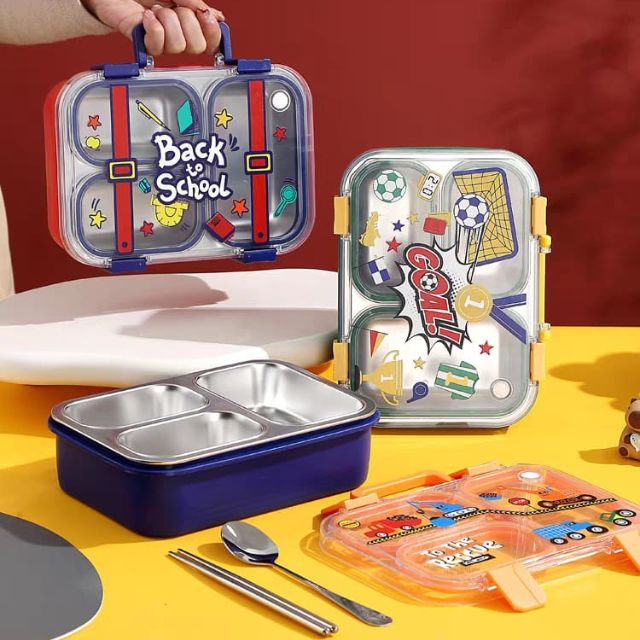
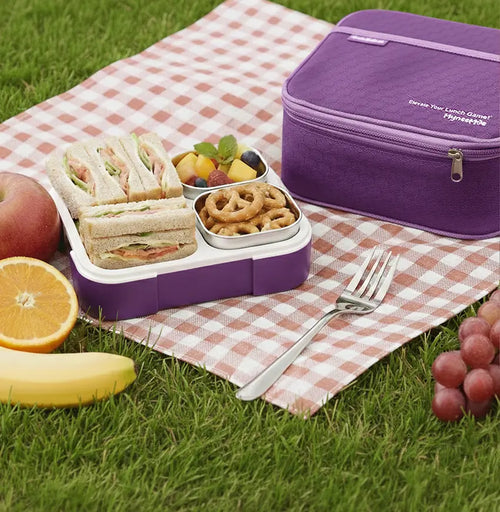
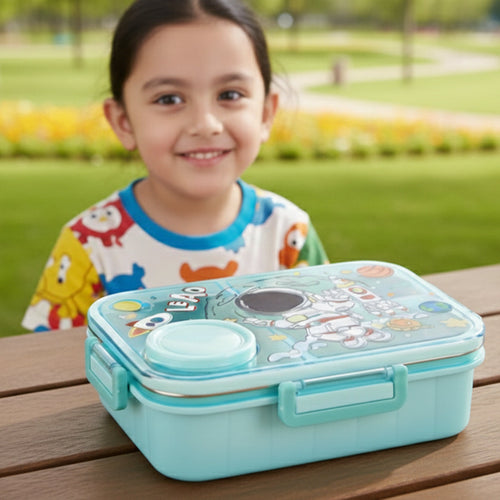
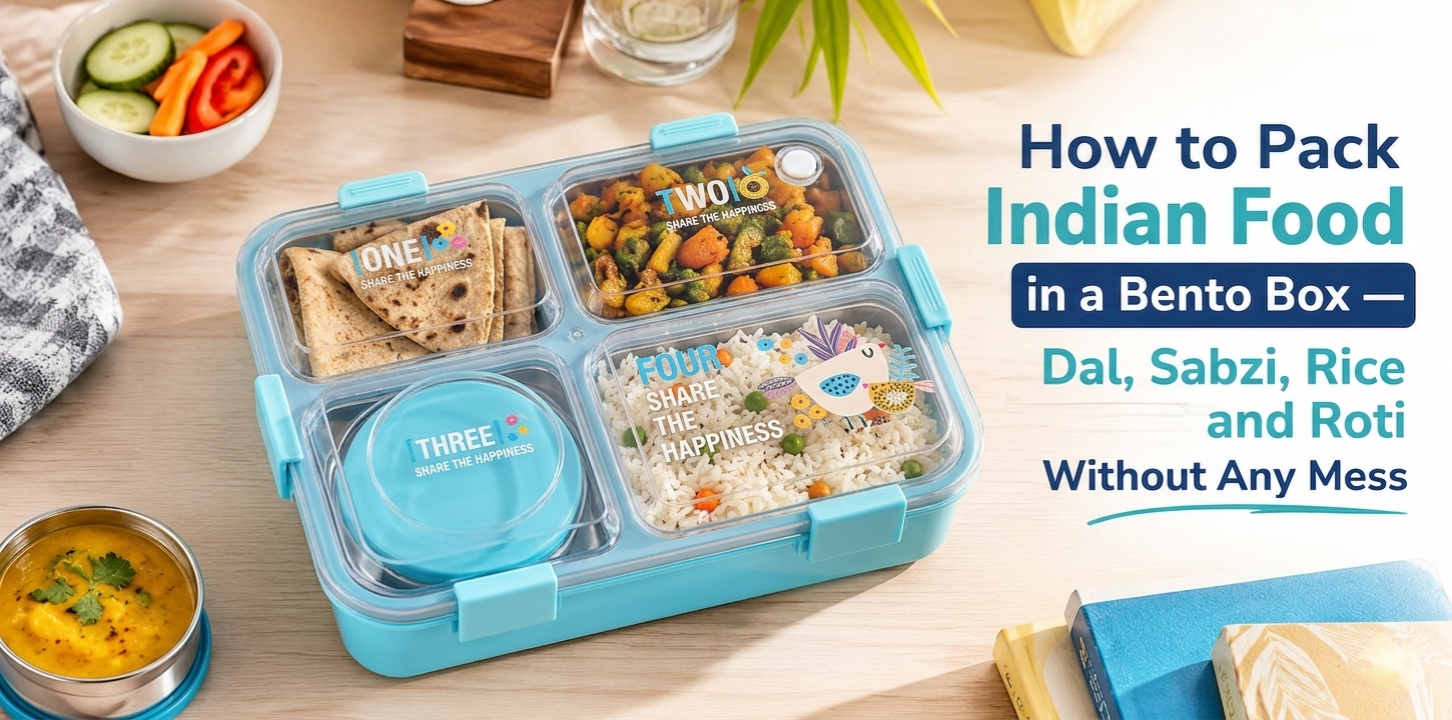
A bento box comes from Japan and refers to a lunchbox that has compartments for different foods so that each item remains segregated in its respective compartments.
This concept of eating is very enlightening for the Indians, as it seems like a thalion the goo.
The ideal bento lunch box always comprises 2-4 compartments that are not necessarily of the same size. While the biggest compartment will contain either rice or roti, the smaller compartments will be reserved for either sabzi, dal, salads, or desserts.
Choosing the Right Bento Box for Indian Food
However, not all bento boxes can withstand the high temperature and humidity required in Indian cuisine.
A. Steel vs Plastic: Which Is Better?
The ideal material for Indian cuisine is a steel bento box. Why? Because:
-
Will not take in the color or smell of turmeric-filled foods
-
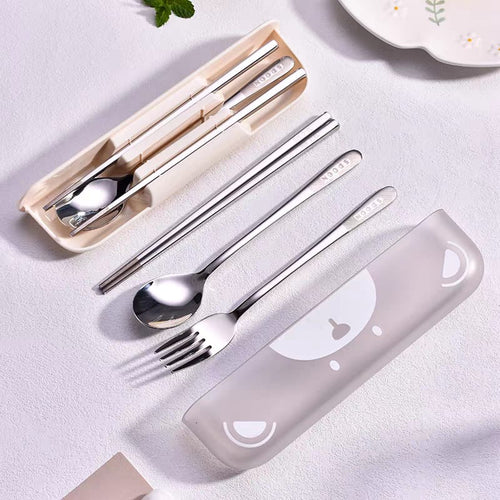
Stronger, able to withstand rough handling inside school bags
-
Safe when transporting hot food, no fear of plastic exposure to heat
-
Easy to clean after serving sabzis or sticky rice
Plastic bento boxes can work, but look for BPA-free labels and thicker construction. After a few rounds of rajma or palak paneer, the cheaper plastic boxes stain badly and start to smell.
If you're shopping for a bento lunch box in India, stainless steel options are now widely available and worth the small extra investment.
How to Pack Each Indian Food Type
This is where most people go wrong. Let's fix that.
A. Packing Dal and Curries Without Leaks
Dal is the trickiest. It's liquid, it flows, and it will find any gap in a poorly sealed lid.
The fix:
-
Fill the bottommost box with the lentils and leave about 1/4 empty.
-
The lid should snap securely at each end.
-
Wait until the lentils cool down a bit before packing because when the steam accumulates inside the boxes, it puts pressure and pops the lid off.
-
For very liquid curries, a small food jar works better than a flat compartment. A wide-mouth, insulated food jar keeps liquid dishes contained, warm, and spill-free during transit
B. Packing Rice
Rice is actually the easiest. It's solid, doesn't shift much, and packs neatly.
-
If packed slightly warm and well-packed, the rice keeps its shape.
-
The rice should be packed tightly in its own box.
-
Do not pack the rice with ghee if the box is likely to be tipped while being packed.

C. Packing Roti and Paratha Without Turning Rubber
Roti is the one that needs the most care.
Fresh roti left in a sealed box sweats and turns soft and sticky. The solution is simple:
-
Wrap rotis individually in a small piece of butter paper or foil before placing them in the compartment
-
Don't pack roti while it's piping hot; let it cool for 3–4 minutes first
-
If you're packing paratha, a light smear of ghee before wrapping keeps it soft without making it soggy
D. Packing Sabzi
Dry sabzis (aloo gobi, bhindi, paneer bhurji) pack easily in any compartment. Semi-dry ones (matar paneer, dal makhani) need a bit more care.
-
Pack semi-dry sabzis in a deeper section.
-
Avoid overfilling; a little space at the top prevents the lid from pressing into the food
-
Place the sabzi compartment away from the roti section to avoid steam transfer
E. Adding a Small Sweet or Fruit
A bento lunch box usually has a small compartment left over, perfect for:
-
A small bowl of kheer or fruit custard in a sealed mini container
-
Sliced fruit (mango, apple, or grapes work well)
-
A couple of dry fruit pieces or a small laddoo

Knowing How to Use a Bento Box Properly
Understanding how to use a bento box is half the battle. A few habits make the biggest difference:
-
Pack in order of temperature, hottest items go in last
-
Always test the seal before putting it in the bag. A quick side-tilt check takes two seconds.
-
Use compartment size intentionally; the largest section is for the main carb (rice or roti), medium for sabzi, and small for dal or dessert.
-
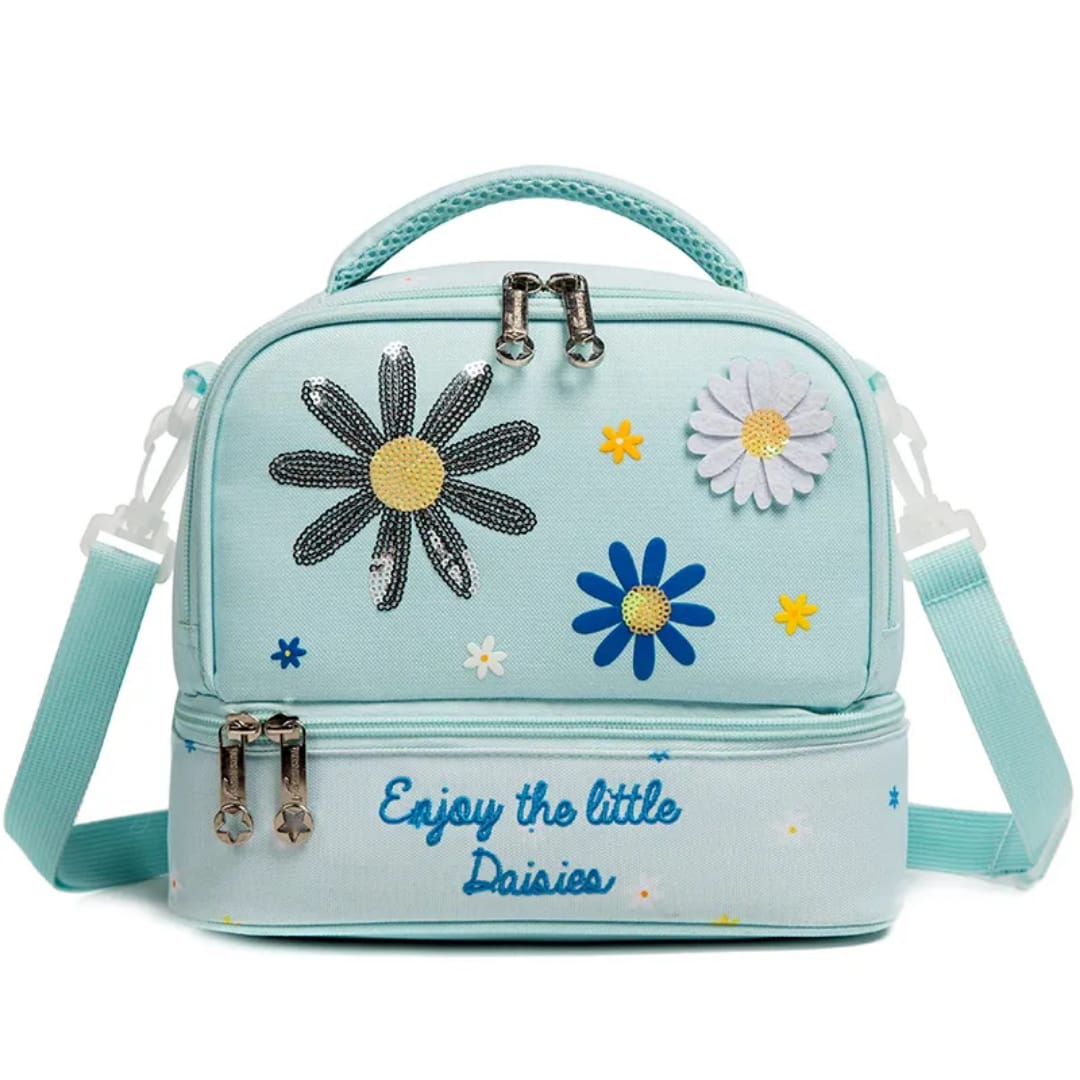
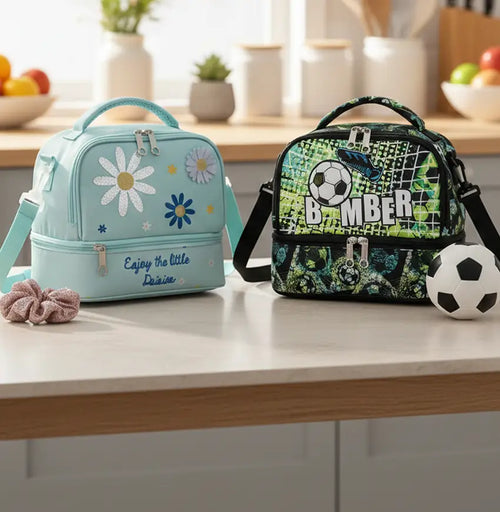
Pair with an insulated bag, which keeps the food at the right temperature and protects the box from knocks.
Conclusion
Sending packed lunches from India to schools need not involve sacrificing any aspect of taste, quality, or enjoyment by your children during their lunch breaks. With proper compartmentalization and a decent steel bento box, dal, sabzi, rice, and roti can all be sent without issues.
If you're looking for a bento lunch box for kids that's built for real Indian meals, MyneeMoe offers stainless steel options designed with exactly these needs in mind. Because school lunch should be something your child actually looks forward to.
FAQs
Q1: Won't roti go hard or rubbery in a bento box?
Roti can become hard if not packed properly. One should wrap the roti in either butter paper or tin foil and pack only when it is cooled down, and not while it is hot.
Q2: What size bento box works best for primary school kids?
A 3-compartment box in the 750ml–1000ml range is ideal for most primary school children. It fits a reasonable portion of rice or two rotis, one sabzi, and a small side.
Q3: Can I pack hot food directly in a bento lunch box?
You can pack warm food, but avoid packing food that's piping hot. Steam builds pressure inside the box, which can pop lids open. Let food cool for 3–5 minutes before sealing.
Q4: Is a bento lunch box good for toddlers, too?
Yes, with the right size. Look for a smaller bento box (around 500ml) with fewer, larger compartments, easier for little hands to open and with portions sized for a toddler's appetite.
Q5: Where can I find a good bento lunch box in India?
There are several Indian children's brands that sell high-quality steel bento boxes. They usually have silicone-sealed lids and are made of food-grade stainless steel and tested for leaks; they cope better with Indian cuisine.