



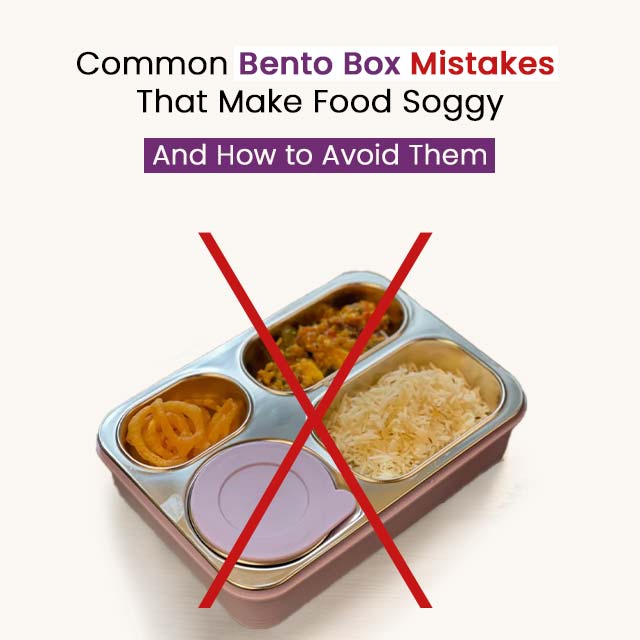
A bento box is meant to keep your meal fresh, balanced, and visually appealing. But one small mistake can turn that perfect lunch into a soggy mess.
Many people accidentally sabotage their bento food box before lunchtime, even with things like excess moisture to poor layering. The result? Limp veggies, mushy rice, plus flavours that feel off. Think of it like packing a suitcase; if everything goes in without planning, chaos follows.
This guide breaks down the most common bento box mistakes that cause sogginess and, more importantly, shows you how to avoid them.
With a few smart tweaks, your bento lunch boxes can stay crisp, fresh, and satisfying till the last bite.
Why Does Food Become Soggy in a Bento Box?
Soggy food is rarely about the bento box itself. It usually comes down to moisture, heat, as well as poor food placement. Understanding why this happens is the first step to packing smarter and eating better.
Moisture Is the Silent Culprit
Moisture sneaks in quietly and spreads fast. Ingredients that release water can affect everything around them. In a compact bento tiffin box, even a little excess moisture can ruin textures.
-
High-water vegetables like cucumbers and tomatoes
-
Saucy dishes without separation
-
Fruits release natural juices
Packing Food While It’s Still Warm
Packing warm food may save time, but it traps steam. That steam later settles as condensation. This turns your crisp food soft and dull by lunchtime.
-
Steam buildup inside closed lids
-
Condensation dripping onto dry items
-
Loss of crunch and structure
Common Bento Box Packing Mistakes to Avoid
Even good food choices can fail with poor packing habits. These everyday mistakes are easy to miss but hard to fix later. Avoiding them can instantly improve your bento lunch experience.
Mixing Wet and Dry Foods
When wet and dry foods sit side by side, the dry ones always lose. It’s like putting a sponge next to water; it absorbs everything.
-
Rice absorbing the curry moisture
-
Fried items are turning soft
-
Bread losing structure
Overfilling the Bento Box
Stuffing your bento food box may feel efficient. But overcrowding leaves no breathing room. Food gets squished, mixes unintentionally, plus releases more moisture.
-
Pressure causes food to sweat.
-
Flavours bleeding into each other
-
Messy presentation
Smart Ways to Keep Your Bento Lunch Fresh and Dry
The good news? A soggy bento is totally avoidable. A few small changes in prep and packing can make a big difference. Think of it as meal prep with intention.
Let Food Cool Completely Before Packing
Cooling food may take extra minutes, but it saves hours of disappointment later. Cool food equals less steam, less moisture, as well as better texture.
-
Spread food on plates before packing.
-
Avoid sealing lids too early.
-
Pack once food reaches room temperature.
Use Dividers and Separate Containers
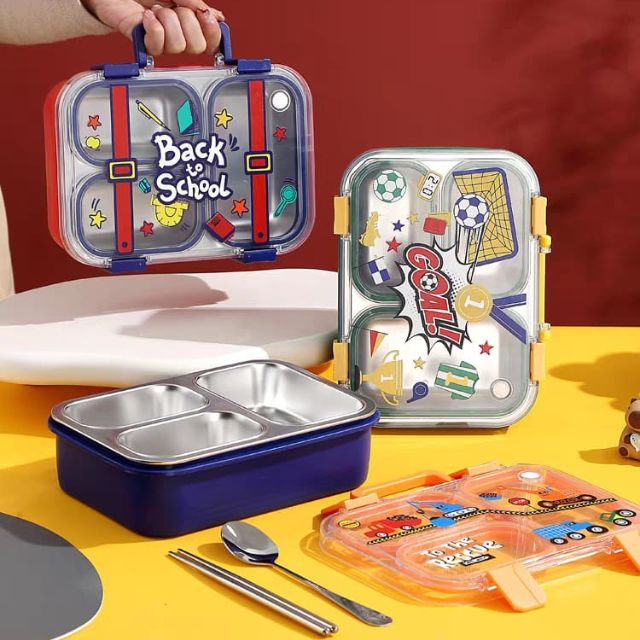
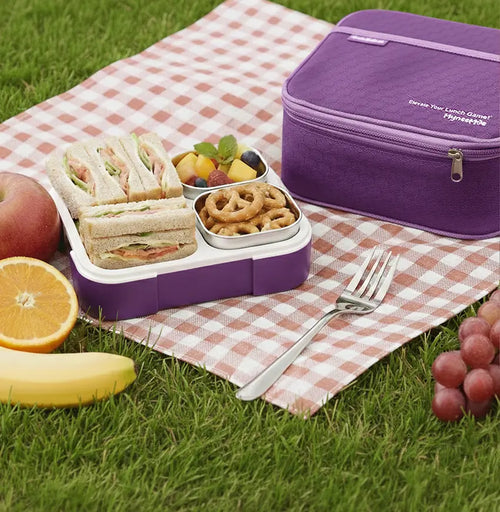
Dividers act like walls in a house. They keep flavours and moisture where they belong. This is especially useful in multi-compartment bento lunch boxes.
-
Silicone cups for wet dishes
-
Built-in compartments
-
Mini containers for sauces
Choosing the Right Bento Box Matters More Than You Think
Not all bento boxes are built the same. The design, material, along with seal quality play a huge role in keeping food fresh. The right choice supports your packing efforts.
Airtight but Breathable Design
A good bento tiffin box balances sealing and airflow. Too tight traps moisture. Too loose causes spills. The sweet spot keeps food intact and fresh.
-
Secure lids with minimal condensation
-
Quality seals
-
Food-grade materials
Conclusion
Having soggy meals in a bento box? Don’t worry, it’s usually a fixable mistake. You can enjoy fresh as well clean meals by mindful packing, smart separation, plus better cooling.
Also, it is important to pick the ideal bento food box for yourself. It plays a big role in offering satisfaction in the long run. Brands like MyneeMoe have grown in this industry with their thoughtful design and fulfilling user requirements.
It’s like when your tools work with you, there's no one against you. Every lunch feels worth looking forward to and well-planned.
FAQs
1. What is a bento box, and how is it different from a regular lunch box?
A bento box is a compartmentalised food container designed to keep different foods separate in one box. Unlike a regular lunch box, a bento food box focuses on portion control, balanced meals, and better organisation. This separation helps prevent moisture transfer, keeps textures intact, and makes meals visually appealing. Bento lunch boxes are especially popular for homemade meals that include a mix of dry and semi-wet dishes.
2. Why does food become soggy in a bento lunch box?
Food usually becomes soggy due to excess moisture and trapped steam. Packing warm food, mixing wet and dry items, or overfilling the bento box can cause condensation. This moisture spreads inside the container and affects the texture. Without proper separation, even well-cooked food can lose its freshness by lunchtime.
3. Is it okay to pack hot food in a bento box?
It’s best to let food cool before packing it into a bento tiffin box. Hot food releases steam, which turns into water droplets once the lid is closed. This trapped moisture makes rice, vegetables, and fried items soggy. Cooling food to room temperature helps maintain texture and flavour throughout the day.
4. How can I prevent moisture from spreading inside a bento food box?
To prevent moisture buildup, keep wet and dry foods separate using compartments or dividers. You can also use silicone cups or small containers for sauces. Dry ingredients thoroughly and avoid adding extra gravies. These simple steps help your bento lunch boxes stay fresh and mess-free.
5. Does the type of bento box affect food freshness?
Yes, the design of the bento box plays a big role in food quality. A well-designed bento tiffin box with secure lids and smart compartments helps control moisture and prevents food from mixing. Choosing a box made with food-safe materials also ensures better temperature control and longer freshness.