






Take a look at your own kitchen for a second. How many plastic utensils are currently hiding in that one messy drawer in your kitchen? A few plastic spatulas, some old forks, maybe a cracked spoon or two? And then think of all of the meals, birthday parties, and rushed weeknight dinners that we go through in a year.
A staggering amount of plastic cutlery gets thrown away without people even realizing it. But here’s the good news: making the switch to stainless steel is one of the easiest changes you can make. And the effects of making this switch are far greater than most people realize.
The Plastic Problem Hiding in Plain Sight
Most people are unaware of how much plastic they use until they start counting. It's not just plastics in bottles or bags; it's also the kitchen items made of plastic that people use in their daily lives.
Reality Check: A family of four generates around 540 disposable cutlery items per year. This includes cutlery used for packed lunches, takeout dinners, and office birthday celebrations. This also includes plastic ware utensils, which are thrown away after they break. This number increases when we consider plastics that are thrown away after they are used twice because they broke once.
Unlike a plastic bottle, most of these plastics are not recyclable because they are too small, too dirty, or are made of the wrong kind of plastic.
What Does That Look Like in Numbers?
Let's take an example of an average family of four for a year:
-
Approximately 540 units of cutlery from takeout food and packed lunches
-
2-3 sets of broken budget plastic cutlery sets every year
-
Dozens of plastic cutlery, like plastic stirrers, plastic serving spoons, plastic tasting forks
-
Approximately 1.5 to 2 kg of plastic cutlery waste every year for every family
It's a lot of plastic for something you only have to buy once.
Why Families Keep Buying Plastic (And Why That Has to Change)
It’s not laziness, it’s a habit. Plastic kitchen items are cheap, easily accessible, and designed to be thrown away. That’s the problem.
We’ve all been there. We pick up a set of plastic forks for our picnic. A few break, a few get lost, and the rest get chucked in the bin. No harm done, we think. But no harm done adds up to a lot of harm done.
The Real Cost of 'Cheap'
Here’s the truth about cheap plastic’s cost to you and your household each year:
-
Money: Replacing cheap sets 2-3 times a year costs you far more than one good quality steel set
-
Space: Old, broken plastic clogs up your kitchen drawers and utility rooms
-
Health: Old, scratched plastic can leach toxins into hot food
-
Planet: Broken plastic clogs up our landfills for up to 400 years
Steel, on the other hand, can last you decades. A good set of stainless steel cutlery can last you and your household 10, 15, even 20+ years. That’s not a purchase, that’s an investment.
How Much Waste Can One Family Actually Eliminate?
This is where it gets really interesting. When you think about changing just one family’s use of plastic ware utensils to stainless steel utensils, the waste reduction can be staggering, and the numbers are impressive.
In just over 10 years, a family of four can prevent:
-
5,000+ pieces of disposable plastic cutlery from entering the waste stream
-
20-30 plastic utensil sets (spatulas, ladles, serving spoons)
-
15-20 kilograms of plastic waste, just from the kitchen
-
Hundreds of individual plastic items that would otherwise end up in a landfill
But then think about what happens when you multiply that by an entire neighborhood, city, or country.
Steel vs Plastic: A Side-by-Side Snapshot
Still undecided? Let's have a brief comparison:
-
Lifespan:
-
Plastic: 6–18 months
-
Steel: 10–20+ years
-
Waste
-
Plastic: non-recyclable, ends up in landfill
-
Steel: 100% recyclable
-
Safety
-
Plastic: can leach chemicals
-
Steel: food-safe, non-toxic
-
Cost over time
-
Plastic: more expensive
-
Steel: one-time investment
-
Appearance
-
Plastic: fades and stains
-
Steel: stays sleek and clean
Making the Switch: It's Easier Than You Think
You don’t have to change everything at once. Replacing plastic kitchen items with steel products is a process. It is a step-by-step change. But the results are significant.
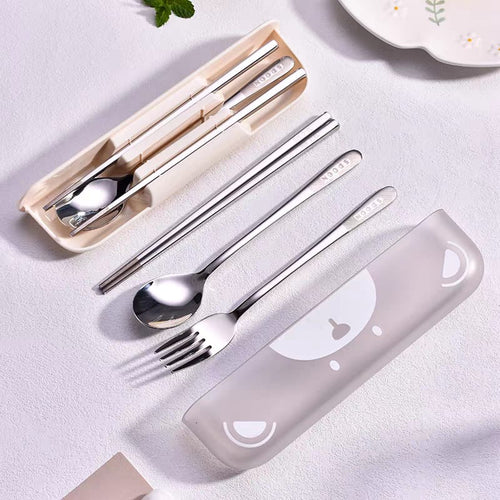
Start with the essentials. A stainless steel cutlery set is the basic requirement. Then you can move on to the rest of the cutlery.
Simple Swaps to Start With
A list of changes you can make to your daily life is as follows:
-
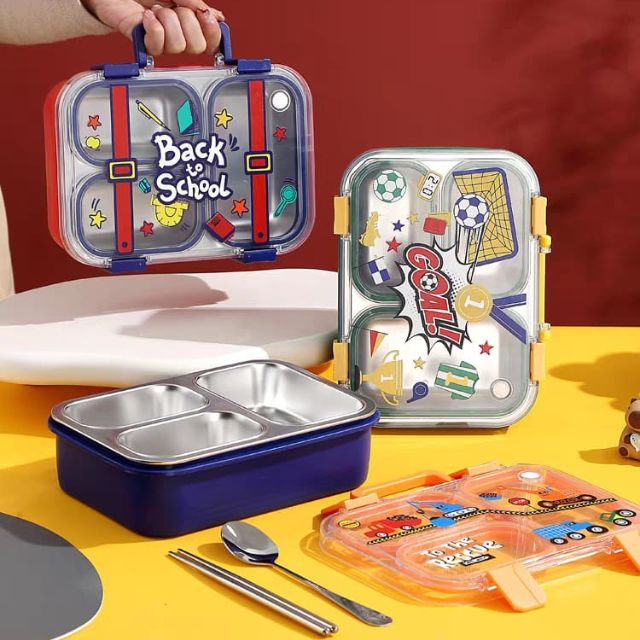
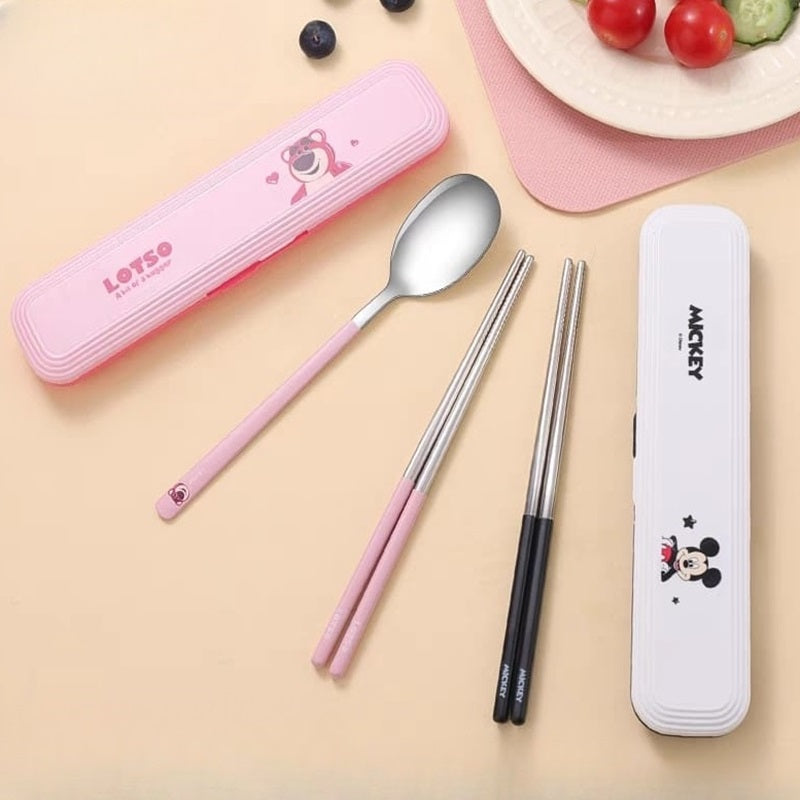
Change the cutlery set you pack into your kids’ lunchboxes to a compact cutlery set made of steel
-
Swap plastic utensils you use from the kitchen for steel cutlery
-
Change the plastic spatula, ladle, tongs, and serving spoons you use to steel cutlery
-
Carry a cutlery pouch made of steel when you go out to eat. No plastic cutlery!
-
Invest in a quality stainless steel cutlery set for home dinners.
These are not drastic changes. But the results are staggering. It is like compound interest. Small changes add up to enormous results.
Conclusion
One of the simplest, most effective changes you can make as a family is to ditch plastic cutlery and plastic ware utensils in favor of steel. The savings are very real, and they begin in your own kitchen drawer.
If you’re ready to make the switch, MyneeMoe has you covered with a fantastic collection of cutlery sets that are beautifully designed, well-made, and designed for families who believe in doing things right.
FAQs
1. Isn't it too inconvenient to carry reusable steel cutlery instead of using disposable cutlery when eating out?
Not really, and this is one of the most common myths associated with making this change. Most compact steel cutlery sets are very slim and light, and they come in a pouch. These can easily be carried in your handbag, lunchbox, or office bag without any hassle.
Yes, they will need to be washed after this. But this will only take 30 seconds. How does this compare to the guilt of adding more disposable cutlery to landfills, waste that will outlast you by centuries in the ground? Once this becomes a habit, it feels as natural as carrying your phone.
2. Aren't plastic utensils just as safe as steel ones for everyday cooking?
It is a question well worth asking. The short answer is: no, not always.
Plastic utensils are often made from plastics that break down over time. Scratched plastic cutlery may even leach trace amounts of chemicals directly into your food.
Something stainless steel does not do. Stainless steel is non-porous, non-toxic, and food-safe at all temperatures. It does not warp when placed near a hot pan, nor does it shatter from heavy use.
If you are cooking for kids, especially, the 'safe enough' threshold for plastic cutlery is much lower than you might think.
3. Can't I just recycle plastic cutlery instead of switching to steel?
It is a reasonable suggestion, but in reality, it is far more difficult than it seems. Most councils do not accept plastic cutlery in their recycling plants. It is too small for machines to sort correctly, and it is also too dirty with food residue to be recycled.
The sad fact is that the vast majority of plastic cutlery ends up in landfill sites and is burnt. It is a shame that recycling plastic cutlery is not always a viable option. It is far more effective to change to stainless steel, which solves the problem entirely.
4. Aren't plastic ware utensils cheaper and more practical for large family gatherings?
They look cheaper in the first place, but let's look at the overall picture. A set of plastic ware untensils for a party or a gathering of friends will cost a few pounds or dollars. But add all the birthdays, barbecues, and get-togethers we have in a year, and it adds up. A good set of stainless steel serving pieces will cost the same and last for decades.
For large gatherings, steel serving spoons, tongs, and salad servers are reusable, dishwasher-friendly, and look a thousand times better on a table. The argument for plastic being 'practical' always falls apart when one does the math. Short-term thinking makes plastic look like the logical option. Long-term thinking paints a completely different picture.
5. Isn't replacing all kitchen items plastic with steel too expensive to do all at once?
Of course, no one is proposing that you change your entire kitchen drawer in one night. Replacing kitchen items made of plastic with steel is a gradual process, and it is probably the smartest way to do it. Begin by changing your everyday set of cutlery. Then, as plastic kitchen items become damaged and need to be replaced, replace them with steel kitchenware. A spatula here, a serving spoon there.
After 12-18 months, your kitchen will have made this change without you spending a ton of money in one place. The only change in thinking is from "replacing cheap things often" to "buying quality things once." Steel is more expensive per item, but you only buy it once.