




Choosing the best infant feeding utensils is not as easy as grabbing the most adorable baby spoon at the store. Every stage in the life of your child is a unique experience in itself. Using the wrong infant feeding utensils at the wrong time can turn mealtime into a frustrating experience for your child and you.
In this article, we will guide you through selecting infant feeding utensils suitable for your child at various stages of their life, making mealtime a happier experience.
Why the Right Feeding Utensils Actually Matter
The thing is: babies grow and change really, really fast. Their motor skills, oral development, and ability to feed themselves all change significantly between 0 and 12 months.
Using infant utensils for your little one can help them grow and thrive. It can help prevent choking. And let's be honest: it can make mealtime a little less messy (okay, a little less messy).
It's also a great way to give your little one confidence while eating. When a utensil is designed for a baby's hands and mouth, they'll be more likely to feed themselves. And that's a win for everyone.
Stage-by-Stage Guide to Baby Feeding Utensils
Stage 1: Newborn to 4 Months
Your baby is still sucking crazy at this stage. Your baby is not ready for spoons and solids at all.
The best tools you need are:
-
Newborn baby bottle nipples made of soft silicone material
-
Medicine droppers or syringes, depending on your needs, for a liquid supplement
-
Silicone finger feeder, in case you need an alternative nursing option
Simple is best. Your baby doesn’t need much at this stage, just something soft and safe for their sensitive gums.
Stage 2: 4 to 6 Months
Between 4 and 6 months, your pediatrician may give the green light for you to start solids. And this is where infant feeding utensils come into play.
What to look for:
-
Soft-tipped silicone spoons, shallow bowls, and ultra-soft material
-
Short handles that are easy for parents to grip and control
-
No sharp edges ever
You're in charge of the feeding process at this time. Your child is still learning what a spoon is. So, it's time to make it comfortable for their little mouth.
A pro tip? Try warming the spoon a bit before feeding your child. It makes the experience less surprising for your child.
Stage 3: 6 to 9 Months
Now things get exciting! Your baby will be sitting up with support, showing genuine interest in food, and their hands will be exploring everything.
The best feeding utensils for this stage are:
-
Chubby-handle spoons, as they are easy for the baby to grasp
-
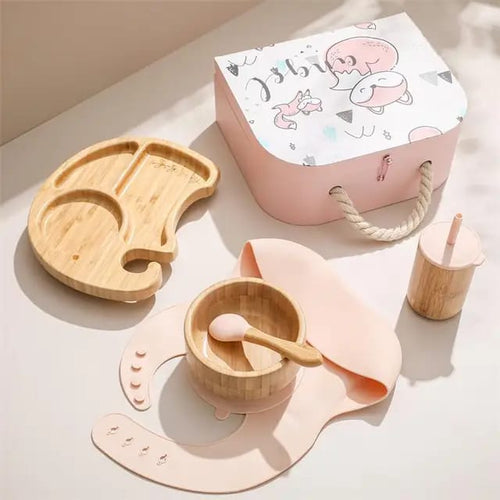
Segmented plates with suction bottoms, as they will not become frisbees in the process
-
Open cups with wide bottoms, as they will be practicing sipping
-
Soft silicone bibs with food-catching pockets, trust us on this one!
At this stage, from 6 to 9 months, your child will want to be involved in feeding. You can give them a spoon to play with while you feed them with another one. This will keep them engaged, but it will not be as chaotic as feeding them themselves.
Stage 4: 9 to 12 Months
And this is where the fun, and the mess, really begins. Your baby is learning to use the pincer grasp. This is where they can pick up small amounts of food with their thumb and finger. And they really want to feed themselves.
Choose utensils for independent feeding:
-
Short, thick-handled spoons with a curved neck help keep the food on the spoon longer
-
A fork with rounded, blunt tines, yes, babies can start using forks!
-
Suction bowls, otherwise, lunch will be on the floor
-
A 360° sippy cup, it will work no matter which way the baby turns it
The best infant feeding utensils are the ones that can be used for self-feeding. Look for sets that include a spoon and a fork designed for little hands.
Stage 5: 12 to 18 Months
When your little one reaches their first birthday, they're basically a pro at eating. Well, kind of. They're still messy, but they're learning!
What works best at this age:
-
Weighted spoons, the added base makes it easier to scoop without spilling
-
Pre-loaded spoon sets are perfect for learning proper grip and hold
-
Open cups, start to phase out the sippy lid gradually
-
Divided plates, kids this age are super opinionated about food touching each other
The idea at this stage is not to master anything; it's to develop a habit. Allowing them to learn with the proper infant feeding utensils will help create muscle memory.
Stage 6: 18 Months and Beyond
For the past 18 months, your toddler has been in full "I do it myself!" mode. Well, good for them, because they are finished with you helping them do anything.
Upgrade to:
-
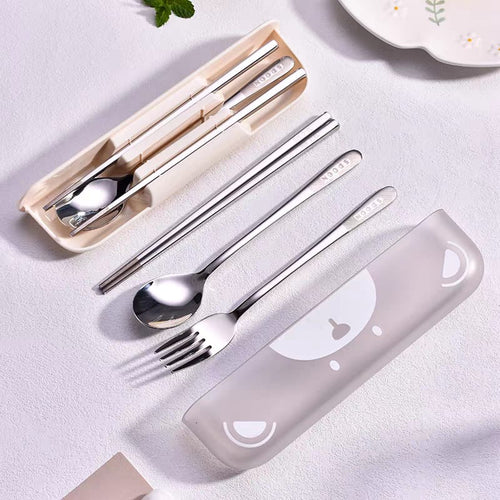
Metal or bamboo spoons in toddler size
-
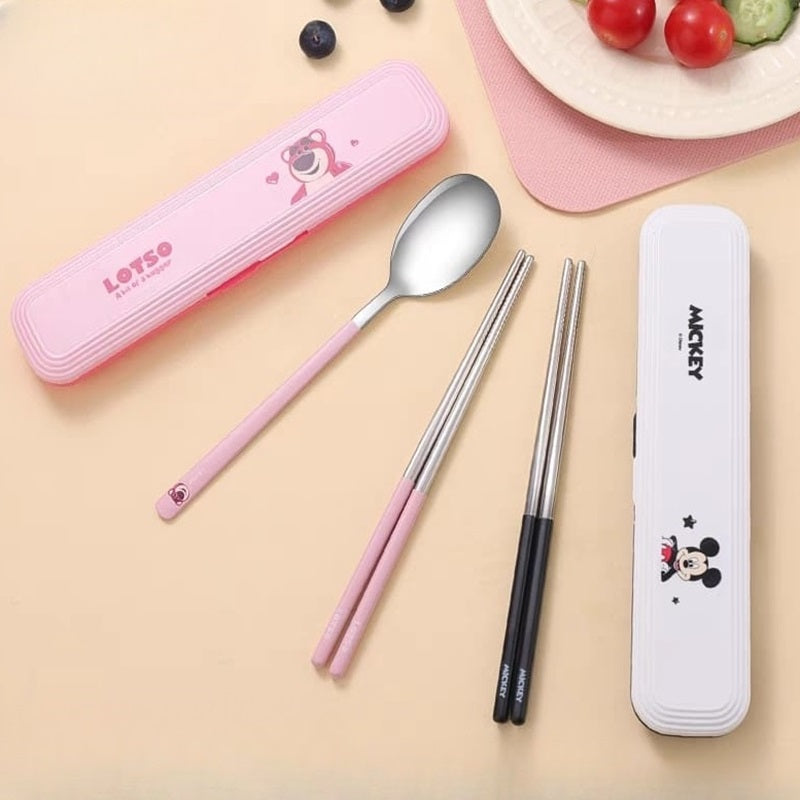
Training chopsticks (some kids love them at this age!)
-
Regular cups with very little liquid
-
Toddler forks with slightly longer handles
Keep encouraging them to do it themselves, and mealtime confidence at this age lasts forever!
Conclusion
The choice of the right feeding utensils at the right time is all about convenience, supporting your child's development, safety, and building your child's confidence during meals. That first soft spoon, the bold fork of the toddler, all of these utensils play a vital role.
Well, if you are looking for a trusted source that brings all of these together in one place, then MyneeMoe has you covered. They have a great range of well-thought-out baby feeding sets, as every child deserves the right tools for the table.
FAQs
1. What are infant utensils, and why are they important?
Infant utensils are special feeding utensils designed for infants. These include spoons, bowls, and cups. These utensils are necessary for infants because they provide a safe feeding option, help the infant develop the mouth, and ease the transition to self-feeding.
2. Are infant feeding utensils really necessary for babies?
Infant feeding utensils are necessary. This is because they are designed for infants and are safe for them. Adult utensils are not safe for infants. Adult utensils may be difficult for infants to use.
3. What makes the best infant feeding utensils for daily use?
The best infant feeding utensils are those that are safe for the infant and the parent. These include utensils made of BPA-free materials, with soft tips, and easy to clean.
4. Can’t I just use regular spoons instead of infant utensils?
It is not recommended for infants to use regular spoons. This is because the spoons may be hard, large, and made of unsafe materials. These may hurt the baby's gums and make it difficult for the infant to feed.
5. What types of feeding utensils are needed for infants?
Infant utensils include soft-tip spoons, suction bowls, spill-proof cups, and training forks.