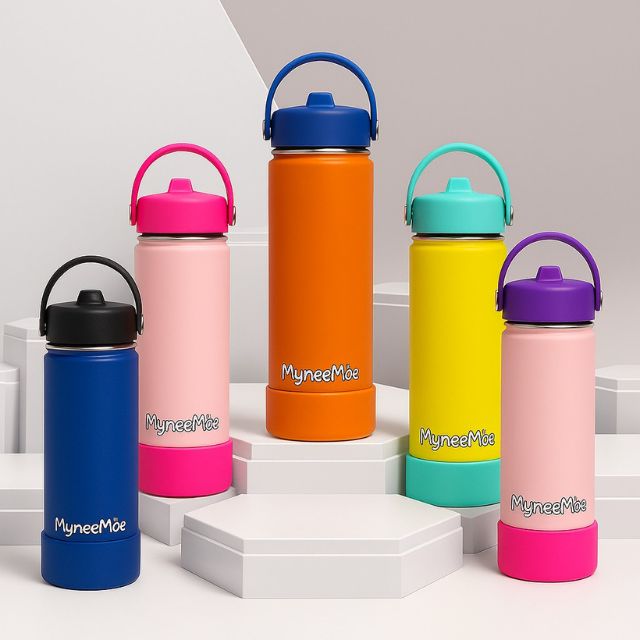
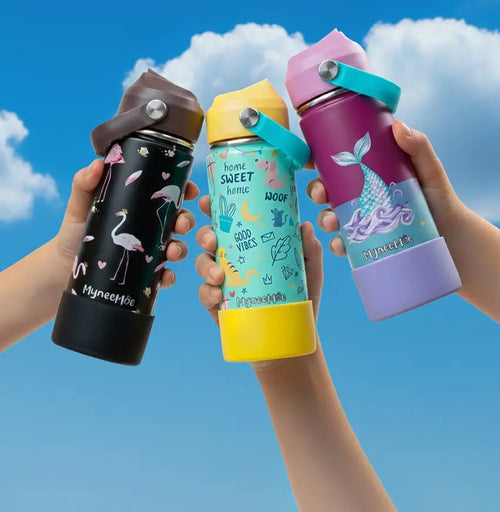

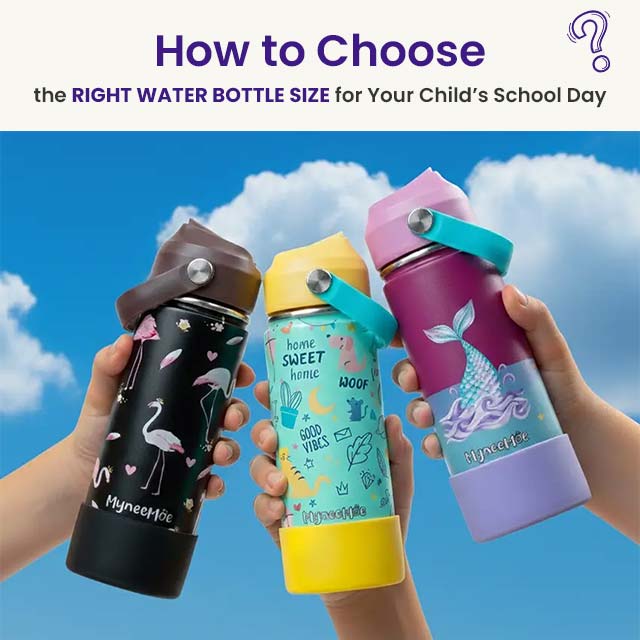
Selecting an appropriate water bottle for your child’s use in school may not look like an important decision to most parents. However, it is even bigger than most parents would want. Using a water bottle that is too small means that it will be emptied faster. Another thing is that the large water bottle would be too bulky in the school bag because it is too full.
Understand the school timings and correlate the capacity of the bottle with the age of the kid. Everything needs to be taken into consideration. It’s like selecting a shoe. Once again, the needs of a one-year-old will be different from those of a two-year-old. This blog will cover all the aspects you need to consider.
Why Water Bottle Size Matters for School-Going Children
The water bottle size has a direct effect on hydration levels, convenience, as well as daily rhythms in school. It could mean frequent fill-ups or carrying unnecessary weight with incorrect use. Knowing its effects means making informed decisions that are beneficial to the child.
Hydration Needs During a Typical School Day
Children tire more easily when they are dehydrated. A bottle of a suitable size is useful in enabling regular water drinking. It is almost like having a reminder that is silently telling you to drink.
Choosing the Right Water Bottle Size by Age Group
The age of the child defines water requirements and the weight that can be carried. An appropriate matching of bottle size with age makes hydrating hassle-free and eliminates the issue of carrying heavy school bags every day.
Ideal Water Bottle Sizes for Preschool and Kindergarten Kids
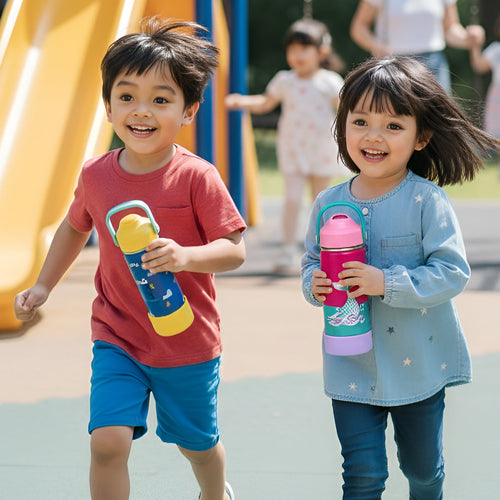
Children can be provided with small water bottles. The bottles should be smaller so that children can easily hold them in their hands. Additionally, children can be encouraged to drink water by having water available.
Best Water Bottle Sizes for Primary School Children
Primary school children need a balance of capacity and weight. Medium-sized bottles cut down on refilling, as well as being easy to handle during a full school day.
Water Bottle Size Recommendations for Older Students
The big water bottles can be handled by older children during longer classes or sports activity sessions. The type that contains a 1.5 litre water bottle will be helpful in this aspect.
School Schedule and Activity Level Also Matter
Not all days at school will be the same. The school day and the level of physical activity will affect the individual needs of a particular child regarding the amount of water he needs.
Short School Hours vs Full-Day Schooling
In short school days, children need smaller bottles, whereas in full days of school, larger capacity bottles will be needed. This is because in short school days, children don't need as much water in their bottles. They need water up until the last bell.
Sports Days, Field Trips, and Extra Activities
Active days require a large water bottle that has enough capacity to meet the higher hydration requirements. These water bottles can be very useful for outdoor activities as well as busy days at school due to their convenience.
Practical Features That Complement the Right Bottle Size
Size is perfect when coupled with intelligent features. Measurement markings, convenient lids, and leak-proof designs function to create a hassle-free experience when in use. Such features convert an ordinary bottle into a school-going essential.
Why Measurement Markings Help Kids Drink More Water
A water bottle with measurements allows the child to monitor their drinks easily. This instils good habits and simplifies the process of staying hydrated when schools have busy timetables too.
Conclusion
Selecting the correct water bottle size begins with convenience, familiarity, and creating a habit. When the size of the water bottle matches the age, schedule, and activity level of your child, then staying hydrated is no longer a task.
Brands like MyneeMoe realise this and have developed organically with attention to design and function. This is more indicative of parenting needs and less about the fad du jour. Making the right selection means that it is more than just a back-to-school supply. It becomes an unobtrusive player in the healthy, active lifestyle your child is experiencing at school.
FAQs
1. Is water bottle size really important for a child’s school day?
Yes, the water bottle size does matter in terms of daily water intake. A small water bottle may drain sooner, while a large water bottle may become too heavy to handle in a school backpack.
2. Aren’t small water bottles enough for school-going kids?
Small water bottles can be used for smaller kids or shorter school times. They may need to be refilled several times during a longer school day. Selecting the right water bottle size can depend on several factors.
3. Should I avoid big water bottles for my child’s school bag?
Not necessarily. Big water bottles may be used by older kids or on physical school days. The biggest factor is how much water you can carry in a big water bottle size without weighing too much.
4. Is a 1.5 litre water bottle too big for school use?
A 1.5 liter water bottle would be ideal for the seniors, especially those who engage in sporting activities or have long school schedules. A 1.5 liter water bottle may look bulky for the children, as their heights may not correspond with a smaller size one.
5. Does a water bottle with measurements actually help kids drink more water?
Indeed, the presence of the water bottle with measurements is helpful to the children. This is because the children can see the amount of water they are drinking.