
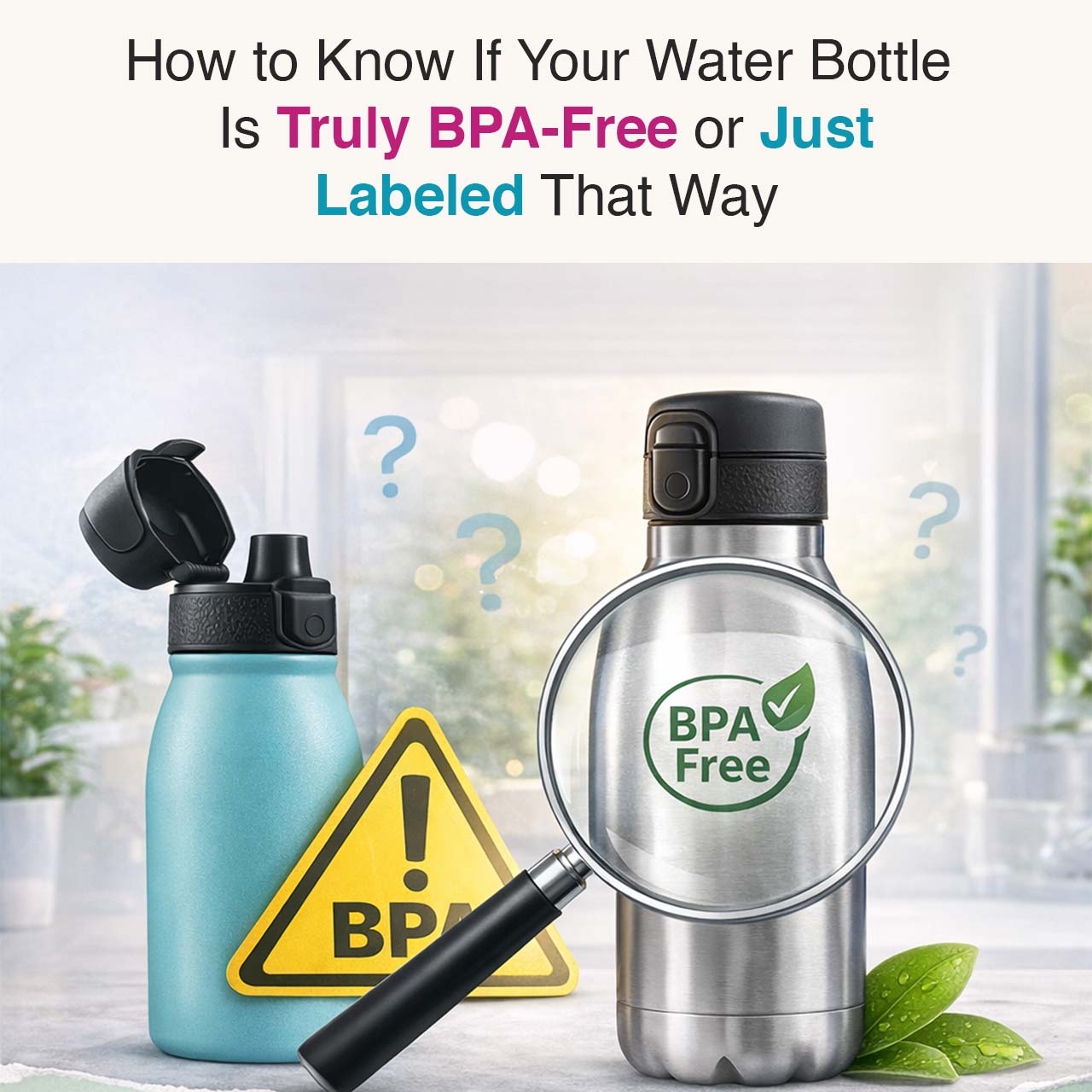
You grab a bottle. It proudly displays "BPA-free." It looks safe, doesn't it? But is it really safe or just a marketing gimmick? Let's analyze it in a way that's easy to understand, so you know what you're really drinking out of every day.
Before we get into decoding the labels, let's get a quick background on the BPA controversy.
BPA is short for Bisphenol A. It's a chemical that goes into making some plastics and resins. For a long time, it was found in most water bottles and food packaging. The problem? BPA can seep into food and liquids, especially when they come into contact with heat. There were studies that linked it to health hazards. That's when companies started marketing the term "BPA-free."
Now, every other product on the market has a BPA free water bottle. But here's the thing. Not all labels are created equal.
What "BPA-Free" Really Means
If a bottle is labeled as a BPA free bottle, it only means that a particular chemical is absent in the material. It does not necessarily mean:
-
The bottle is 100% chemical-free
-
It is toxin-free
-
It is safe in extreme heat
-
It won't degrade over time
Some manufacturers use BPS or BPF instead of BPA. These materials have similar issues, but studies are still being conducted.
See How to Check If It's Truly BPA-Free
Let's get realistic. Learn how you can play investigator.
1. Check the Plastic Code at the Bottom
Turn your bottle upside down. Look at that small triangle with a number in it. That's the resin identification code.
-
#1 (PET): Usually BPA-free
-
#2 (HDPE): BPA-free
-
#4 (LDPE): BPA-free
-
#5 (PP): BPA-free plus often used
-
#7 (Other): They may have BPA
If your bottle is #7, that's where you have to be careful. Not all #7 plastics contain BPA. But it's always good to double-check.
2. Look for Certifications
Trust badges are important. Trustworthy brands usually highlight the following:
-
FDA compliance
-
LFGB certification
-
EU safety standards
When the product page shows the certifications, that's a favorable sign. Vague statements can not be a great sign.
3. Research the Brand, Not Just the Label
A trustworthy brand is transparent. They display the details openly.
Ask yourself:
-
Do they point out the material used?
-
Is it Tritan, stainless steel, or food-grade polypropylene?
-
Do they provide lab test reports?
A trustworthy brand will not display only "BPA-free" in large fonts.
Is Bottled Water Always Safe?
Many people also believe that bottled water in BPA free bottles is automatically safe. However, most disposable water bottles are made of PET plastic, which is already BPA-free. However, issues come into play when:
-
The bottles are repeatedly used
-
They are exposed to heat
-
They are stored in cars under the sun
Even if the bottled water that's BPA-free, it doesn't mean that it is meant for repeated use. Disposable water bottles are meant to be used only once. Using them every day? That's when the danger begins.
Materials That Are Naturally BPA-Free
If you want ease of mind, think about these choices.
Stainless Steel
-
Durable
-
Long-lasting
-
Naturally BPA-free
-
Does not leach chemicals
Ideal for daily use. Particularly in hot Indian summers.
Glass
-
100% chemical-free
-
Easy to clean
-
Doesn't absorb smell
Just be careful. As it is fragile.
Tritan Plastic
Tritan is a famous BPA-free material. Multiple premium BPA free drink bottles use it.
It's:
-
Lightweight
-
Impact-resistant
-
Heat-stable
But again, pick reputable brands.
Red Flags to Watch Out For
Not all shiny bottles are to be trusted. Here are the warning signs:
-
Unbelievably low prices with claims of safety
-
No mention of the type of material used
-
No official website
-
Spelling errors on the packaging
-
No safety certifications displayed
If it looks like a shortcut, it probably is.
Reason Why Heat Changes Everything
However, heat is plastic's true challenge. Even a genuine BPA free water bottle can go bad if:
-
It is washed with boiling water again and again
-
It is left in a hot car
-
It is used to carry very hot liquids
Plastics tend to expand and deteriorate when exposed to extreme heat. That's when chemicals tend to seep out. So, take care of your bottle. It is not invincible.
Conclusion
It is not enough to look at a label and feel safe. A genuine BPA free water bottle is all about the material, the certification, plus the usage. Do not fall for flashy packaging. Turn the bottle around. Check the fine print. Make informed decisions.
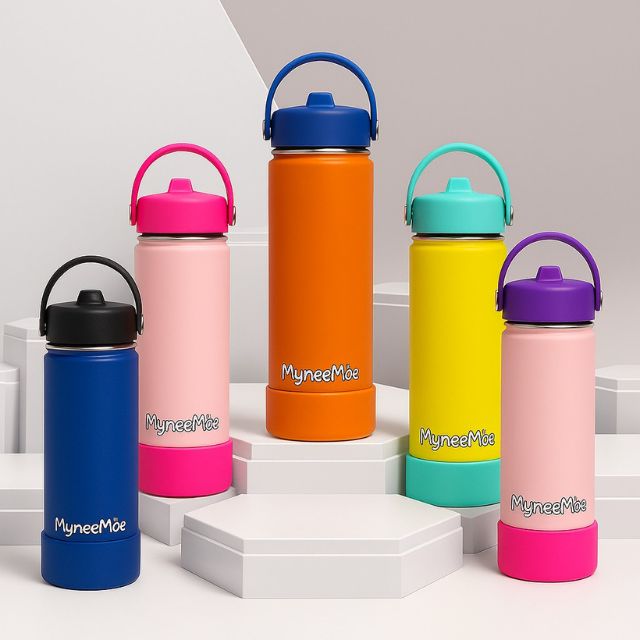
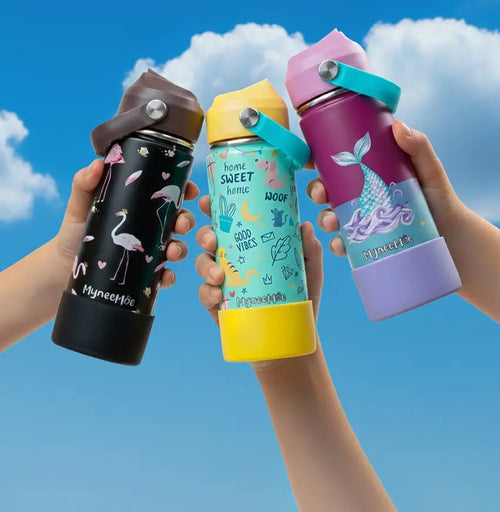
Brands like MyneeMoe are here to make it easy for you to make the right choice, with a carefully selected range of fashionable and long-lasting water bottle,s because drinking water should be a stress-free experience.
FAQs
1. How can I check if my BPA free water bottle is genuinely BPA-free?
Begin by looking at the plastic code number located at the Bottom of the bottle. Plastics with codes #1, #2, #4, as well as #5, are BPA-free. However, code #7 plastics are not recommended unless they are labeled as BPA-free. Additionally, check the certifications and plastic information, such as Tritan or stainless steel.
2. Does "BPA-free" automatically mean the bottle is completely non-toxic?
No, it does not. "BPA-free" simply means that Bisphenol A is not used. However, some manufacturers use alternative chemicals such as BPS or BPF. It is always important to check the material type and safety certifications for added assurance.
3. Isn't all bottled water in BPA free bottles safe for long-term reuse?
Not necessarily. Most disposable water bottles are BPA-free. However, they are meant for single use only. Repeated reuse of the bottle or exposure to heat can cause the plastic to break down and potentially leak chemicals.
4. Can a BPA free bottle still release harmful chemicals?
Yes, it can, but under specific circumstances. When bottles are exposed to high heat, strong detergents, or other heavy wear and tear, even BPA-free plastics can break down with time. Careful handling and timely replacement are essential.
5. How do I know if bottled water that's BPA free is actually safe?
Assess the manufacturer's openness. Good manufacturers are open about plastic type, certifications, as well as standards. Additionally, avoid storing plastic bottles in hot cars or direct sunlight for an extended period.