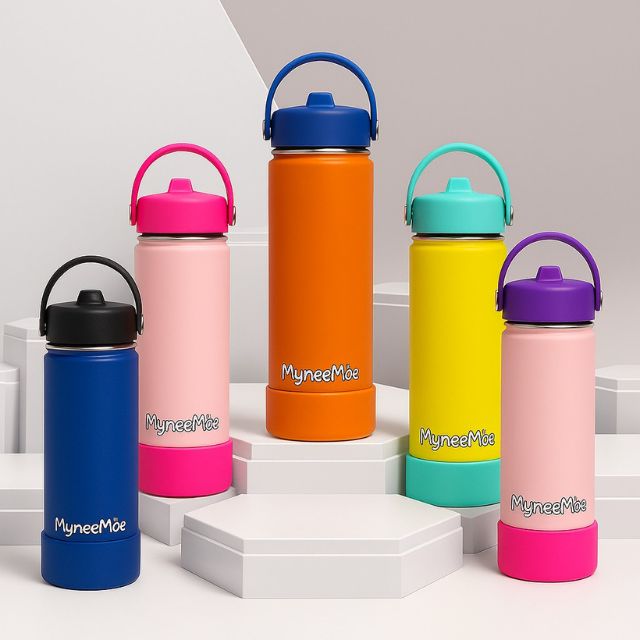

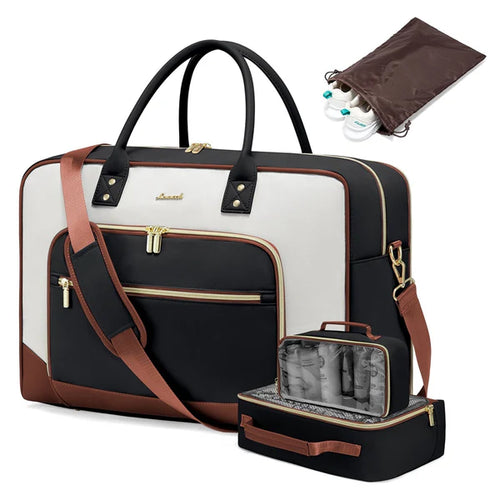
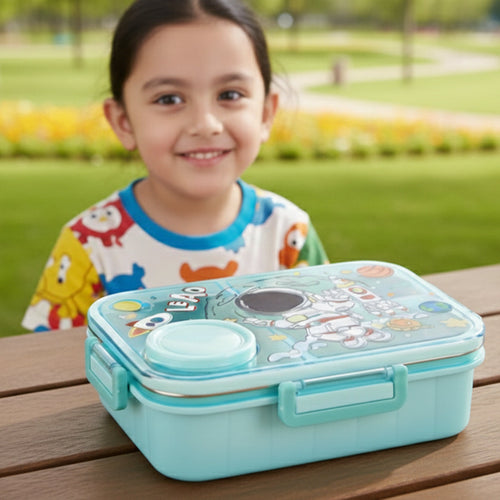
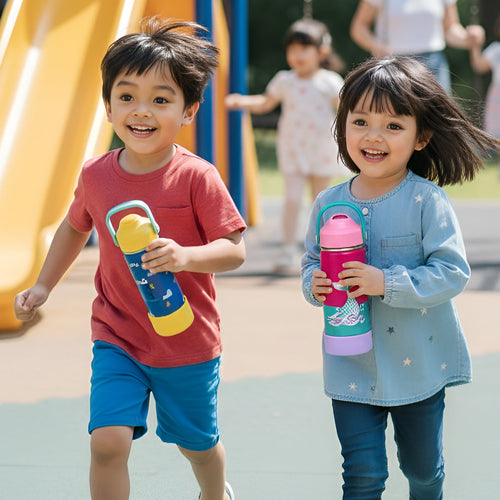
Getting your child's lunch ready every morning is one thing. Make sure it reaches school fresh, intact, and easy to eat. That's a whole different challenge.
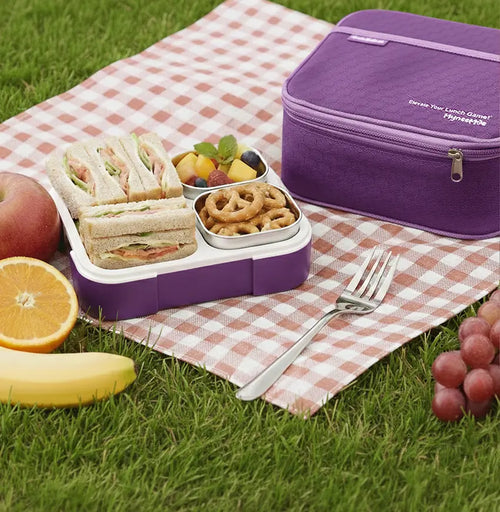
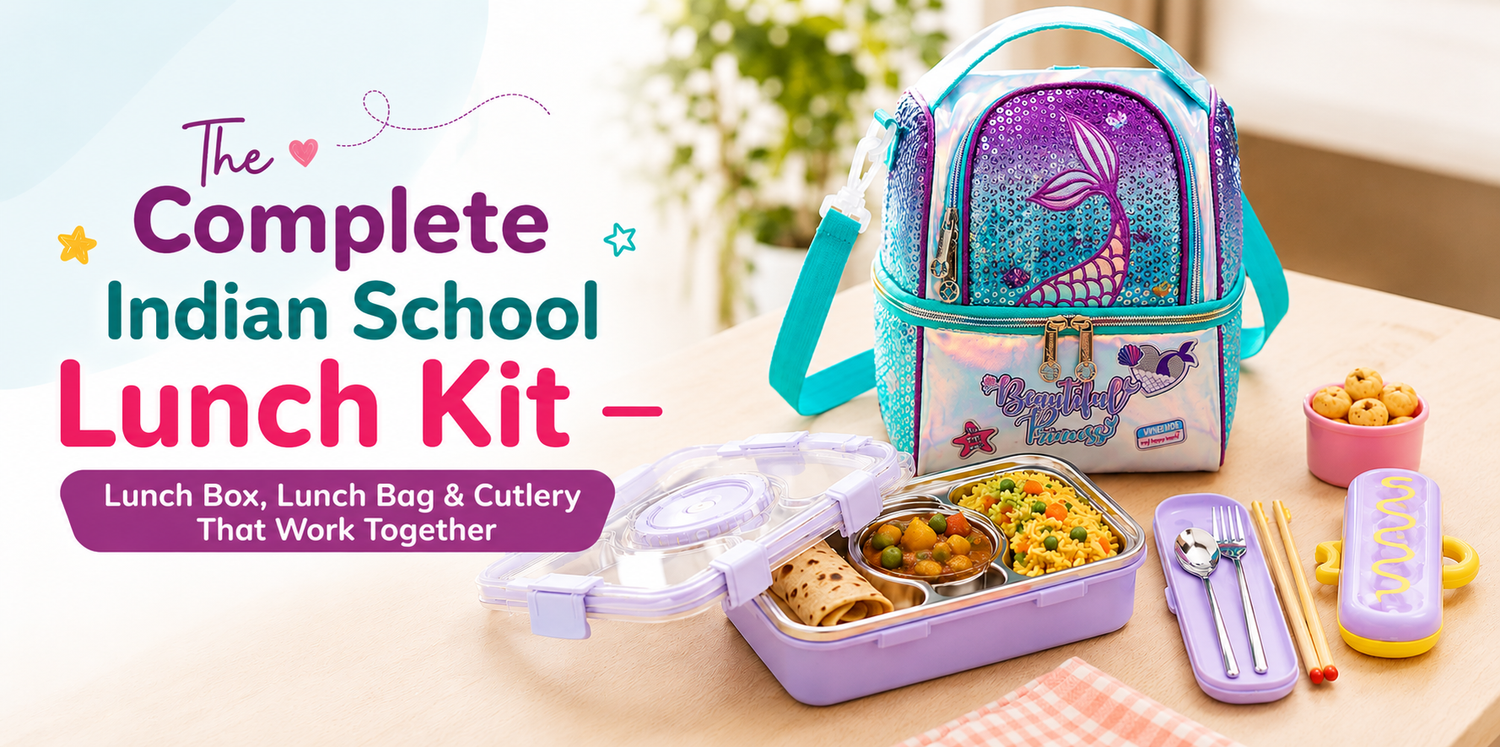
The secret isn't just buying a good kids lunch box, it's building a complete lunch kit where every piece works with the others. The right box, the right bag, and the right cutlery can turn chaotic tiffin mornings into something almost effortless.
Here's everything you need to know about putting together a school lunch kit that truly works.
Why Your Child's Lunch Kit Needs to Work as a System
Most parents buy a lunch box, stuff it in whatever bag is handy, and toss in a random spoon. Sound familiar?
The problem: a leaky box soaks the bag. A bag that's too big lets the box slide and tip. Cutlery that doesn't fit gets forgotten at the bottom of a school bag.
When your kids school lunch box, lunch bag, and cutlery are chosen to work together, you get:
-
No leaks or spills during transit
-
Food that stays at the right temperature
-
Less mess, easier eating for your child
-
A morning routine that takes two minutes, not ten

Choosing the Right Kids Lunch Box
The lunch box is the foundation of the whole kit.
What to look for:
-
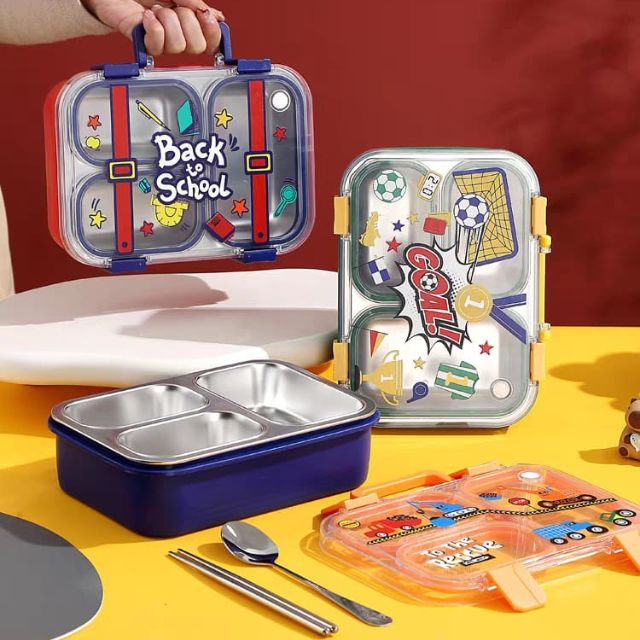
Stainless steel tiffin box: strong, food-grade, easy to clean
-
Leak-proof tiffin boxes: compulsory for any curry, dal, or gravy items
-
Compartments: maintain separation between roti and sabzi, fruits and rice
-
Appropriate size according to class: a tiffin box for Class 1 students doesn't require the same capacity as a Class 6 tiffin box
For younger kids (Classes 1–3), a two-compartment kids tiffin set for school works well. For older kids, a three-compartment stainless steel box gives more flexibility to pack balanced meals without everything mixing.
One practical tip: check if the lid opens easily with one hand. Kids shouldn't be wrestling with their lunch box in a crowded classroom.
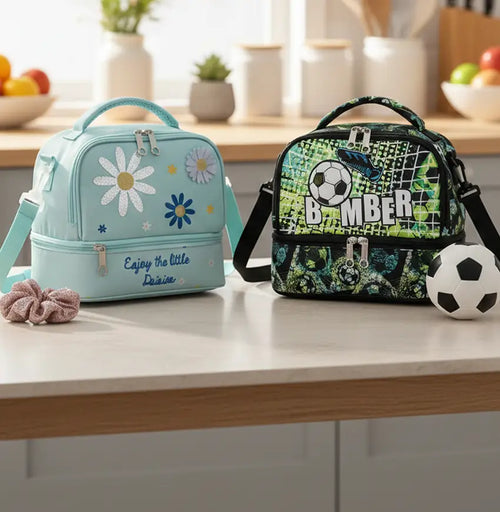
Why Insulated Lunch Bags Are a Game-Changer
A lunch box alone isn't enough, especially if your child's school day stretches past noon.
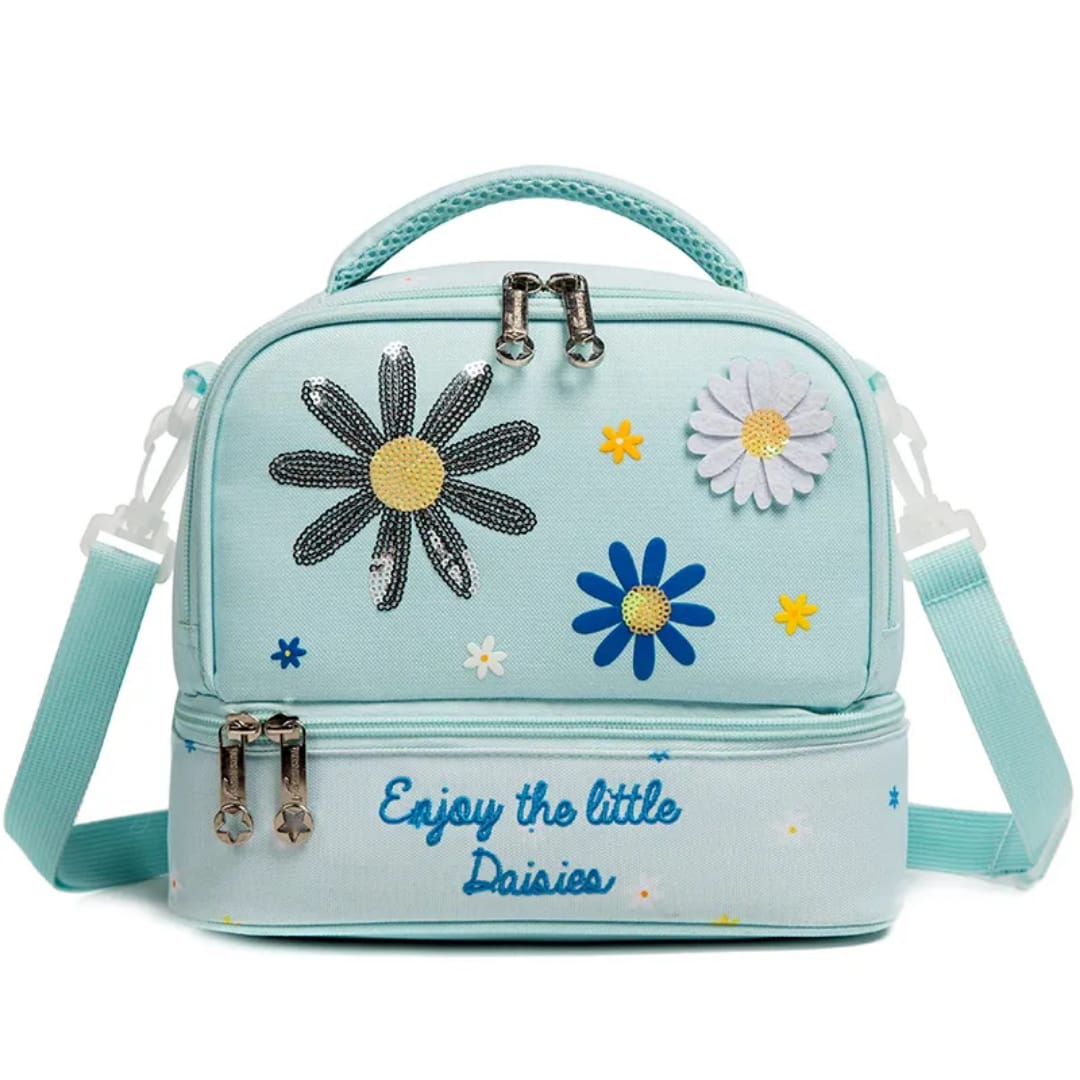
Insulated lunch bags keep food at safe temperatures for 4–6 hours. That means the curd rice you packed at 7 AM is still fresh (and safe) at 1 PM. The paratha doesn't go rubbery. The fruit doesn't sweat.
Beyond temperature control, a good insulated bag protects the lunch box from knocks and drops, which matters when you're dealing with school corridors and bus rides.
What to look for in a lunch bag:
-
Thick insulation lining (foil or foam-backed fabric)
-
Easy zip or velcro closure, a child can manage independently
-
A carry handle or detachable strap
-
Size that fits your lunch box snugly, not too loose
The best lunch kit for school pairs a stainless steel lunch box with a dedicated insulated bag sized to match. Some brands sell them as sets, which takes the guesswork out of sizing.
Picking the Right Kids Cutlery Set
This is the piece most parents overlook, and then wonder why the school is calling about a missing spoon.
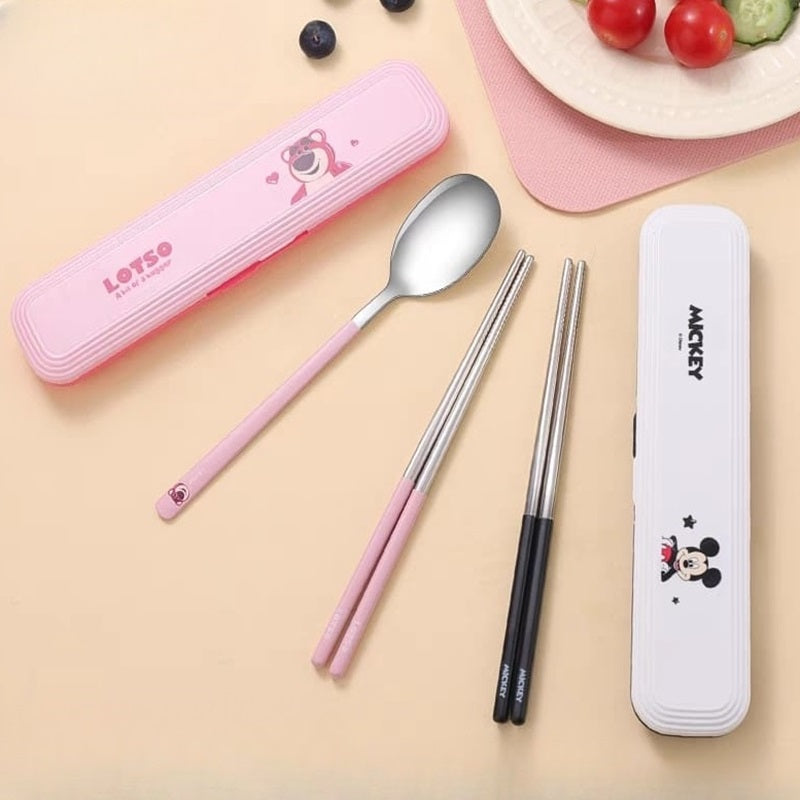
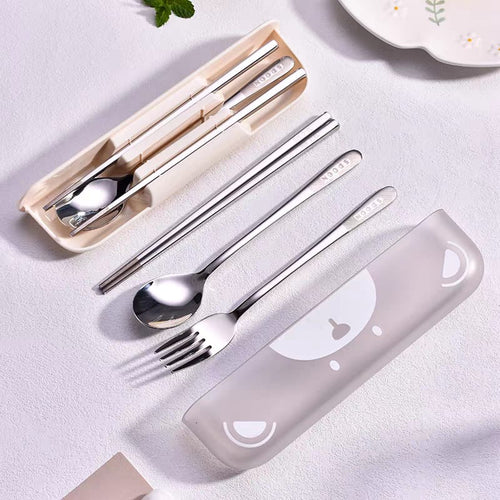
A kids cutlery set designed for school use is different from regular cutlery in a few important ways:
-
Shorter handles are easier for small hands to grip
-
Rounded edges safer for independent eating
-
Lightweight doesn't add unnecessary weight to a school bag
-
Comes in a case, so it doesn't get lost or contaminate the bag
For most Indian school meals, you'll need a spoon (for rice, dal, and desserts) and a fork. Some older kids also benefit from having a blunt-tip knife for snacks or wraps.
Look for sets in BPA-free plastic or food-grade stainless steel. Avoid cheap plastic sets that stain, warp, or crack after a few washes.
How to Build a Complete Lunch Kit That Works
Below is a quick list of how to create an optimized lunch box:
Step 1: Start by picking the lunch box. This should be done according to the needs of the kid, whether he or she is old enough or whether their appetite matches it.
Step 2: Pick the insulated bag according to the lunch box. It means that when packed, the box should fit well inside the bag and not move. When buying it separately, take the lunch box with you.
Step 3: Pick the cutlery to fit into the lunch box pocket and be easy to pack and carry.
Step 4: Pack the lunch box at home once. Try putting in a regular lunch and testing the closure of both the bag and box by turning the lunch box bag upside down.
A Note on Safety and Materials
If you're buying for young children, material safety matters.
Opt for BPA-free labels on anything plastic. For the lunch box itself, food-grade stainless steel is the safest and most durable option, no leaching, no staining, no fuss.
For the lunch bag, avoid cheap bags with strong plastic smells. The lining should be food-safe and wipeable.
Conclusion
An appropriately selected kids tiffin set for school should focus on the safety, freshness, and ease of access associated with food consumption. It should be noted that if all these items, the lunch box, the insulated lunch bag, and the kids cutlery set, are chosen as one set, there will be less effort spent on the replacement of broken or faulty items in each term.
Products such as MyneeMoe create well-designed lunch boxes with components that are designed to work well together, saving you the trouble of figuring out sizing and compatibility issues. It's worth getting a box that you can use right away without any hassle.
FAQs
Q1: What should a complete school lunch kit include?
A good school lunch kit comprises a leak-proof lunch box, an insulated lunch bag, and a portable cutlery kit with its carrying case. The above three constitute all the things you need for a convenient school lunch pack.
Q2: Are insulated lunch bags really necessary for school?
Yes, particularly for Indian environments. Lunch boxes with insulation will ensure that your food remains at safe temperatures for 4-6 hours, which is essential when dealing with dairy-based foods, cooked rice, and foods with gravy.
Q3: Is stainless steel better than plastic for a kids lunch box?
It is best to go for stainless steel as a material because of its durability and resistance to staining, odor absorption, and leaching harmful substances in food. This will be very beneficial in daily school usage.
Q4: How do I know if a lunch bag fits my child's lunch box?
Compare the inner dimensions of the bag with the size of your lunchbox. You need to make sure that the lunchbox can be placed perfectly within the bag without any extra room, as it may otherwise fall over and the contents spilled out.
Q5: What's the right cutlery set for a primary school kid?
A good set is one that includes utensils with a spoon and fork, round corners, short handles meant for little hands, and a carrying case. Metal or non-BPA plastic sets are both acceptable, but stay away from flimsy plastic utensils.