
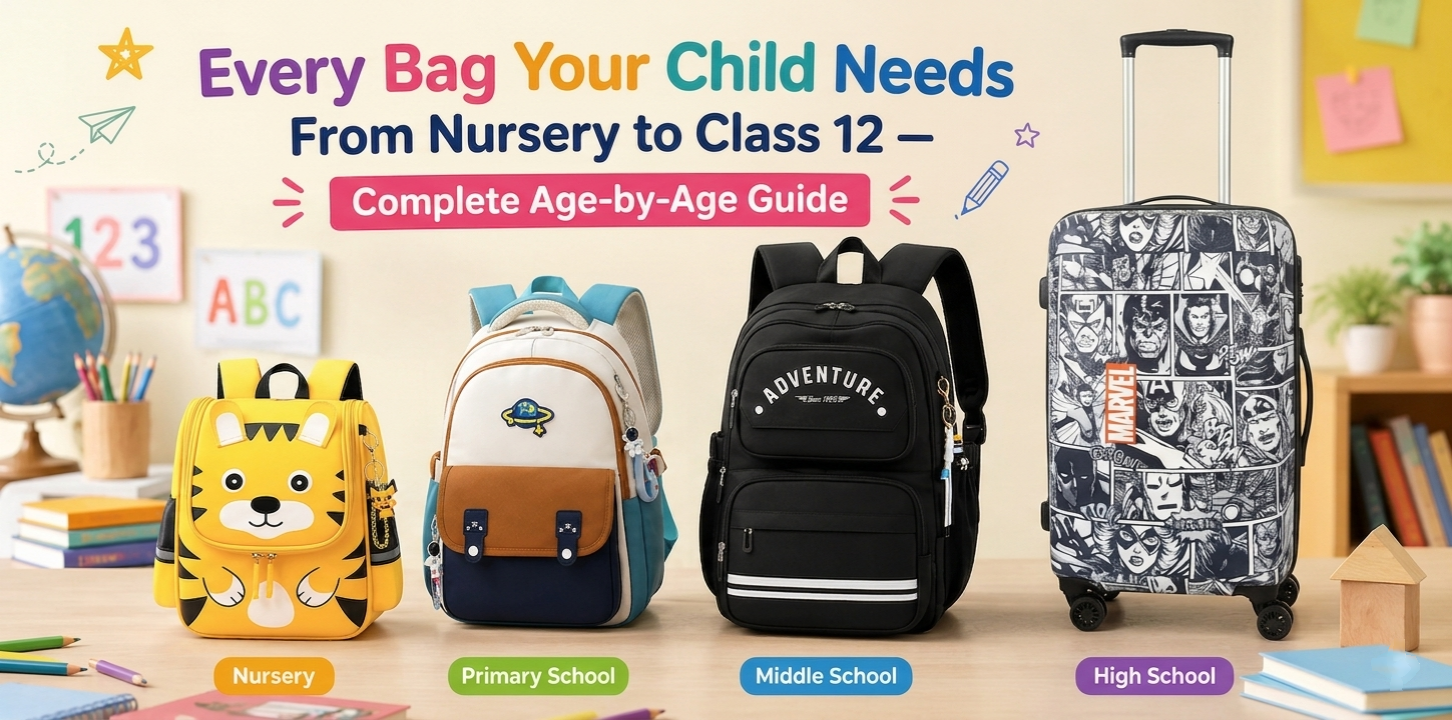
Your child's bag changes almost as fast as they do. What works at age 4 is completely wrong at age 14, and buying the wrong one costs money, causes back problems, and gets rejected the moment your child sees what their classmates are carrying.
A school bag buying guide sounds like a small thing, but get it wrong consistently, and you're dealing with slouched posture, lost stationery, broken zippers, and a child who refuses to wear the bag you spent good money on. Get it right, and the bag quietly does its job for two or three years, surviving monsoons, school buses, and everything in between. This guide maps the right bag to the right age, stage, and school need, from Nursery all the way to Class 12.
Nursery to KG (Age 2.5–5): Small Bags, Big Personality
Now, at this stage, it’s all about symbolism. The nursery child is carrying very little, just a small diary book, a bottle of water, maybe even an extra change of clothes.
The important things in this case:
-
Small size: no bigger than 28-30cm in height; too big is unbalanced
-
Lightweight: no heavier than 300g without any contents
-
Padded back: even if there is nothing inside, you need to protect that little spine
-
Wide and padded straps: narrow straps pinch the shoulder and constantly fall off
-
A fun design: because now they only wear what they like!
Capacity: 5–8 litres is plenty. Front pocket for a small snack or tissue pouch, main compartment for the rest.
Avoid rolling bags at this age; children this young aren't strong or coordinated enough to pull them safely.
Classes 1–3 (Age 6–8): The Real School Bag Begins
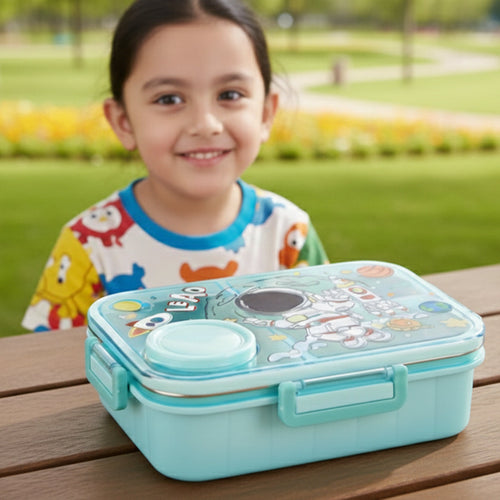
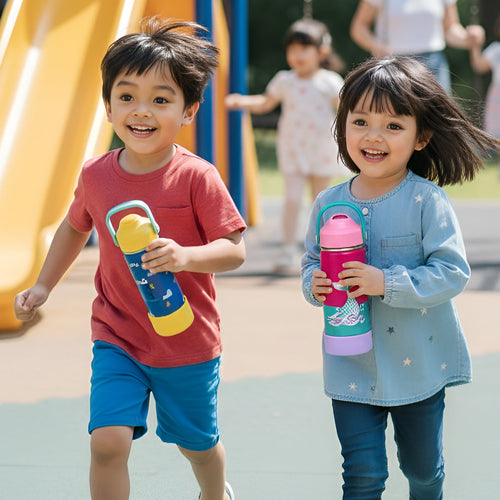
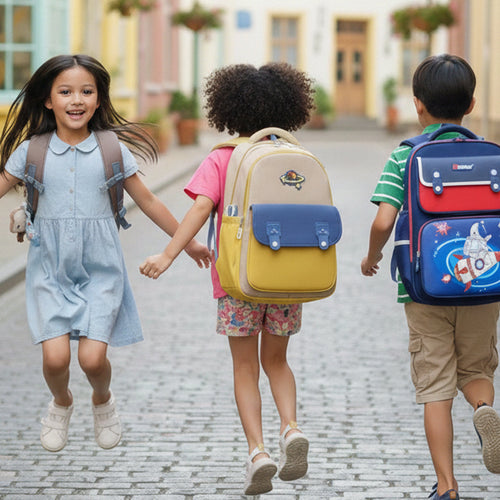
This is when kids school bags start earning their keep. Textbooks, notebooks, a lunch box, a water bottle, the load is real now.
What to Look For
-
Ergonomically designed back support: An S-shaped back panel ensures that weight is evenly distributed and the spine is protected in the important formative years.
-
Chest/waist belt: optional but extremely useful when you have to carry heavy gear on a petite frame.
-
Several pockets: a single large pocket, one smaller pocket at the front, and a special pocket on one side to accommodate the water bottle.
-
Water-resistant material: The rainy season doesn’t go easy on the backpacks.
-
High-quality zippers: YKK or something close. Cheap zippers last a month at best.
Capacity: 12–16 litres. Big enough for a full day's books without being comically oversized.
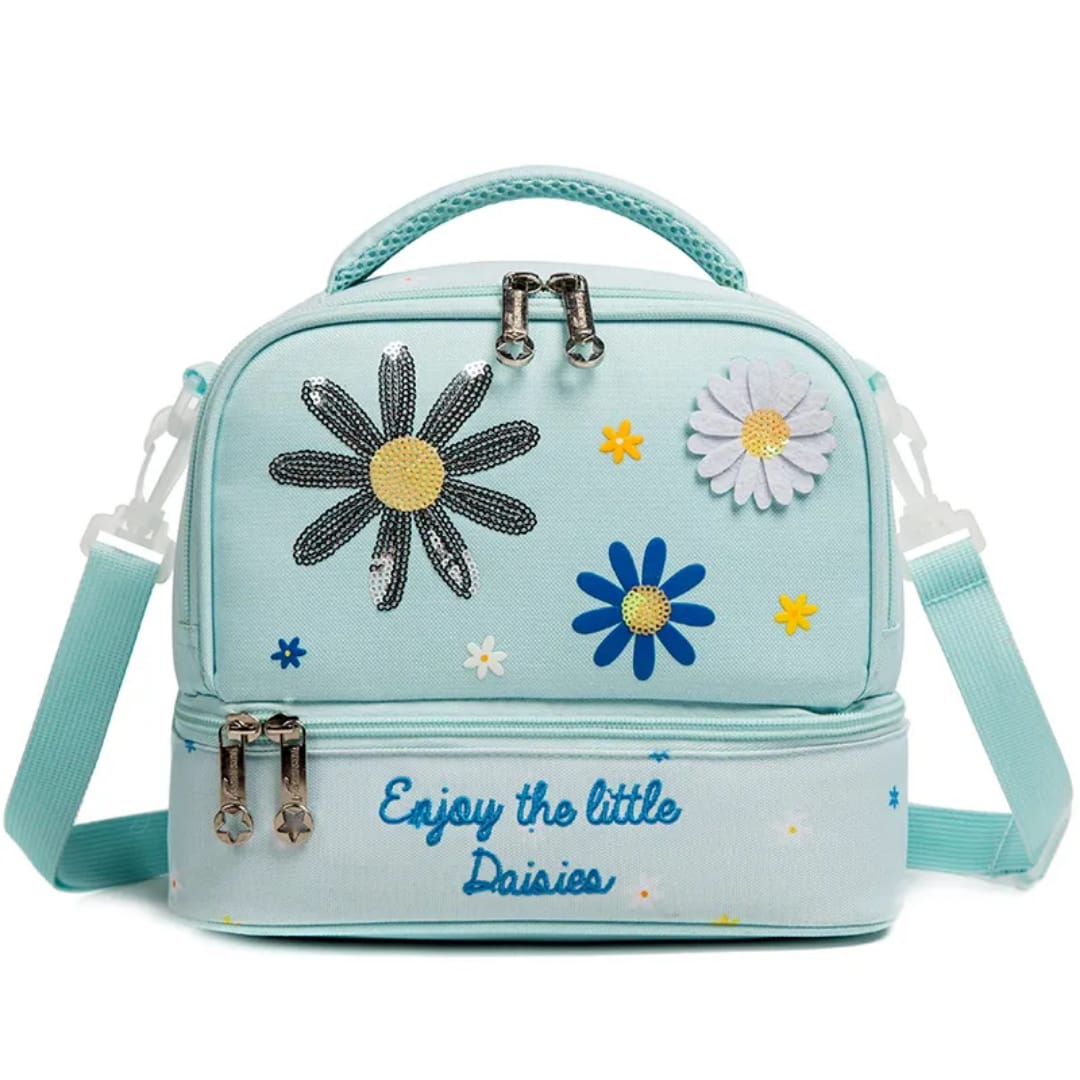
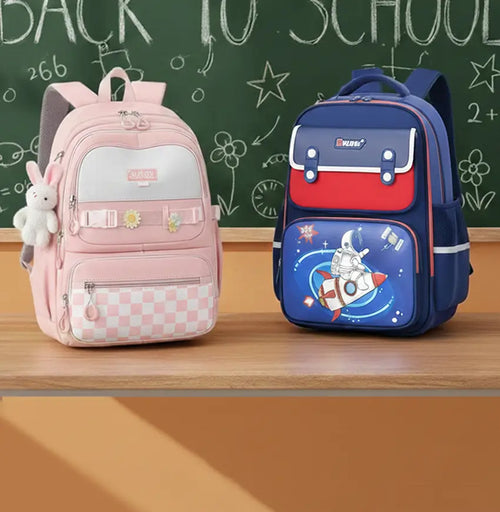
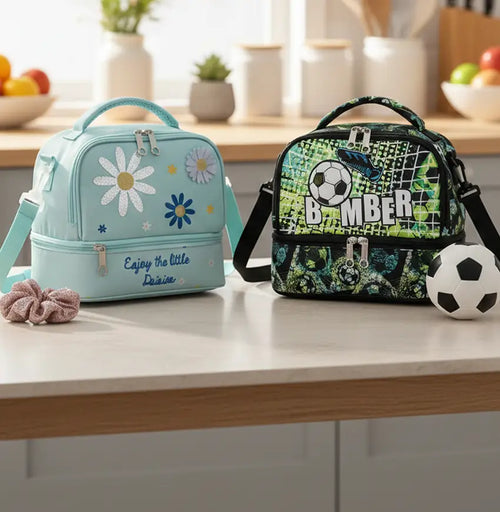
School bags for girls at this age often feature pastels, florals, and character prints. School bags for boys tend toward superhero themes, camo, and bold colours. Either way, licensed character bags (Marvel, Disney) are enormously popular and genuinely motivate reluctant bag-wearers.
Classes 4–6 (Age 9–11): More Books, More Demands
The load gets heavier. The child gets more particular about how they look. Both of these things matter now.
Key Upgrades at This Stage
-
Larger main compartment with a dedicated laptop or tablet sleeve, many schools introduce iPads or tablets at this stage
-
Organised interior: pen loops, key holders, and card pockets become genuinely useful.
-
Reflective strips: for children who travel early or late on buses
-
Stronger back system: mesh back panels with airflow channels reduce sweating during Indian summers
Capacity: 18–22 litres. The sweet spot for this age is enough room without the bag weighing on the child.
Classes 7–9 (Age 12–14): Style Meets Function
Tweens are painfully aware of how their bag looks. A bag they find embarrassing simply won't get worn, full stop.
At this stage, the design shifts from cute to cool. Clean, minimal aesthetics work well. Branded or licensed designs are still popular but lean toward sportswear aesthetics over cartoon characters.
What Changes Technically
-
Laptop protection is necessary as most of the students own either an issued one by the school or have their own laptop.
-
A rollable backpack is required due to the weight of books.
-
Individual pouches for easy access to transportation cards, phones, and earphones.
Capacity: 22–28 litres for a full day with books, device, lunch, and water.
Classes 10–12 (Age 15–18): Student Bags and Beyond
By Class 10, the line between school bag and adult bag is thin. Students want something that works in a classroom, a tuition centre, and eventually a college or exam hall.
This is where the best laptop bags for students enter the picture properly.
The Right Bag for Senior Students
-
Laptop backpack (15-17 litre): Padded laptop pocket, organized front pocket, USB charger on certain models
-
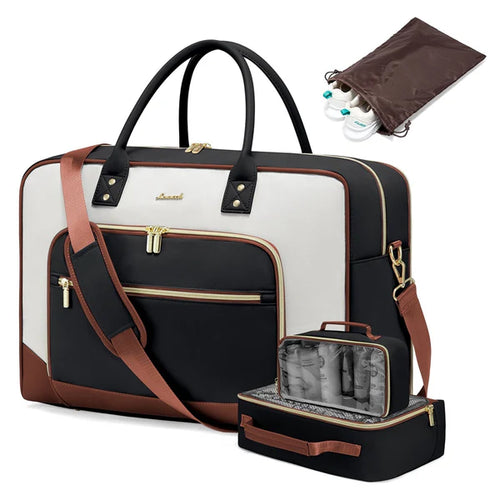
Compact tote or shoulder bag: For students who do not want to lug around a full backpack for lessons or coaching
-
Strong enough for everyday use: Base reinforcement, quality zippers, water-repellent base material
The bag will now serve an important role as an identity marker as well as a utility bag. Minimalist styles available in black, navy, and olive can be used by both men and women.
The Travel Bag: What Every Child Needs for Trips
Separate from school bags, every child eventually needs a dedicated travel bag.
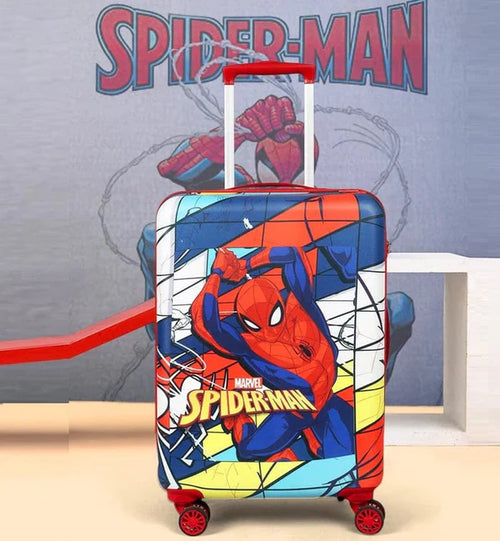
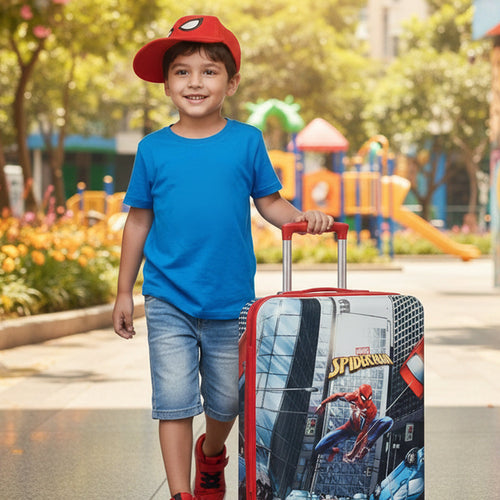
A kids travel bag or kids suitcase becomes relevant from around age 4–5, when family travel increases and children start managing their own belongings.
Choosing the Right Kids Suitcase
-
Hard-shell with spinner wheels: more durable and easier to pull than soft-shell options
-
Lightweight frame: kids shouldn't be fighting their luggage
-
Right size: cabin-size (18–20 inch) is right for most children up to age 12
-
Fun design: Disney Frozen, Spider-Man, and similar licensed designs make kids genuinely excited to travel
For day trips and short overnight stays, a kids travel bag in a small duffel or backpack format works better than a full suitcase, easier to carry, easier to pack.
Conclusion
A properly selected bag will ensure that your kid's body postures remain safe, keep them organised, and save a lot of time on an otherwise tough routine every morning. Right from the small nursery bag to the large bag of Class 12 kids, there is a lot to learn.
MyneeMoe offers a thoughtfully designed range of kids school bags, travel bags, and student backpacks that cover every stage in this guide, built for Indian schools, Indian climates, and the very real demands of childhood. One brand, every stage.
FAQs
Q1: At what age should kids start using a proper ergonomic school bag?
Since Class 1 (at the age of 6), it is the point at which there is enough burden of textbooks to influence the posture. Ergonomic back panels with padding and adjustable straps are essential from this point onwards.
Q2: How heavy should a school bag be for primary school kids?
A child's fully packed school bag should not exceed 10–15% of their body weight. For a 25kg child, that's 2.5–3.75kg maximum. If the packed bag exceeds this, consider a bag with a waist strap to redistribute the load.
Q3: Are rolling school bags good for kids?
Rolling backpacks lessen strain on the back but are not suitable for very young children under the age of 10 due to their inability to handle them properly on rough terrain, stairs, and busy hallways. They are more suited for students from Class 7 and up.
Q4: What's the difference between school bags for girls and boys at the primary age?
Practically, there really isn't any difference; the ergonomic needs are essentially the same. There is only an aesthetic difference in most cases. Girl bags usually have soft color schemes and prints of flowers and characters, while boy bags tend to be in bolder colors, with camouflage and superheroes on them.
Q5: When should students switch to a laptop bag?
From Class 7-8 onward, when the school starts handing out tablets or the kids themselves start bringing laptops to school. At this stage, a special padded laptop bag in the book bag or even a laptop backpack becomes necessary for protection.