



Are You Using the Right Bottle for Your Child's Age?
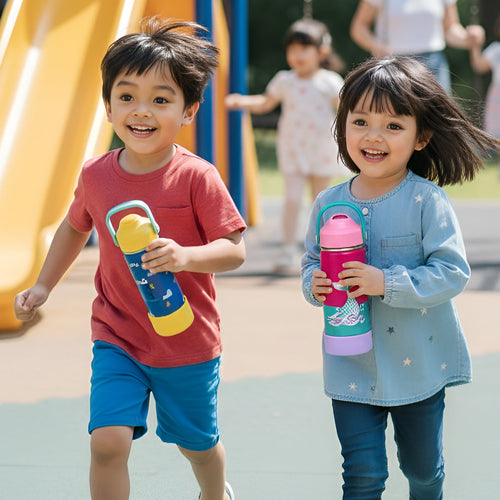
Are You Using the Right Bottle for Your Child's Age?Because your 4-year-old deserves better than a leaky lid and a tantrum mid-park. You wouldn't give a new baby a full-sized backpack, would you? So why hand them a bottle that's not their size? From dribbles to sips and eventually gulps, picking the right water bottle for your child isn't merely about color or cuteness; it's about comfort, safety, and the right age-friendly design. Let's crack the bottle journey—from water bottle sipper baby to the hippest water bottle for big kids who fancy they're in charge of the world. Best Quality Water Bottles Recommended by Us {{ featured_products }} The Bottle Milestone Map 1. For Infants (0–12 months): It's all about gentle sipping and gradual transitions at this age. A water bottle for infants must be soft-spouted, spill-proof, and easy for tiny hands to grip. No straw bottles—babies aren't developmentally ready yet. 2. For Toddlers (1–3 years): Welcome to the chaos zone. Your toddler is now on the move and inquisitive. Look for kids water bottle models with soft straws, flip tops, and handles. Durability is paramount—because dropping it 47 times a day is completely normal. 3. For Preschoolers (3–5 years): They crave independence. You crave no spills. Select a water bottle sipper that features a straw or easy-sip mouth, and ideally a fun design they won't misplace at the playground. 4. For School-Aged Children (5+ years): It's all about function and style now. The most popular water bottle in school will come with insulation, a streamlined design, and something to be proud to display. Bonus if it is small enough to fit in the side pocket of the backpack and not leak on their homework. Why Size, Material & Design Matter Material check: BPA-free plastic or stainless steel is safest. Size test: Not too huge or too bulky. Children shouldn't require two hands and an oxygen tank to pick up their water bottle. Design test: Simple to open, wash, and consume from. Remember: the inappropriate bottle can bring about poor drinking habits or worse—no hydration drama at all. Sip Happens—Choose Smart! It's not simply about drinking water—it's about the way they drink it. Whether your little one is getting their first sip or your school-aged kid is protecting their coolest water bottle like it's gold, the proper bottle comes into play. Need assistance selecting the correct one? Browse through MyneeMoe's entire age-appropriate range of children's water bottles right here. Hydration goals: achieved. Frequently Asked Questions (FAQs) : 1. Can I gift a straw water bottle to my 6-month-old? Not the best! At that age, a water bottle for infants with a soft spout is more developmentally suitable than one based on a straw. 2. What is the safest material to use for a kid's water bottle? Stainless steel or BPA-free plastic are both excellent options. They're strong, easy to clean, and safe for daily water bottle use. 3. Are fashionable bottles all about looks? Nope! A coolest water bottle is usually well-designed too—be on the lookout for ergonomic shapes, secure lids, and insulation for all-day freshness. 4. My toddler chews the straw—what can I do? Opt for a silicone straw that's chew-friendly or a hard-spout alternative. Some kids water bottle brands have replacement straw parts available as well. 5. How often should I clean my child's water bottle? Daily! Even if it’s just water inside, a quick wash keeps germs away. For kids' water bottles used for milk or juice, a deeper clean is a must. 6. Can a water bottle sipper leak in school bags? If it’s poorly designed, yes. Look for water bottle sipper options with secure lids and leak-proof valves, especially for younger kids. 7. Is it okay to use a large bottle for a toddler? Not ideal. A bulky water bottle may be hard for small hands to manage and discourage hydration. Go for a size appropriate to their grip and daily needs. 8. What’s the best travel water bottle for infants? A compact, spill-proof water bottle for infants with a soft spout is best. It should be lightweight and easy to use for both baby and parent on the go.
READ MORE
Looking for the Perfect Mother’s Day Gift? Go for Practical Over Predictable
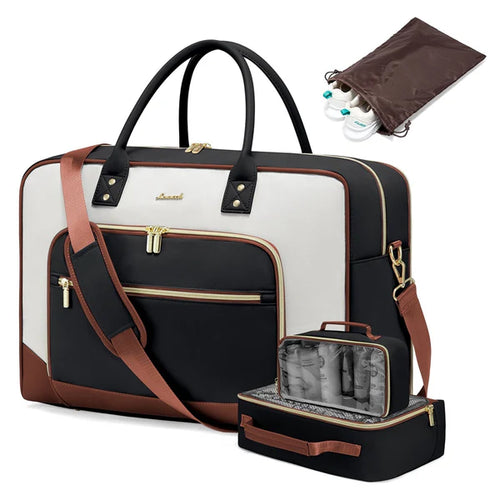
Looking for the Perfect Mother’s Day Gift? Go for Practical Over Predictable Mother's Day is coming up, and let's face it, moms across the board have too many mugs, photo frames, and fridge magnets. This year, why not take a different path? Ditch the fluff and frills. It's time to give her something she'll use daily. We’re talking about gifts that say “I know your hustle” — like a thoughtfully designed office lunch box, elegant laptop bags for women, or multipurpose tote bags for women that look as good as they perform. Because moms don’t just need cute, they need clever. Why Practical Gifts Win (And Warm Hearts Too) Let's be honest. Moms are calendar superheroes. Between work meetings and school pickups, breakfast prep and hydration checks, their to-do lists go on forever. So when you present her with something that truly makes her day less complicated, you're not giving a gift, you're lending her a helping hand. Now that’s influence. 1. The Game-Changer: A Modern Office Lunch Box Those days of boring, bulky dabbas are over. The modern office lunch box has had a serious glow-up — think sleek compartments, spill-resistant lids, microwave-friendly material, and insulation that keeps food warm for hours. Moms often skip meals or settle for a snack on the go. But gifting her a smart office lunch box? That’s a reminder to slow down, eat well, and care for herself, even amidst back-to-back Zoom meetings and perpetual errands. Look for compact designs that slip easily into a handbag or backpack without creating a mess. Bonus points if they’re easy to clean and match her aesthetic. Top-Rated Insulated Lunch Boxes for Office Lunches {{ featured_products }} 2. Professional & Polished: Stylish Laptop Bags for Women "A laptop bag that's both stylish and smart?" Yes, please! Whether she’s rushing to the office, working from her favorite café, or attending a parent-teacher meeting between client calls, women with laptop bags that balance fashion and function feel more confident and put-together. Choose laptop bags for women that are lightweight yet sturdy, padded for tech safety, and have clever compartments for chargers, notebooks, cosmetics, and of course, snacks. A quick spritz of perfume? There’s space for that too. From sleek tan leather to modern canvas with bold zippers, these bags are gifts that say: “Go conquer your day, queen.” 3. The Timeless Wonder: Tote Bags for Women That Do It All If there’s one bag that every mom deserves in her arsenal, it’s the iconic tote. Durable, versatile, and stylish, tote bags for women are the MVPs of everyday life. Perfect for grocery runs, gym sessions, weekend trips, or carrying toddler toys, a well-designed tote does it all. Look for water-resistant fabrics, comfy shoulder straps, and we beg you, interior pockets to avoid the black hole syndrome. Want to level it up? Personalize it with her initials, a custom keychain, or a quote she loves. Thoughtful touches like these make everyday things feel extraordinary. 4. Wrap It All Up in a Self-Care Bundle Why pick just one when you can create a care package? Build a thoughtful bundle: start with a stylish office lunch box, pair it with one of our smart laptop bags for women, throw in a compact tote bag for women, and finish with a handwritten note. Add small joys like green tea sachets, a soothing balm, or her favorite lip tint. Now you’re not just giving her gifts, you’re upgrading her lifestyle. Need a Sturdy Laptop Bag for Daily Commutes or Travel? {{ featured_products_2 }} This Mother's Day: Celebrate Her Practical Magic Roses are sweet. But a gift that makes her day smoother? That’s unforgettable. This Mother's Day, honor her strength and love by gifting tools that make her feel seen, supported, and celebrated. Because the best gifts aren't always sparkly, sometimes, they’re the ones that say: “You do so much, this is for you.” So, whether it’s a chic office lunch box, a stunning laptop bag for women, or those roomy, ready-for-anything tote bags for women, choose a gift that counts. From all of us at MyneeMoe — cheers to all the moms who do it all and still manage to show up like queens. Happy Mother’s Day! Frequently Asked Questions (FAQs) : Practical Gifts for Mom, Answered 1. Are office lunch boxes actually that much different from the regular ones? Absolutely! Modern office lunch boxes are leak-proof, lightweight, microwaveable, and often insulated. They’re built for daily hustle and help moms eat warm, healthy meals with zero fuss. 2. What makes laptop bags for women special? These bags are built to balance function with fashion. Laptop bags for women are often more compact, stylish, and include extra compartments for everything from notebooks to lipstick. They’re sturdy, elegant, and mom-friendly. 3. Can tote bags for women replace laptop bags or purses? 100%. Many tote bags for women now feature laptop sleeves, zip pockets, and reinforced handles. They're multitaskers, just like moms, and can easily double up as work bags or daily companions. 4. I’m not sure about her style. Will she still like these gifts? Totally. Go for neutral shades like charcoal, tan, or navy — they’re universally loved. Or make it personal with monograms, custom straps, or a small charm that reflects her vibe. 5. How do I make these practical gifts feel more heartfelt? Add your personal touch! Include a handwritten card, a cute badge, a keychain with an inside joke, or her favorite snack. The combo of usefulness and affection? That’s next-level gifting. Our Top Picks: Best Quality Office Lunch Box, Laptop Bags and Travel & Tote Bags {{ featured_products }}
READ MORE
Why Does Your Water Bottle Smell Even After Repeated Washes?
Why Does Your Water Bottle Smell Even After Washing Repeatedly? Sniff sniff. What's that stink? Oh no, it's your water bottle, again?!Let's be real, there's nothing that can ruin a good drink like a strong smell wafting up your nostrils. You've washed it, scrubbed it, aired it, and still. The smell is living rent-free. So why do water bottles get a smell even when you've washed them several times? Let's break it down and sanitize. The Mystery of the Stinky Bottle Bacteria Love Dark, Wet PlacesEven the most adorable kids' water bottles are the playground of choice for bacteria. If you don't dry them, your bottle is a germy paradise of humidity. And let's guess what? Bacteria = stench. You're Missing the Tiny SpotsThat little straw in your drinking bottle or that rubber ring in the cap? Yes, those out-of-sight areas are stink hotspots. Lingering remains of juices, protein drinks, or even regular water can stink when clogged. Material Makes a DifferenceTrendy water bottles made of low-grade plastic tend to trap odors. Stainless steel? Great. BPA-free? Even better. Smell-trapping materials are usually the cause of the odor drama. Water Bottles in Trendy Colors and Designs {{ featured_products }} New Bottle? Same Mistake. Recently bought a new water bottle and already catching a whiff of "what the heck?" It isn't necessarily the bottle, it's how you're rinsing it out. Shallow repeated rinsing just does not cut it. Deep cleaning is the solution. How to De-Stink Like a Pro Baking Soda + Warm Water: Your new best friend for a water bottle. Let it sit overnight, and add mystery odors. Vinegar Rinse: Nature's disinfectant. Vinegar and warm water, shake it up, rinse it out. Dry Thoroughly: Always air dry your bottle completely before closing the lid. Moisture + darkness = bacteria hotel. Brush In: Buy a long brush for your drink bottle or straw cleaner for small spaces. Children's Water Bottles: Special Care Needed Children are liable to have half-full bottles lying around. That orange juice you opened last week? Now it is a stinky chemistry experiment. Train your wee ones to rinse morning and night, and for little young'uns—demand an evening full bottle inspection. Frequently Asked Questions (FAQs) : 1. Why do my water bottles smell like plastic even when new? That's typically a sign of poor plastic or manufacturing quality. Use BPA-free or stainless steel water bottles for higher quality and no chemical odors. 2. How often should I wash my drink bottle? Every day! Particularly kids' water bottles. Even if it's just water, cleaning regularly keeps the bacteria away. 3. Do fashionable water bottles still smell after some time? Yes, unfortunately. Style does not replace cleanliness. Even trendy, stylish water bottles must be well cleaned to remain fresh. 4. What is the best bottle material for odor avoidance? Stainless steel is the best when it comes to odor resistance. Plastic lovers can opt for BPA-free water bottles and avoid storing juices inside for long durations. 5. My bottled water has an odd taste after a few hours. Why is this? Bacteria and residue, even small ones, can impact the flavor. Your water bottle should be washed and dried well. No More Sniff Surprises Your water bottle should be scent-free—or, at least, scent-fresh itself. Whether it's the persistent odor in kids' water bottles or the looming shadow of last night's smoothie in your stunning, stylish water bottles, a proper cleaning and finding the correct material matter. So, if the nose drama is over, maybe it's time for a bottle upgrade. Take a look at odor-resistant, stunning drink bottle options at MyneeMoe's Water Bottle Collection—and drink in bliss.
READ MORE
What Do Working Moms Really Want for Mother’s Day? Gifts That Simplify Her Routine
What Working Moms Want for Mother's Day: Gifts That Streamline Her Routine Forget the scented candles and cards this Mother's Day, working moms are exhausted (yes, literally) and need function over fluff. This Mother’s Day, let's speak about real gifts. The kind that actually make a difference for her to sail through her 9-to-9 in style, sanity, and a little attitude. Ready? Here are the real-life heroes she'll use and love. 1. Lunch Box for Office: The Tiffin Upgrade She Deserves Not all lunch boxes are equal. The ideal lunch box for office must be leakproof, small, and chic enough to adorn her desk. Bonus points if it warms food without turning it into a mushy disaster. 2. Bento Lunch Box: Her Inner Organizer's Dream Does she meticulously plan her day to the last minute? She will be swept off her feet by a bento lunch box. With its tidy compartments for dal, sabzi, salad, and surprise goodies, meal prep has never been so stylish. 3. Thermos Flasks: Hot Coffee, Anytime Cold coffee at 4 PM? No, thank you. A thin thermos flask keeps her coffee or green tea warm during client calls, team meetings, and traffic congestion. Because she can have her sip precisely the way she prefers it—warm and bold. 4. Stainless Steel Water Bottle: Hydration, but Make It Classy She's got a hundred things going on—hydration doesn't need to be one of them. A rugged stainless steel water bottle keeps her fueled, green, and radiant (inside and out). 5. Laptop Bags for Women: Style and Protection Combine practicality and elegance with laptop bags for women. Expect padded compartments, stylish exteriors, and comfortable straps for carrying your laptop with ease. 6. Tote Bags: Effortless Organization The essential all-in-one bag, a stylish tote bag, seamlessly carries work materials, lunch, and daily essentials, ideal for work, errands, or leisure. Spacious & Stylish: Travel Tote Bags You’ll Love {{ featured_products }} Final Thought Ditch the glitter pens and scented lotions. Give her something that says:"I see your chaos—and I support your hustle."Because the greatest gift is one that makes her life a little simpler every day. Frequently Asked Questions (FAQs) : What Moms Want 1. Why choose a bento box over a standard lunch box? Bento lunch boxes prevent food from mixing and becoming soggy, ideal for those who prefer organized meals. 2. Is stainless steel better than plastic for water bottles? Yes. Stainless steel water bottles are more durable, toxin-free, temperature-resistant, and aesthetically pleasing. 3. What features are important in women’s laptop bags? Prioritize padded laptop pockets, adjustable straps, sufficient space for work essentials, support, and style in laptop bags for women. 4. What should I consider when selecting laptop bags for women? Look for padded laptop compartments, adjustable straps, and ample room for work essentials. Laptop bags for women should be stylish as well as supportive. 5. Can a tote bag replace a traditional office bag? Yes! A large tote bag can be a stylish and spacious alternative, accommodating documents, snacks, and even a stainless steel water bottle.
READ MORE
Are Sipper Bottles Actually Leak-Proof or Just a Marketing Gimmick?
Are Sipper Bottles Leak-Proof or Just a Marketing Gimmick? Have you ever had your bag soaked simply because your so-called "leak-proof" bottle didn't cut it? We all have. As loud as products become with what they can do, it becomes increasingly difficult not to wonder, are sipper bottles leak-proof or just a marketing slogan? Let's loosen the hype and pour out the truth. Best Premium Quality Sipper Bottles Recommended by Us {{ featured_products }} The Rise of the Sippy Bottle Craze Those days of plain plastic bottles that leak the moment you tilt them are gone. Today’s sipper water bottles, however, vow style, convenience, and most importantly, no leaks. From a water bottle with a straw for the gym enthusiast to an insulated water bottle for those scorching chai sessions, the market is abuzz with options. But then there is an exception—not everyone is created equal. Insulated Thermos Bottles Perfect for Daily Use {{ featured_products_3 }} So, before you toss another bottle into your cart just because it's “cute” or “trending,” it’s time to understand what makes a water bottle leak-proof. The Anatomy of a Leak-Proof Sipper Bottle What makes a true leak-proof water bottle different from the ones that splash your trust away? Silicone Seals & Lock Lids – The leak prevention hero. High-quality sipper bottles feature vacuum-sealed lids and food-grade silicone rings to prevent any drips. Straw Mechanics – A sipper water bottle with a straw must have a valved straw. Cheap ones usually leak from the straw, not the lid. And that’s exactly where most people get fooled. Material Matters – BPA-free plastic or high-grade stainless steel? The material can assist in deciding how well your sipper water bottle can hold up over the long term. It also influences insulation and durability. Pro tip: Companies like MyneeMoe's Sipper Collection have such leak-stopping technology in mind. Engineered with the modern user in focus, they combine form and function without compromise. Marketing Gimmick or True Innovation? Sincerely, it's both. Some companies make cool insulated water bottles with excellent seals, while some just throw in the “leak-proof” label as a buzzword. To avoid being tricked, make certain to perform the "shake test". Fill your water bottle, tighten the lid, and shake it like you mean it. Also, view real user comments (not just the glitzy product write-up). What customers say about actual use matters more than fancy branding. When Leak-Proof Becomes a Lifestyle Advantage Think of the freedom: Popping your sipper bottle into your bag without hesitation Children playing with it without making the floor a water park Drinking hot chai or iced coffee from your insulated water bottle, not a drop spilled Leak-proof is not just a product characteristic. It’s a lifestyle flex. Whether you’re heading to work, the gym, or a road trip, a trustworthy water bottle with a straw can save you from messy disasters. Last Drop So, are sipper bottles leak-proof? The good ones are. But not all bottles are. The secret is knowing what to look for. Choose quality, try before you trust, and if in doubt, go for brands that back up their guarantee with performance. Ready to sip smart? Browse the carefully curated leak-proof champions at MyneeMoe's Sipper Collection and make your next water bottle say zero-leak confidence. Browse Our Quality Water Bottles {{ featured_products_2 }} Frequently Asked Questions (FAQs) : 1. Are sipper bottles with straws leak-proof? No, not all of them. Only high-quality sipper water bottles with quality valve systems are truly leak-proof. 2. Are insulated water bottles more leak-prone than plastic ones? Not necessarily. A well-designed insulated water bottle is usually more resistant and leak-proof than most plastic bottles. 3. What should I look for when buying a leak-proof water bottle? Look for close-fitting lids, silicone seals, and read reviews. If it's a water bottle with a straw, ensure the straw has a secure valve. 4. Can kids use leak-proof sipper bottles safely? Oh, yes! They're ideal for children who tend to knock things down. Plus, many sipper bottles are designed ergonomically for easy grip and sip. 5. How do I clean a sipper water bottle to keep it leak-proof? Regular cleaning with warm, soapy water helps maintain the seal quality. Pay special attention to the lid and the silicone rings of your sipper bottle, as dirt buildup can affect the leak-proof mechanism. 6. Can I put carbonated drinks in a sipper bottle? It depends. Most water bottles aren’t designed for fizzy drinks, as pressure buildup can cause leaks, even in “leak-proof” designs. Always check the manufacturer's recommendations. 7. Do sipper bottles lose their leak-proof quality over time? Yes, especially if the silicone seals wear out or the bottle takes damage. With proper care, high-quality sipper bottles can last a long time without losing functionality.
READ MORE
Are You Buying the Right-Sized School Bag for Your Kid's Daily Needs?
Are You Buying the Right-Sized School Bag for Your Kid's Everyday Needs? Let's put it into context.Your kid is dressed for school, shoelaces tied, hair in place, all set to tackle the day until you turn over their school bag. It's either flopping on the floor or overflowing at the zippers, just like a miniature suitcase on holiday. Sounds Familiar? Buying the right-sized kids' backpack isn’t just about looks, it's about your child’s comfort, daily needs, and even posture. And trust us, it’s not a one-size-fits-all situation. At MyneeMoe, we believe that the perfect school bag is part utility, part magic, and your child’s vibe. So let’s help you find the one that is a perfectly sized, ultra-functional, and super cute school bag your kid deserves. Trendy & Tough School Bags Kids Will Love {{ featured_products }} 1. What’s In Their Daily Backpack Load? Is your child lugging: 3 books, a diary, and a homework folder? A lunchbox (love-filled parathas)? A water bottle side pocket? A wee mountain of stationery? Then your little student requires a bag that's got room to breathe. Opt for multiple compartments, rugged zips, and a place for everything (so nothing gets crushed, particularly the roti rolls). Looking for a Durable Water Bottle? Start Here {{ featured_products_3 }} 2. Size: Not Too Big, Not Too Small, Just Right Goldilocks comes to mind. The backpack should be at waist level, neither halfway down their legs nor hanging from their back. Here's a cheat sheet: Tiny Tots (Pre-K to Grade 1): Small bags, 8–10" tall Busy Bees (Grades 2–4): Medium, spacious, but light Big Champs (Grades 5+): Larger bags, 15"+, for more books and sports equipment Bigger isn't always better—unless you want your child to be lugging the weight of the world (and a lunchbox) around on their shoulders. Backpacks That Balance Comfort & Capacity {{ featured_products_2 }} 3. Compartments: The Secret to Chaos-Free Mornings A messy kid's backpack = lost notebooks and mystery sandwich drips.Search for: Individual book/lunchbox compartments Zip pockets for "treasures" (i.e., rubber bands and erasers) Side mesh pockets for a water bottle It's the little compartments that save big mornings. 4. Comfort is the Ultimate Cool The ideal school bag is like a comfortable hug, not a fight. Pick: Shoulder straps that are padded to ease strain Breathing backs (wet backs are no good) Flexible, light material Dashing to the bus? Check. Sitting out 6 periods? Check. Feeling great afterward? That's a win-win! 5. Fun + Function = Perfect Bag Why do something dull when you can make your child's bag reflect their personality?From jungle prints to unicorns in their dreams, MyneeMoe bags are created to make children proud and happy to carry them to school each day. Bonus: They're constructed to withstand tug-of-wars, snack-time bomb eruptions, and the occasional dragon-slaying recess adventure. Frequently Asked Questions (FAQs) : 1. How do I choose the correct size school bag for my child? Begin with their height and everyday routine. If it appears like a backpack to go hiking with your child, it's too large. MyneeMoe bags are fitted by age groups for the ideal size. 2. Which children's backpack is best suited for water bottles? Opt for one that has side pockets for water bottle. Our bags have elastic mesh holders to support beverages upright and readily accessible. 3. What do I want in a school bag for little ones? Prioritize lightness, soft straps, simple zippers, and a cool design, they'll be happy to carry. 4. Are MyneeMoe school bags washable? Absolutely! Our school bags are wipe-clean friendly, and most are hand-washable as well. Because life is messy (and so is jam). 5. When do I need to replace my child's backpack? If the zips fail, straps wear out, or it just doesn't fit anymore, it's time. We suggest replacing it every school year or when your child experiences a growth spurt. 6. What sets MyneeMoe kids' backpacks apart? Every kids backpack is made with love, imagination, and kid-tested toughness. Chic on the outside, clever on the inside—just like your mini-me. 7. Back-to-School Style, Ready? Don't just accept a school bag—make it a vital part of your child's school life. At MyneeMoe, we have a range of backpacks that suit your child's comfort, needs, and personality. Whether they require extra space for the expanding library of books or one that can withstand the lunchtime mess, we've got you covered. Selecting the perfect kids backpack is not just a buy,it's about fueling your child's school adventure, one comfortable, tidy, and cool bag at a time. Ready to discover "the one"? Browse the range now!
READ MORE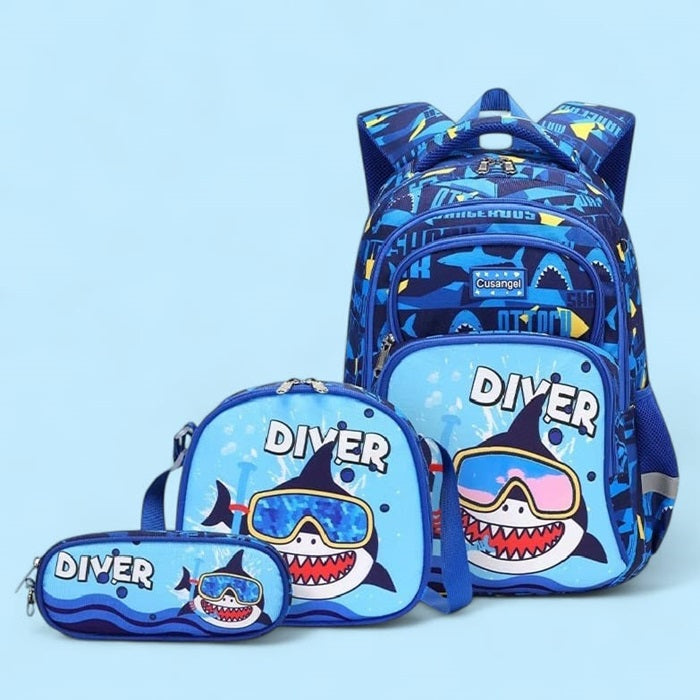
How to Prevent Your School Bag from Smelling Bad Over Time
Choosing the ideal kids backpack for your children can be difficult. Looking for comfort, functionality, and style altogether sounds very exhausting. Have you ever found yourself encountering the bad smell it develops over time? If yes, then you aren't just in the right place. Here we are to break down the methods we can use to get rid of this unpleasant smell. These are some ways you can keep your bag fresh: 1. Empty your bag regularly: Emptying your school bags every day should be a daily habit because one of the main reasons for the bad odor of your bag is the accumulation of unnecessary things in it. Over time, these things can start to smell. 2. Clean food and drink spills immediately: Food and drink spills on the bag are one of the most common reasons for your bag to give off an unpleasant smell. For this reason, it is highly recommended to clean up any spill right away. Any stain and any residual odor can be cleaned with a moist cloth and a mild detergent. 3. Use lunchboxes and bottles that are airtight: bags packs are subjected to a lot of hops and drags. While all this happens, sometimes the food from your lunchbox and water from your bottle might spill out. That is why you should use the lunchbox with an airtight seal so that no movement can displace what is in your tiffin box. 4. Keep your bag dry: A Damp surface is the breeding ground for germs and thus can cause the bag to smell. In any case, be it rain or water spill, if your bag gets wet, make sure to dry it in the sun or air dry it before using it again. Using a drenched bag can spoil your books and notebooks and cause an unpleasant smell as well. 5. Wash your bag regularly: Your bag goes out daily with you and is kept at random places, sometimes on the floor, sometimes on a dirty bench. This causes the bag to collect a lot of dirt and mud. Over time, this causes the bag to smell extremely awful. To ensure a thorough cleaning, it is advised to wash your school backpacks once a month. This will minimize the possibility of an unpleasant odor and keep the bag clean. 6. Use baking soda: If the smell is extremely stubborn, baking soda always comes in handy. Baking soda and charcoal are natural deodorizers. Keep a pouch of each of them in the bag, and they will absorb any smell from the bag overnight. 7. Store shoes and sports gear separately: Shoes and sports gear usually have a lot of sweat collected in them. This makes them smell extremely bad. When kept in the bag, the smell spreads along with the germ, making your bag smell as well. Conclusion Keeping your backpacks fresh is essential from a hygiene point of view. The problem of bad smell might sound big but the solution is extremely easy. Make sure to take care of the above-mentioned things and your bag will never emit any foul odor ever. Frequently Asked Questions (FAQs) : 1. Why do school bags start to smell bad over time? School bags often collect food crumbs, spills, sweaty gym gear, and clutter—all of which can cause bad odors if not cleaned out regularly. 2. How often should I clean my kids' backpacks? Ideally, give it a thorough wash once a month. Spot clean any visible stains or spills as soon as they happen. 3. Can I put a backpack in the washing machine? Yes, most school backpacks can be machine-washed, but always check the care label. Use a gentle cycle with cold water and mild detergent. 4. What’s the best way to dry a backpack after washing? Air-dry the bag completely in sunlight or a well-ventilated area. Never store or use a damp bag—it can lead to mold and bad smells. 5. How can I prevent food from spilling inside the bag? Use airtight lunchboxes and leak-proof bottles. These keep food and liquids sealed, even when the bags' packs are tossed around. 6. What’s a quick fix for a smelly backpack? Place a pouch of baking soda or activated charcoal inside the bag overnight. Both are natural deodorizers that absorb foul smells.
READ MORE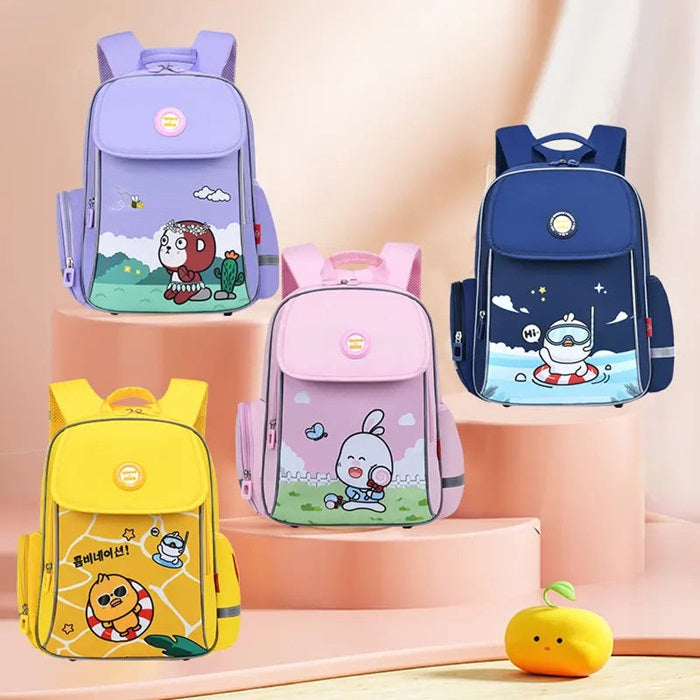
How Heavy Is Too Heavy? What Doctors Say About Bag Weight for Kids
How Heavy Is Too Heavy? What Doctors Say About Bag Weight for Kids If a student does not have school bags, their life is not complete. The schoolbag spends a lot of time on your kid’s shoulder, carrying it to school and returning home. Over the years, the elements of school bags have increased. From notebooks to laptops, from lunchboxes to bottles, everything has to fit in one bag. This increment in weight is not very good for students and can cause a lot of problems. When kids carry too much to school, the consequences can go far beyond a simple backache. What is the ideal weight for a kid to carry? According to medical professionals, the ideal weight for a kid to carry should be no more than 10-15% of their body weight. In this case, if a kid is 20 kg, their bag should weigh 2-3kg, and if a kid is 40 kg, their bag should weigh no more than 4-6 kg and so on. Here are some of the consequences of a heavy bag. Physical strain and injury: Heavy loads of the bags can easily show in the frequent backaches of your kids. The boom of heavy loads strains, fatigues, and produces unbearable back pain. Moreover, it leads to bad posture affecting the backbone, which is a big hassle in the long term. Carrying the extra weight can cause children to hunch their shoulders, which in turn puts strain on their shoulders and neck, which can lead to headaches as well. In extreme cases, the weight of heavy backpacks can compress nerves, particularly in the neck and lower back. Higher possibility of getting accidents: At times, it gets difficult for younger kids to carry the load of the bag. It might make the trip. A heavy bag can throw children’s center of gravity off, causing them to trip, stumble, and ultimately fall. It would potentially cause a more serious injury while walking from one class to another. It even restricts the kids from quick movements, which can be a hazard in emergency situations. Mental and emotional stress: The heavy load of the bag is surely a cause of physical stress, but you might not notice that it directly or indirectly challenges your mental stress as well. School activities and studies already stress children, and weighty school backpacks can add to the anxiety. Having to carry it out physically can feel like a reminder of what they are asked to do; it can contribute to the overwhelm and feeling anxious. It distracts them from their studies by being uncomfortable. Since carrying a heavy bag causes so many problems, it makes the children have a negative attitude towards school. Long-term health effects: A Heavy kids backpack can cause chronic back pain that might end up in some serious problems. The strain from an improperly balanced or overly heavy backpack can contribute to conditions such as scoliosis, where the spine curves unnaturally. What do doctors recommend? Weigh the bag equally: make sure to check the weight of your kid’s backpack once a week so that it never gets to an unhealthy weight. This keeps you aware of what they are carrying, too. Choose the right bag: Pick a bag that has shoulder padding and adjustable shoulder straps as well. Pack smartly: Pack your backpack mindfully. Keep the books and notebooks in their designated compartments and carry only the ones that are needed. Look for signs: If you see any visible change in the posture of your kid or there is any pain in the back or the shoulders, change the bag right away and consult a doctor. Conclusion Carrying too much weight is a huge problem that needs to be looked into. Being a responsible parent, you must take care of what your child takes to school and if they are healthy. MyneeMoe has a collection of bags that keep your child healthy, ranging from school bags to bags packs. These tiny shoulders are made to carry their hugely successful future and not a huge, overweight bag. Frequently Asked Questions (FAQs) : 1. What is the ideal range of weight a school bag should lie in? A bag should be 10-15% of the kid’s body weight. 2. What problems come with school bags that are too heavy? If your school bag is heavy, some problems are inevitable. Problems like back and shoulder pain, poor body posture, headaches, and nerve compression are very common. It can even lead to accidents and trips. 3. What impact does a heavy bag have on a child’s mental health? A heavy bag can cause stress and anxiety. Additionally, it can lead to discomfort in class and distract you as well. 4. Are there any side effects that can affect a child in the long run? If you use a heavy bag for a long time, it can cause chronic back pain. 5. What are some suggestions given by doctors? Doctors advise weighing the bag once a week and keeping a check of the stuff your kid carries to school. Furthermore, they suggest using a bag with padded shoulder straps. If, in any case, you notice any pain, consult a doctor immediately.
READ MORE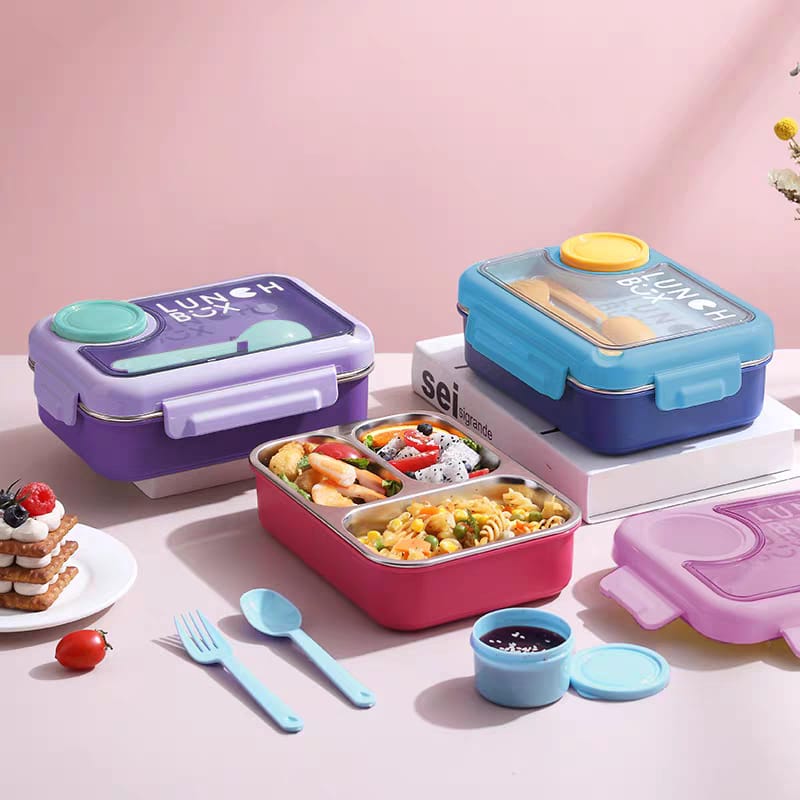
What’s the best way to clean an oil-stained tiffin box without scrubbing too hard?
Have you ever attempted and failed to remove an oil stain from a tiffin box? If so, you have come to the right place. Oil stains are extremely stubborn and refuse to leave the container. While rubbing the container aggressively might sound like the only solution, it is a little tough to do this every day, and it can damage the container as well. While the problem might seem big, the solution is not that hard. Oil-stained bento lunch boxes can be cleaned in a few different ways without using too much force. 1. Dish soap and hot water soak: If the oil stain is not too strong, it can be dealt with with dish soap and hot water. Add some dish soap to hot water and let the tiffin soak in the water. Make sure that the soap is grease-cutting. Let it rest for 10-20 mins for the oil to loosen. Once the tiffin has rested for some time, wipe it with a sponge or a clean cloth and rinse it with warm water. You will find the stain gone. The combination of hot water and soap breaks down the grease, which helps in easy cleaning. 2. Baking soda and vinegar paste: If the stain is a little hard to get off, mix some vinegar and baking soda to make a paste. Be sure to apply it to the stained areas and let it sit for 10-15 minutes. Both the vinegar and the baking soda facilitate a reaction to lift the stain without harming the surface of the lunch box for kids and to help break down the grease. After the stain is absorbed in the paste, blot with a clean cloth or a sponge. 3. Lemon and salt scrub: For mild oil stains, a lemon and salt scrub works wonders. It also helps in removing any lingering odors from it. When the stain is fresh, cut a lemon in half and sprinkle the salt on the surface. Rub the lemon on the stains gently. The acid in the salt helps dissolve the grease while the salt scrubs it gently. Once you are done with it, rinse the stain with water, and here you are with your brand new lunchbox. 4. Cornstarch and flour absorption: It comes in use when the stain is fresh. Absorbing grease before washing can make a huge difference. Apply cornstarch or flour to the stained area and let it sit for 15 minutes. The starch sucks up all of the oil, so it is so easy to remove the stain. Wipe off the flour and wash the tiffin as usual with dish soap. 5. Warm vinegar rinse: When it comes to a stainless steel lunch box, this method is very useful. Heat half a cup of white vinegar and pour it onto the stains. Make sure the vinegar is not boiling. Let it rest for ten minutes and rinse the container thoroughly with warm water. Vinegar helps dissolve the grease and works as a deodorizer as well. Conclusion Especially difficult are oil stains. Clean the office lunch box by removing any excess oil — this procedure should be done before washing the tiffin box to avoid any stains in the future. If you scrub a plastic tiffin too hard, it can lead to the tiffin retaining more grease later. The above-given tips are here to make your life easier. Include them in your life and get rid of the tension that the stain gives you. Top-Rated Insulated Lunch Boxes for Office Lunches {{ featured_products }} Frequently Asked Questions (FAQs) : 1. What is the easiest way to clean an oil-stained tiffin box? Soaking the lunchbox in hot water with grease-cutting dish soap for 10-20 minutes helps loosen oil stains. After soaking, wipe it with a sponge or soft cloth before rinsing. 2. Can I use baking soda and vinegar to remove tough oil stains? Yes! A paste of baking soda and vinegar can break down stubborn grease stains without damaging the surface. Apply it, let it sit for 10-15 minutes, then wipe and rinse. 3. Is lemon and salt an effective way to clean a lunchbox? Yes, lemon and salt work well for mild stains and lingering odors. Rub a lemon half with salt over the stain, then rinse thoroughly. 4. How does cornstarch or flour help in cleaning an oil stain? If the stain is fresh, applying cornstarch or flour absorbs the oil before it settles. Let it sit for 15 minutes, then wipe it off and wash it as usual. 5. Can I use vinegar to clean a stainless steel lunchbox? Yes, warm vinegar is great for cleaning stainless steel lunch boxes. Pour warm (not boiling) vinegar onto the stains, let it sit for 10 minutes, then rinse. 6. Will scrubbing too hard damage my tiffin box? Yes, excessive scrubbing, especially on plastic lunch boxes, can cause scratches, making it easier for grease to stick in the future. Use gentle cleaning methods instead.
READ MORE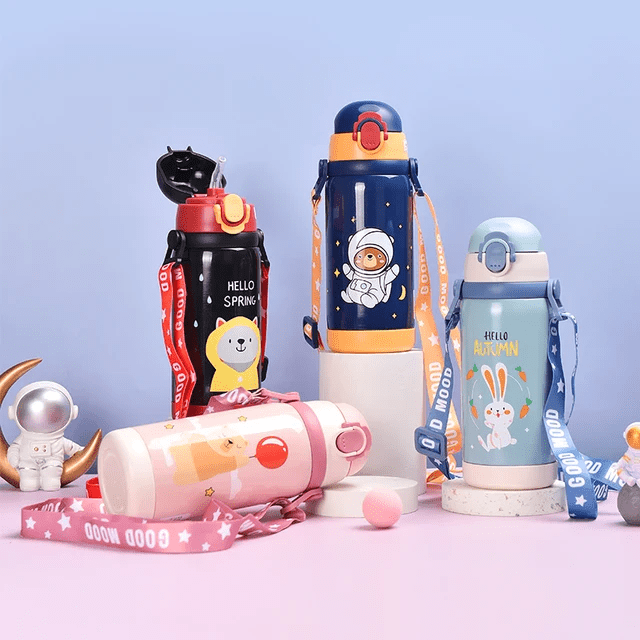
Spill-Proof Bottles That Still Leak in School Bags – What’s Going Wrong?
Do you often come across your backpacks drenched in water after storing water in a water bottle that promises to be leakproof? If yes, then you are not alone. There can be chances that your water bottle misleads you into thinking that it is the perfect container to store beverages when you are juggling from place to place, and the bottle keeps tipping over continuously. It can be your biggest mistake, and you can end up with damp notebooks, soaking wet bags, and standing helplessly. Now, before it happens to you again, we are here to look deep into this problem and come up with the best solutions. 1. Spillproof doesn’t always mean leakproof: If a bottle claims to be spillproof, there is a high chance that it won’t spill water if knocked over upright. On the other hand, a bottle that is leakproof should not spill water no matter what. Therefore, make sure that the bottle claims to be leakproof because it is subjected to a lot of tossing and juggling in your kid’s bags packs. Take care that you do not get confused between the two. 2. Unstable or misaligned components: A children's bottle has numerous components, including straws, spouts, valves, caps, and other components. It gets difficult for a child to ensure that every component is in its proper place and is undamaged. If not, it leads to unwanted leaks. Any loose parts and your school backpacks are now drenched. Thus, it is critical to monitor every component of a bottle to ensure that everything is securely fastened in its proper location. Additionally, teach your children how to snap the lids shut and check the bottle for any wear or tear so you can have it fixed before it is too late. 3. Cracked or worn-out seals: While using the same bottle for a long time and washing it from time to time, you might end up destroying its silicone or rubber seal unintentionally. If this silicone seal is broken, there is are high chance that the bottle will leak water if there is any minor jiggle, which can wet the notes and assignments you have in your bag. That is why you should keep checking for any damage in the bottle and if needed, replace that part before it is too late, and keep your kids backpack all safe and dry. School Bags with Cartoon, Animal, and Themed Prints {{ featured_products }} 4. Pressure buildup inside the bottle: Have you ever heard a bottle make a popping sound when opened? That is the pressure the beverage inside has built. Sometimes, flavored drinks in the bottle can create pressure due to temperature fluctuations or sugar present in them, and can make the liquid ooze out of the spout even if the bottle is sealed. To deal with this problem, stick to plain water for the school and avoid keeping the bottle in hot temperatures. Furthermore, look for bottles that have a separate valve for pressure release. 5. Incorrect cleaning: Dirt and mold buildup in the water bottle can be extremely challenging. Not only is it a hazard to health, but it also impacts the seals of the bottles. A dirty or sticky valve may not close completely, leading to drips and leaks. Schedule a deep cleaning of your water bottle once a week before it happens to you. Disassemble the water bottle and clean each part separately. Conclusion Leaky bottles can be extremely frustrating. While the problem sounds too big, a few tweaks here and there can fix the problem and keep your homework protected from any sort of damage. Navigate the digital aisle of MyneeMoe and get your hands on the collection of the best water bottles that will never leak in your school bags. Frequently Asked Questions (FAQs) : 1. How are leakproof water bottles different from spill-proof ones? While a leakproof water bottle ensures that not a single drop escapes even when it is tossed and juggled vigorously, spill-proof water bottles are designed to stop all spills when the bottle is tilted upright. 2. Even though my children's water bottles are supposed to be leakproof, why do they still leak? There are numerous reasons why this occurs. Despite their claims to be leakproof, bottles may have pieces that are loose or a broken silicone seal. 3. Which areas of the bottle should I routinely inspect? Regular checks should be performed on components such as valves, straws, and lids. 4. Could improper cleaning cause leaks? Yes, improper cleaning leaves the bottle with dirt and dust particles. The particles get stuck in the silicone seal and do not let the lid create a vacuum. Therefore, the bottle leaks water. 5. Can leaky bottles damage school backpacks? Yes, leaky bottles tend to damage school backpacks along with notes and assignments inside, and you might end up doing extra work.
READ MORE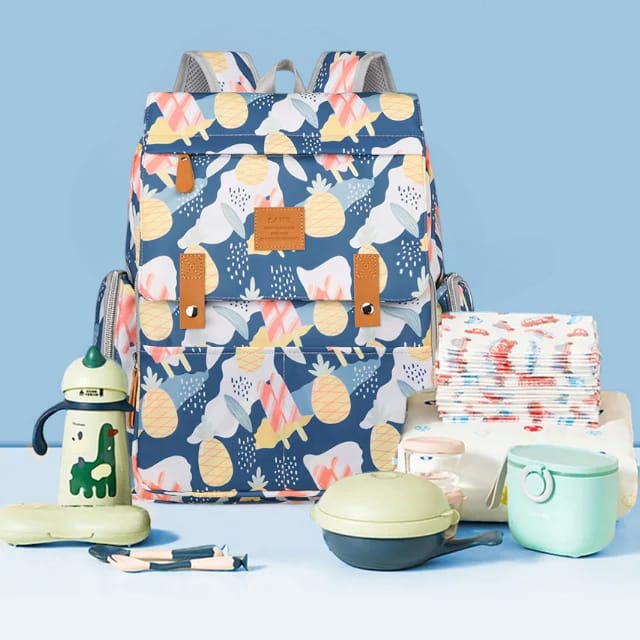
DIY Diaper Bag Organization Hacks: Keep Your Backpack Neat and Accessible
Parenting is tough, especially when it comes to a newborn baby. A newborn baby comes with a lot of work and challenges. Food, nutrition, hygiene, and whatnot. Sometimes, it becomes very tough for the parents to manage it all. While parents struggle with it all, a well-organized diaper bags backpack can let them ease a bit and can help a lot. Chaos and mess are extremely obvious things to happen with a baby around, and that is when a good and organized diaper bag helps. Managing a baby can seem as if you have too much on your plate, but these simple DIY diaper bag organization hacks can be a game changer. You can easily transform that mess into an accessible and well-ordered place. Here is a comprehensive guide on some hacks. 1. Use pouches for different categories: Keeping similar items together makes things very easy. It helps you find stuff easily. Additionally, it prevents any mess from happening in the bag. Diaper pouch: Make a pouch that is just dedicated to diapers. Keep things like diapers, wipes, and diaper creams in it. You can even divide it into compartments to arrange diapers of different sizes. It would work great if you carried disposable bags as well. This will help you take the diaper out whenever it is time to change. Baby essential pouches: This pouch can be a game changer for parents. Keep all the stuff that are important to your baby, like nail clippers, pacifiers, some diapers, creams and other things. This will make sure you have all your stuff in one place, and you can even carry it while going out with your baby. Snacks and food pouches: Keep all the baby food and formula in one place to avoid any hassle. Make sure the containers are spill-proof. 2. Invest in zipper pockets: Zipper pockets can work wonders when it comes to managing and organizing baby stuff. Keeping thighs secure, they set your mind free of tension. For personal items: Equip yourself with a small zipper bag and keep your wallets, keys, and other necessary stuff. This will help you find them when you are in a hurry without rummaging through stuff. For dirty items: Keeping clean and dirty items separate can help a lot. Throw any dirty wipes, bibs, and clothes into it, which can help you prevent any mess. For baby’s medication: Keep medicines that are important to your baby together. 3. Create a quick grab pocket: There are some necessary items that you need to be carrying every time. For instance, diapers, wipes, milk, and all. You need to have a specific quick-grab pocket. The pocket should be accessible to you so that you don’t have to worry about finding it. It should be either on the front of the backpacks or the side. Explore Our Collection of Trendy Backpacks {{ featured_products }} ConclusionParenting can be tough, and nothing can be compared to it. But some hacks can make the journey a little easier and more enjoyable. These DIY bag packs diaper bags hacks can help you stay more organized. Frequently Asked Questions (FAQs) : 1. How can I organize my diaper bag better?Using pouches for different categories, like a diaper pouch, baby essentials pouch, and snack pouch, can help keep your items neat and easy to find. This prevents mess and saves time when you're on the go. 2. What should I keep in a diaper pouch?A diaper pouch should contain diapers, wipes, diaper creams, and disposable bags. You can even separate the diapers by size for better organization. 3. Why are baby essential pouches important?A baby essential pouch keeps crucial items like pacifiers, nail clippers, creams, and extra diapers all in one place. This makes it easier to grab and go when needed. 4. How can I keep baby food and formula organized in my diaper bag?Keep all food and formula in one designated pouch. Make sure containers are spill-proof to avoid any mess inside your bag. 5. Why should I invest in zipper pockets for my diaper bag?Zipper pockets help secure items and prevent them from spilling or getting lost. They are great for organizing personal items, dirty items, and even medications. 6. How can I separate dirty items in my diaper bag?Use a zipper pocket or small pouch for dirty wipes, bibs, or clothes. This keeps clean items separate and avoids unwanted odors or mess.
READ MORE
How do I clean narrow-mouth bottles properly?
In a world full of working individuals, it is of absolute necessity to drink enough water. Whether it is managing meetings at work or balancing classes, sufficient water intake allows everything to continue without making you tired. If you are using a water bottle regularly, it can be tough to clean. A narrow neck makes it very hard to reach the crevices of the bottle, and that can lead to smell and encompass bacteria. Although the problem may appear somewhat too large, the answer is incredibly straightforward. The easiest way out is by following some tips and getting rid of any impurities. Browse Top-Rated Water Bottles for Superior Quality {{ featured_products }} Why clean your narrow-mouthed water bottle regularly? 1. Avoid unpleasant smells: The smell of your bottle can be foul due to the storage of beverages like milk, tea, and coffee. This may eventually lead to the development of bacteria and germs as well. Cleaning your bottle on a regular basis guarantees that no residual odours will interfere with your water experience. 2. Preserve performance: A dirty bottle can impact the efficiency of the narrow-mouthed bottle. A narrow-mouthed bottle works by creating a vacuum, but dirt and dust can hinder the work. 3. Prolong the life of your bottle: Taking care of something means it has a longer life. Taking care of your water bottle can make it live longer. Guide to Cleaning and Maintaining Your Narrow-Mouthed Water Bottle 1. Daily Cleaning: Quick Rinse After Use: Rinse with warm water: Rinse your water bottle with warm water. This makes sure that there is no dust or extra liquid left in it. It also gets rid of any food particles that might have entered it. This will prevent it from drying inside and forming residue. Use mild soap: You can use mild soap and give it a thorough rinse if you want to wash it deeper. This will eliminate any lingering smell and odour. Let it air dry: Do not cap your bottle right away. Let kids water bottles air dry for some time after opening them. By doing this, any moisture is kept from building up and developing bacteria or mould. 2. Deep cleaning: weekly or as needed Use a bottle brush: The most practical tool for completely cleaning a water bottle is a bottle brush. Investing in one can never disappoint you. A bottle brush reaches all the corners and crevices that you cannot with your hands. Pay extra attention to the neck of the bottle and the bottom of the thermos flasks, where buildup often occurs. Clean straw and lid: Most dirt and germs build up on the straw and lid of the sipper bottles, which we frequently overlook. Use a small brush to clean them after soaking them in warm, soapy water. Baking soda and vinegar: Home remedies work the best when it comes to cleaning. If you are done with the foul odour of your water bottle, mix baking soda and vinegar in warm water and pour it into your bottle. This will help you get rid of it. Conclusion Taking care of your water bottles might be a hard time, but it is very important in order for you to stay healthy. Browse the digital aisle of MyneeMoe and get your hands on the collection of thermos flask for hot water that are easy to maintain as well as effective. Frequently Asked Questions (FAQs) : 1. Why should we clean narrow-mouthed bottles regularly? Narrow-mouthed bottles should be cleaned regularly to prevent odours, bacteria buildup, reduced performance, and a short lifespan. 2. In what ways can I clean my water bottle? Rinse your water bottle after every use and deep clean it once a week. If you keep any beverage except water, you should clean it after every use. 3. How should I deep clean my water bottle? Use vinegar and baking soda to deep clean the water bottle. It prevents any bacterial buildup and removes any foul odour as well. Use a bottle brush to clean curves and crevices. 4. What if I use hot water to clean my bottle? Yes, but not boiling water, as it may damage the vacuum sealing rubber or the insulation. 5. How to clean the bottom of narrow-mouthed bottles? Use a long-handled brush; you can also use soapy water, a little warm, By shaking it repeatedly.
READ MORE