





Safe Lunch Box
Filter
Sort by
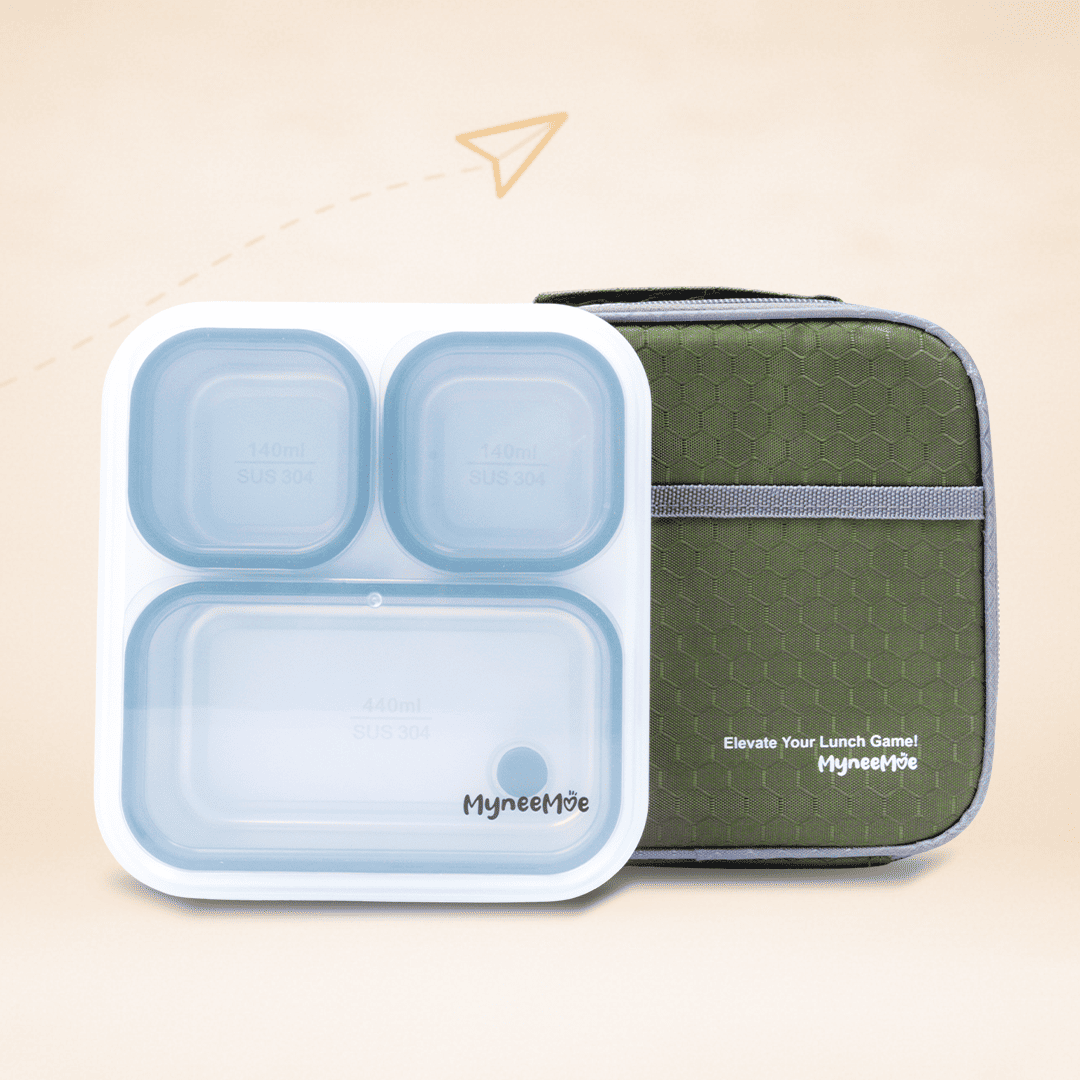
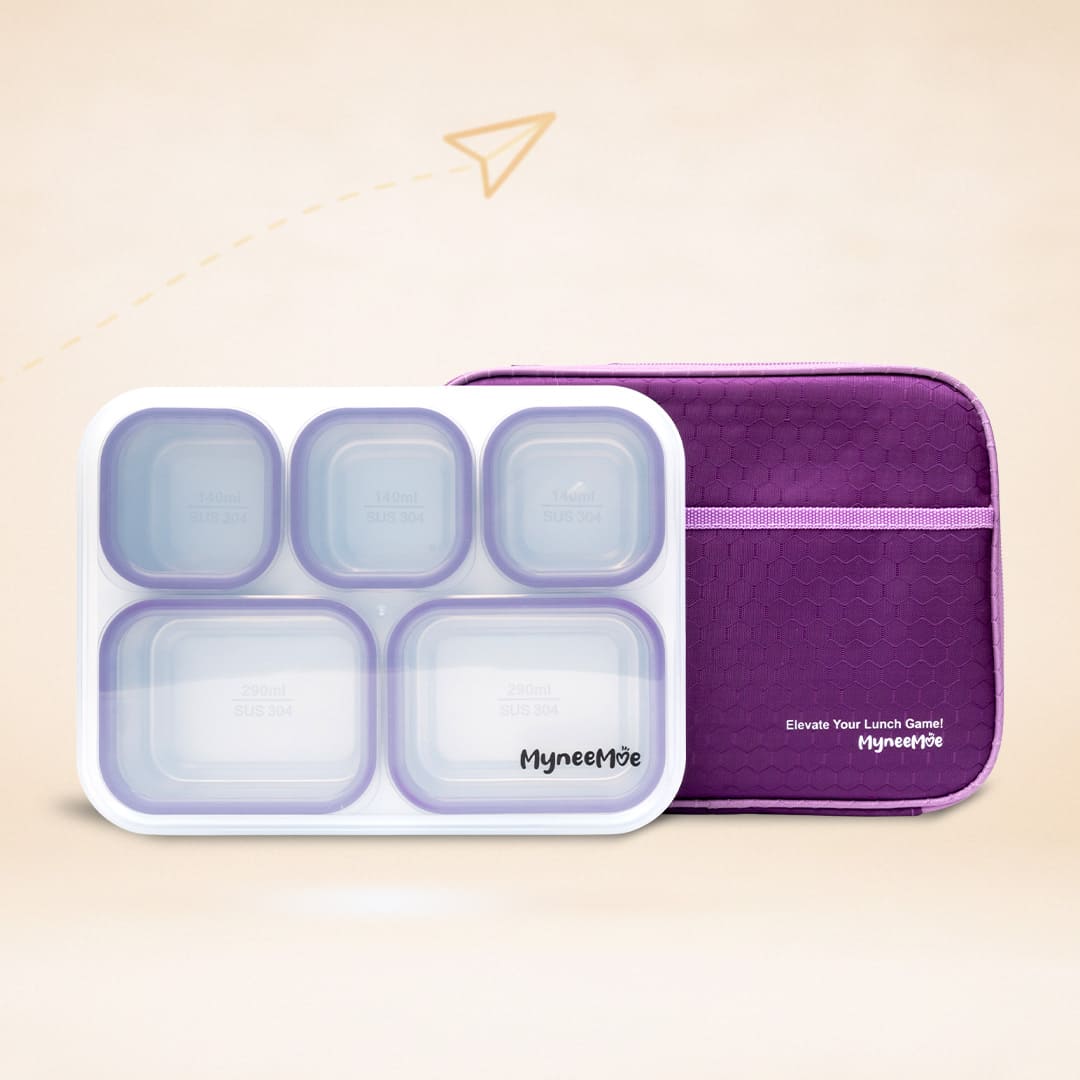
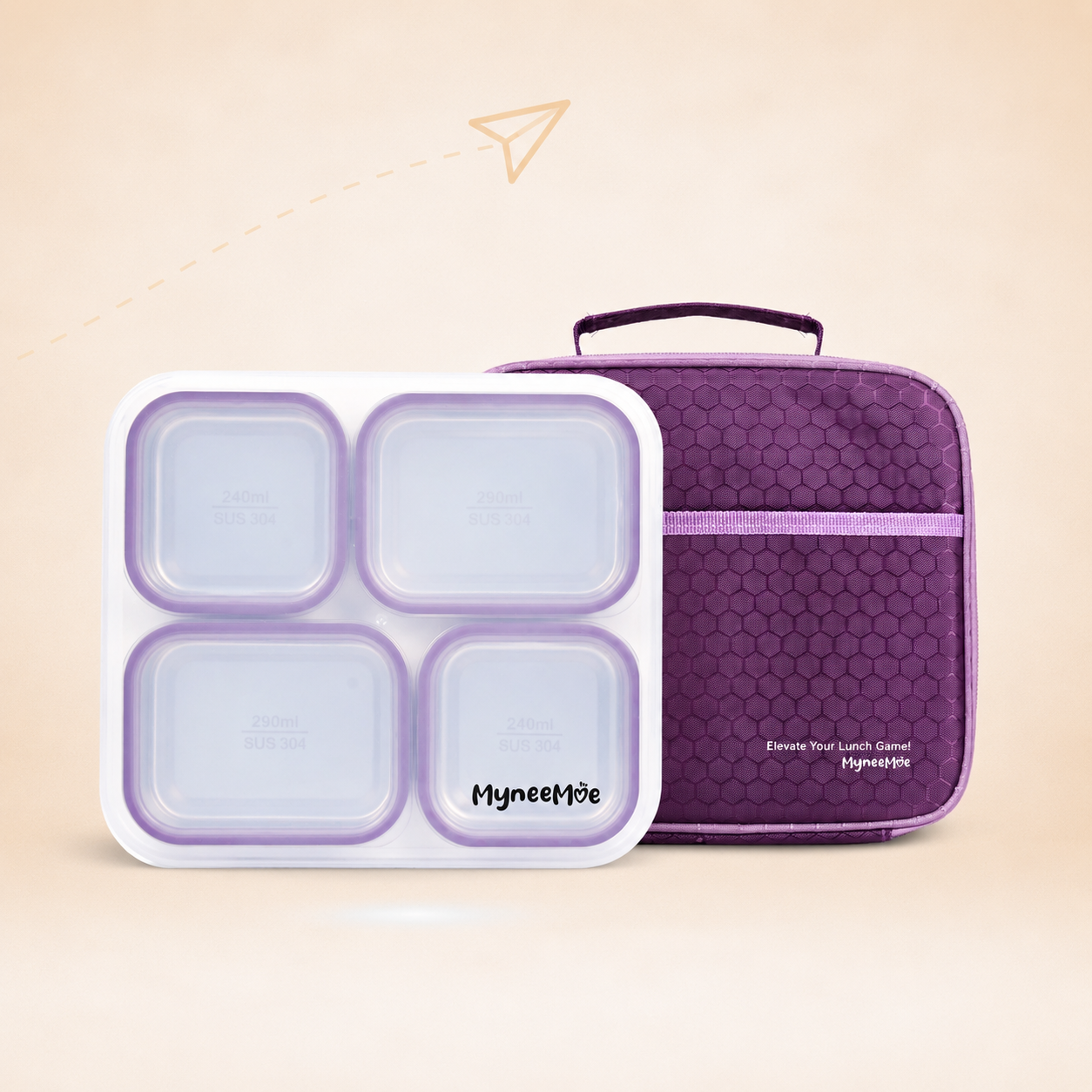
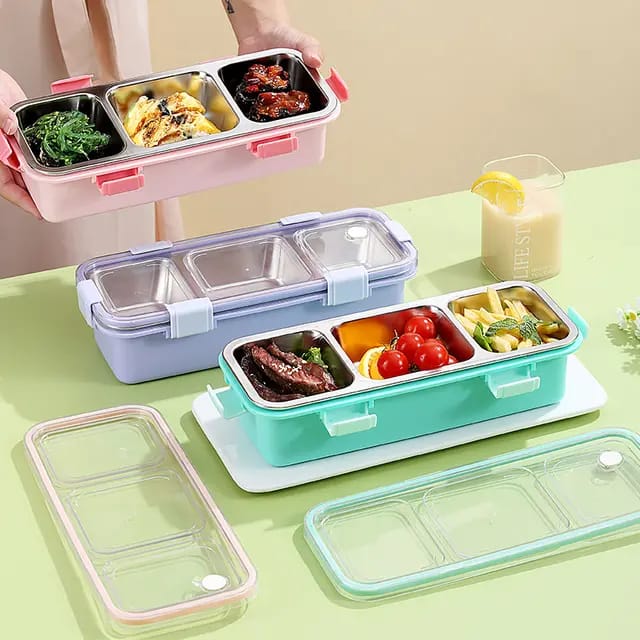
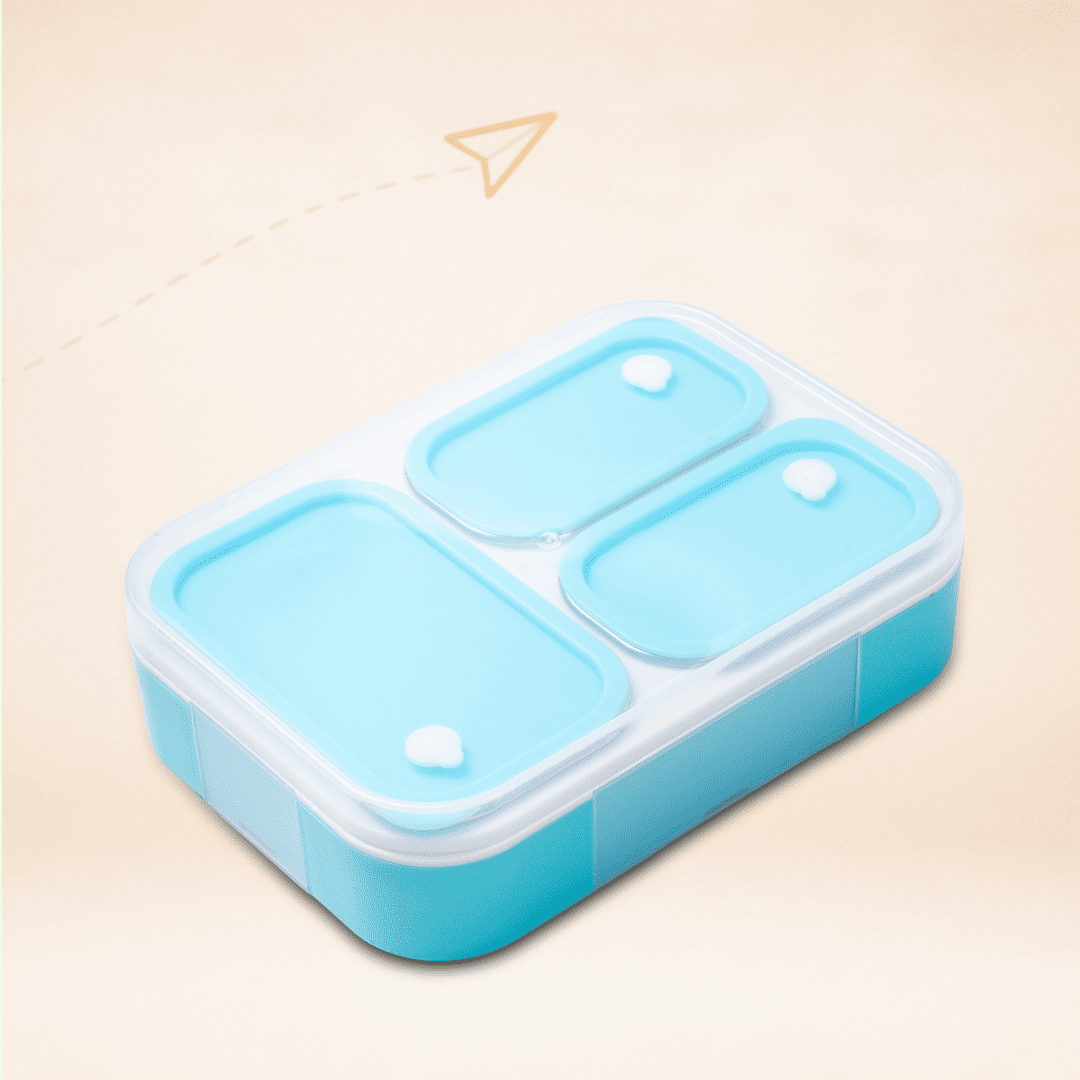
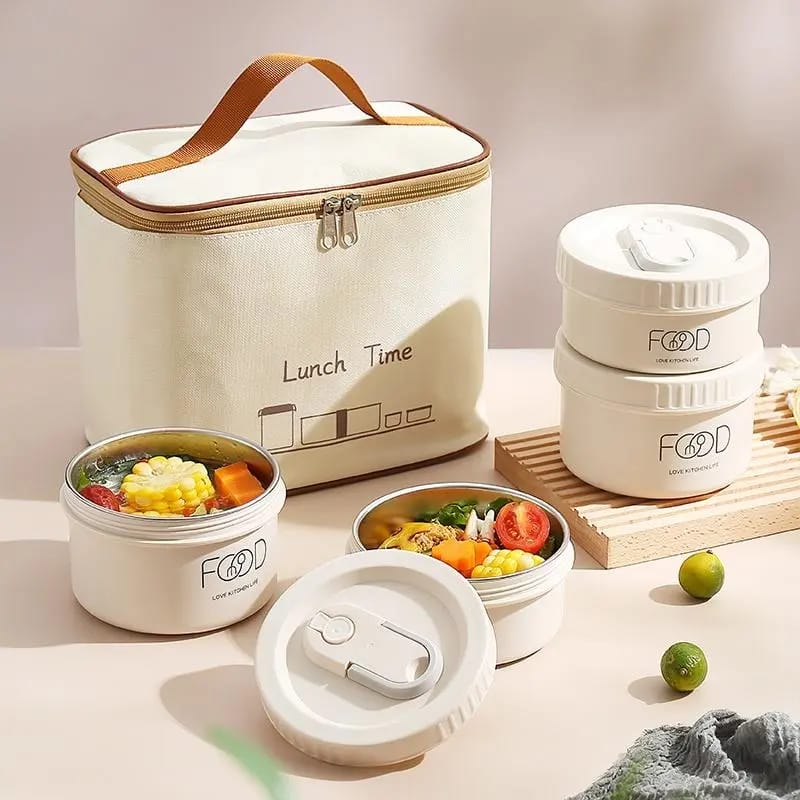
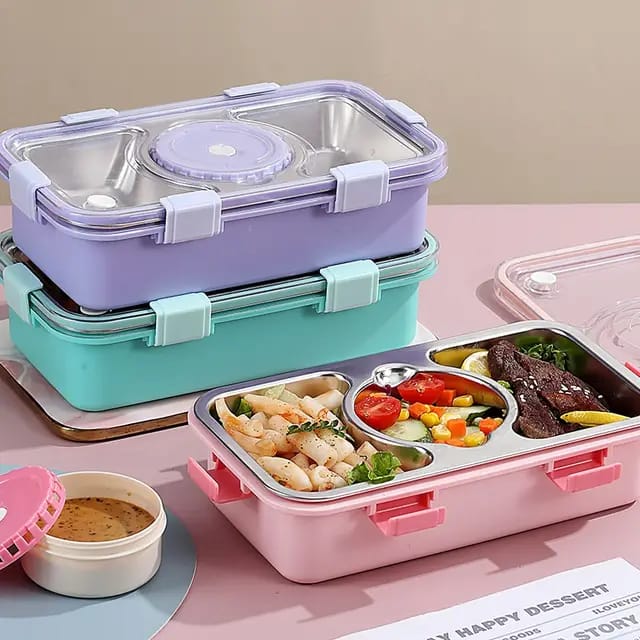
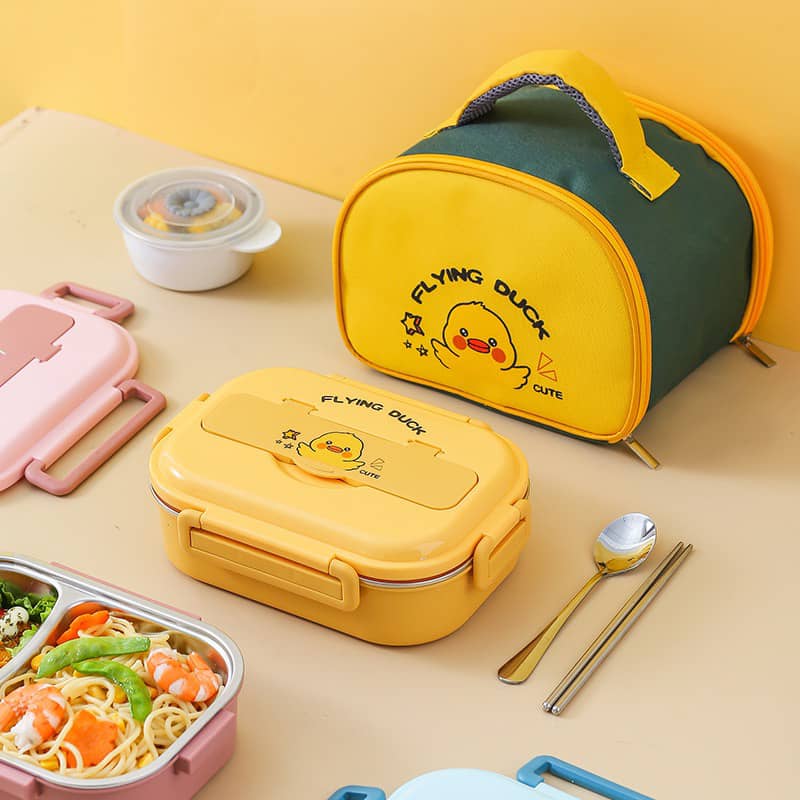
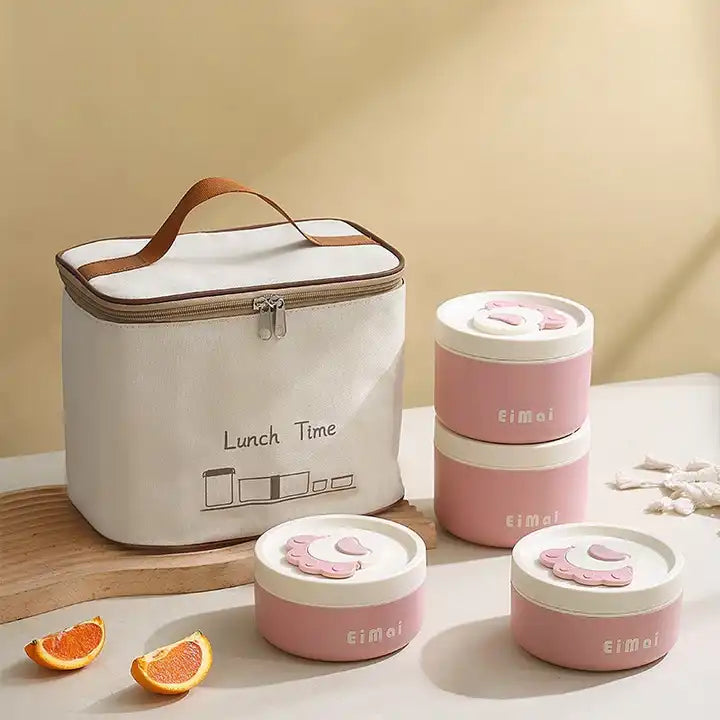
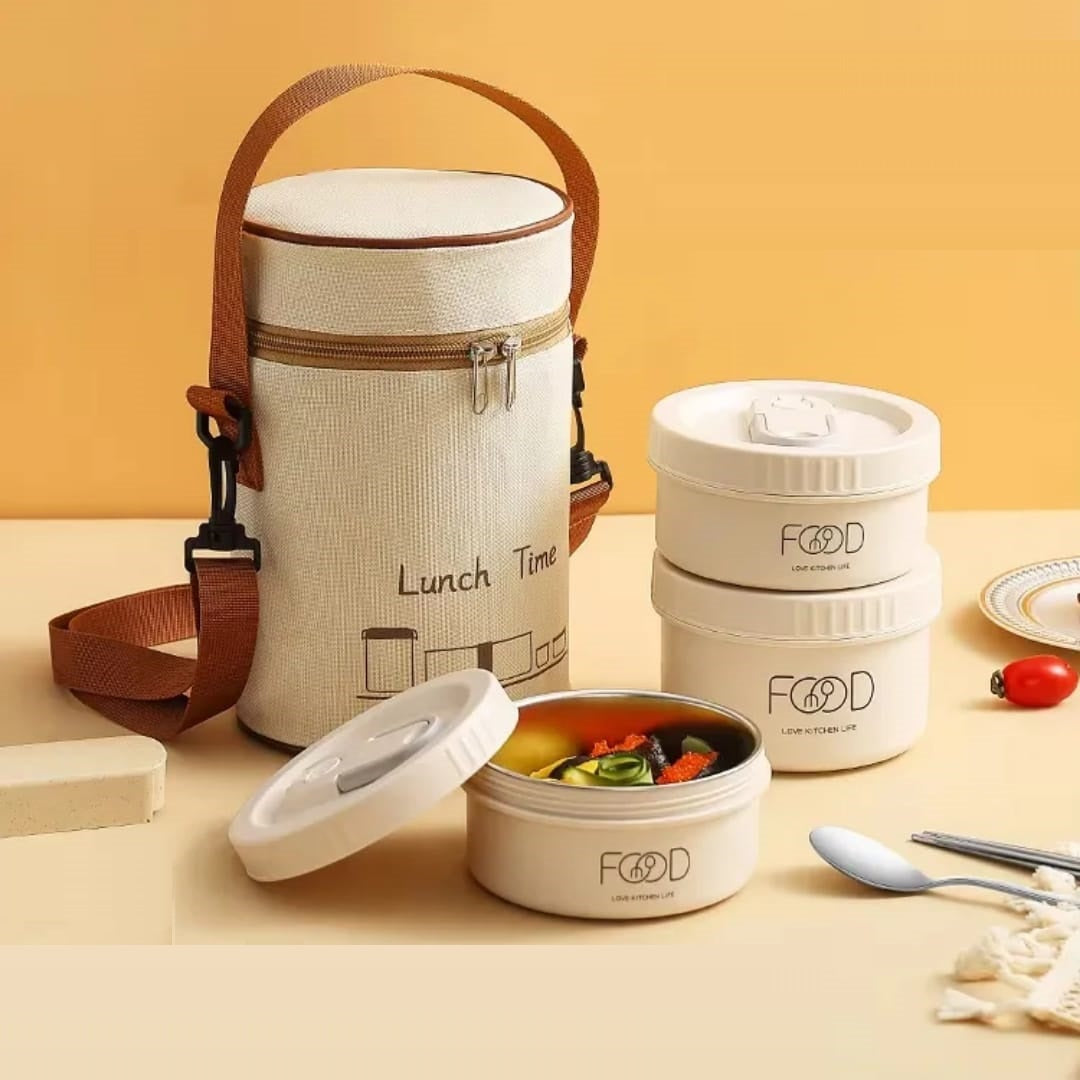

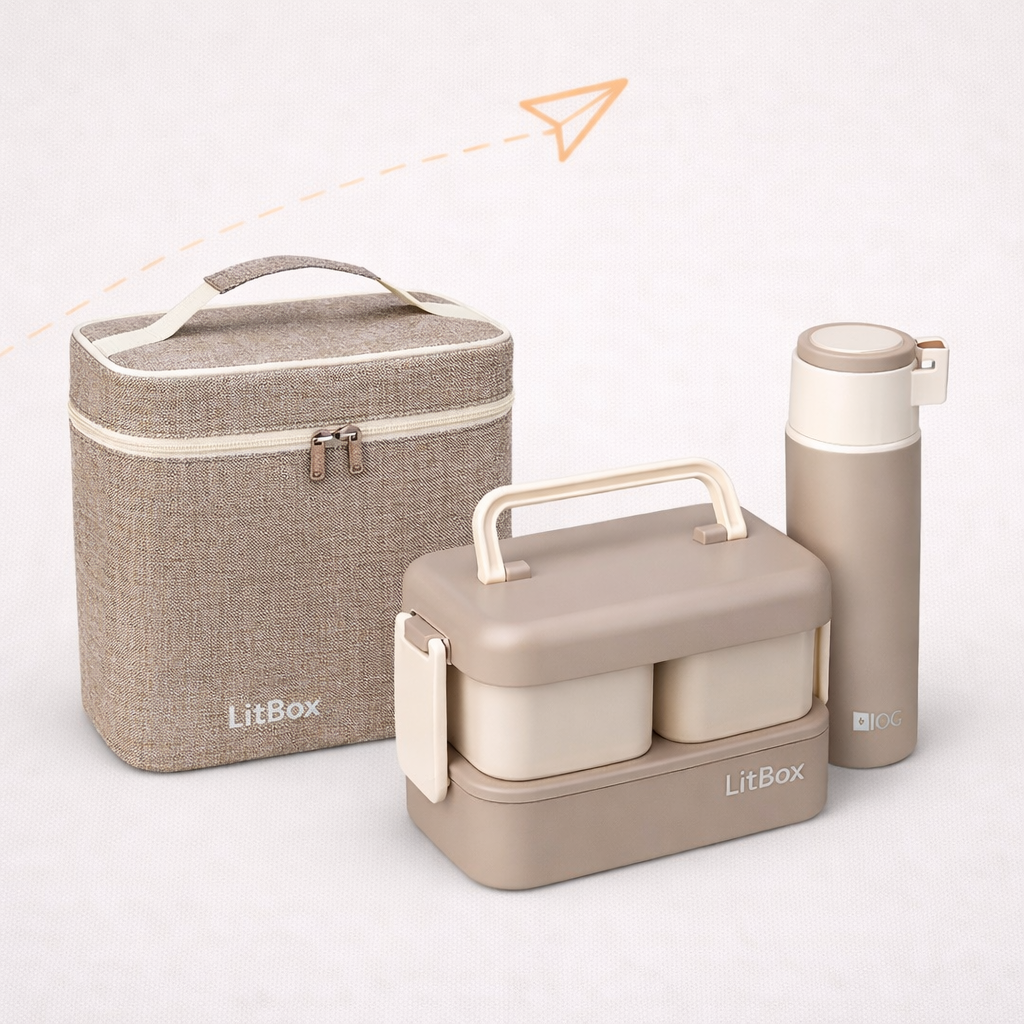
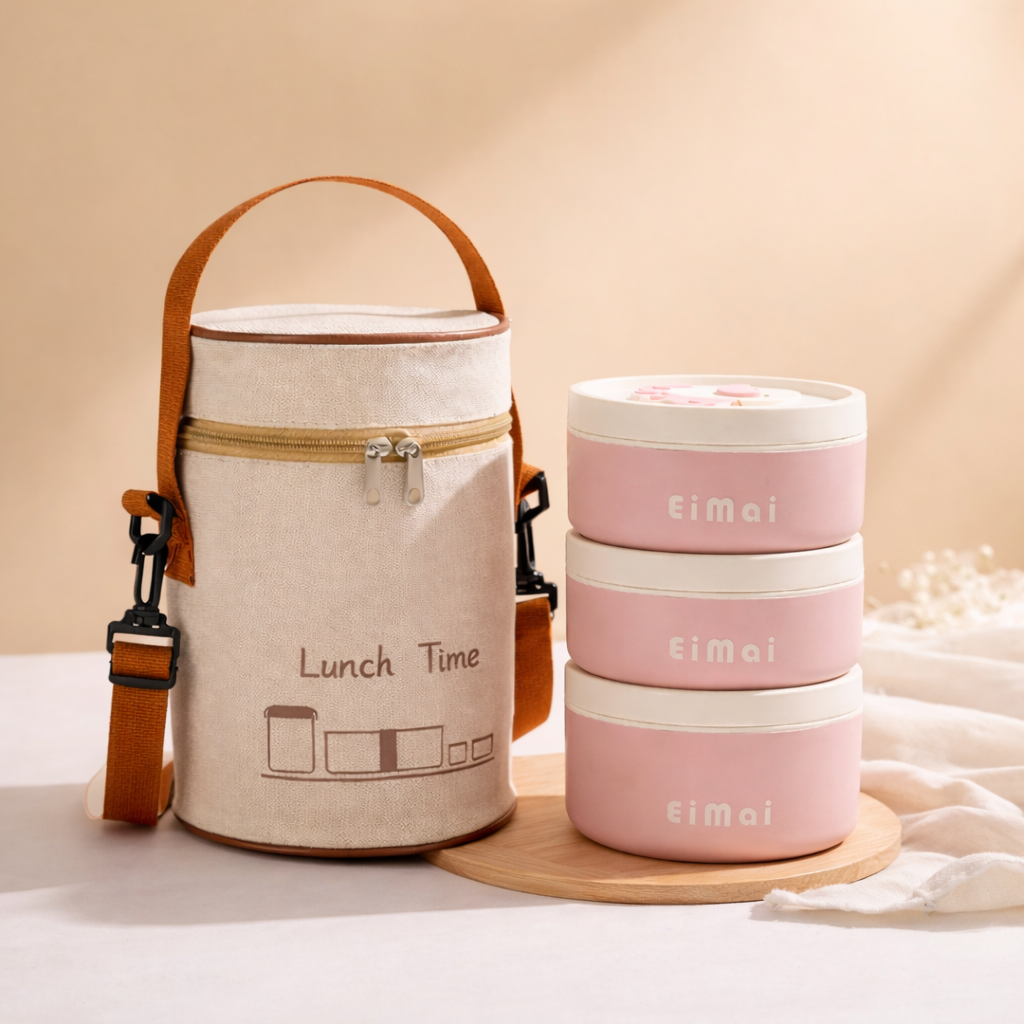
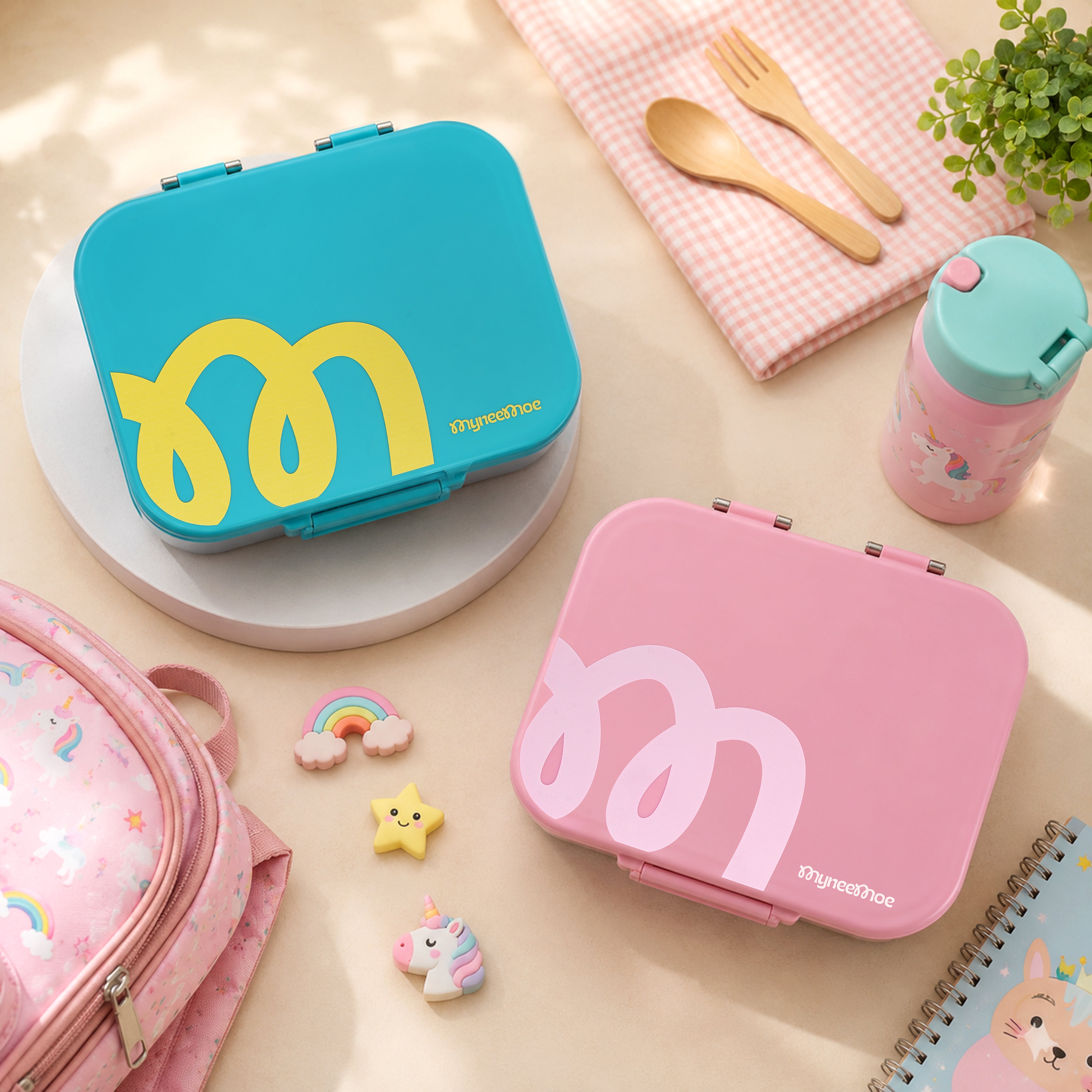
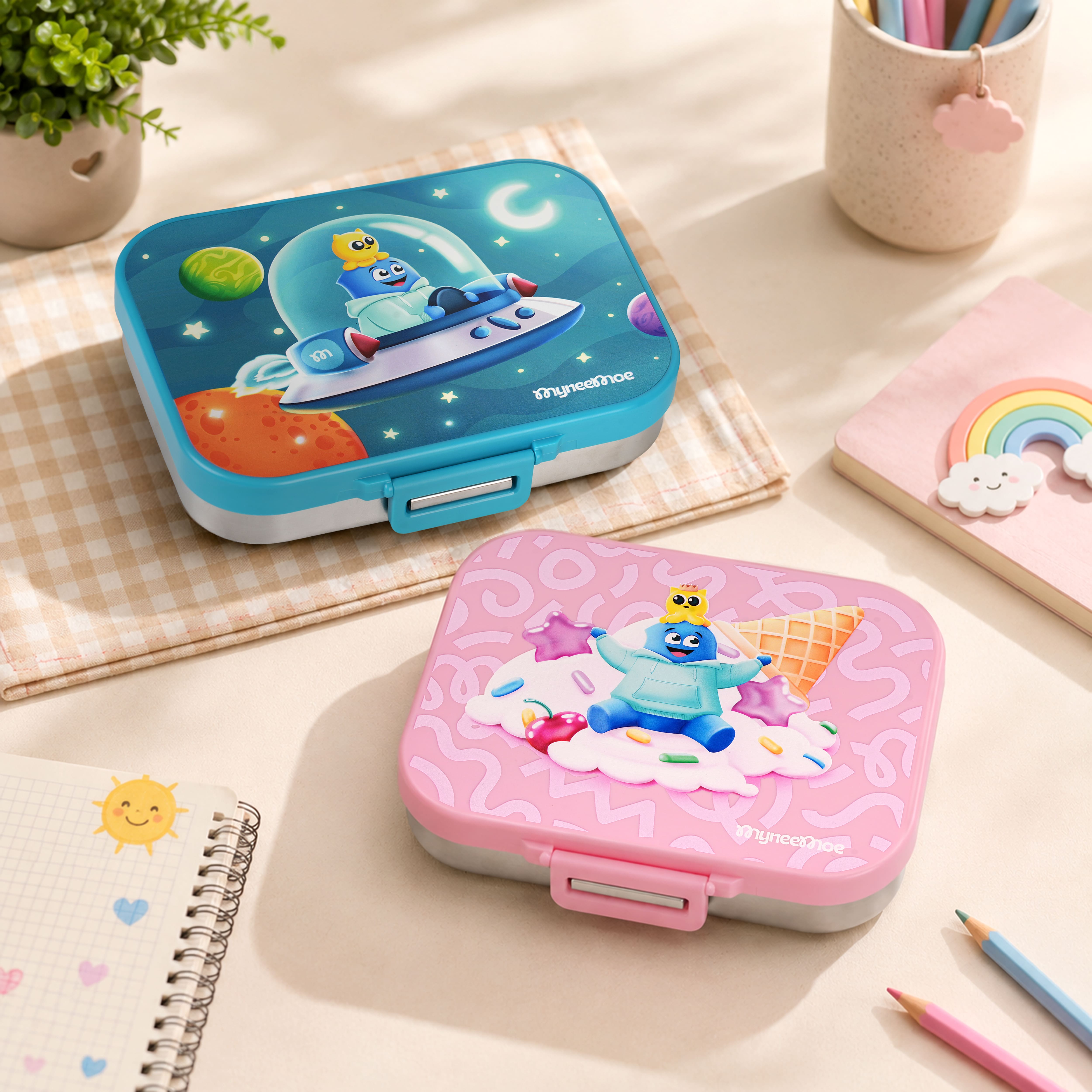
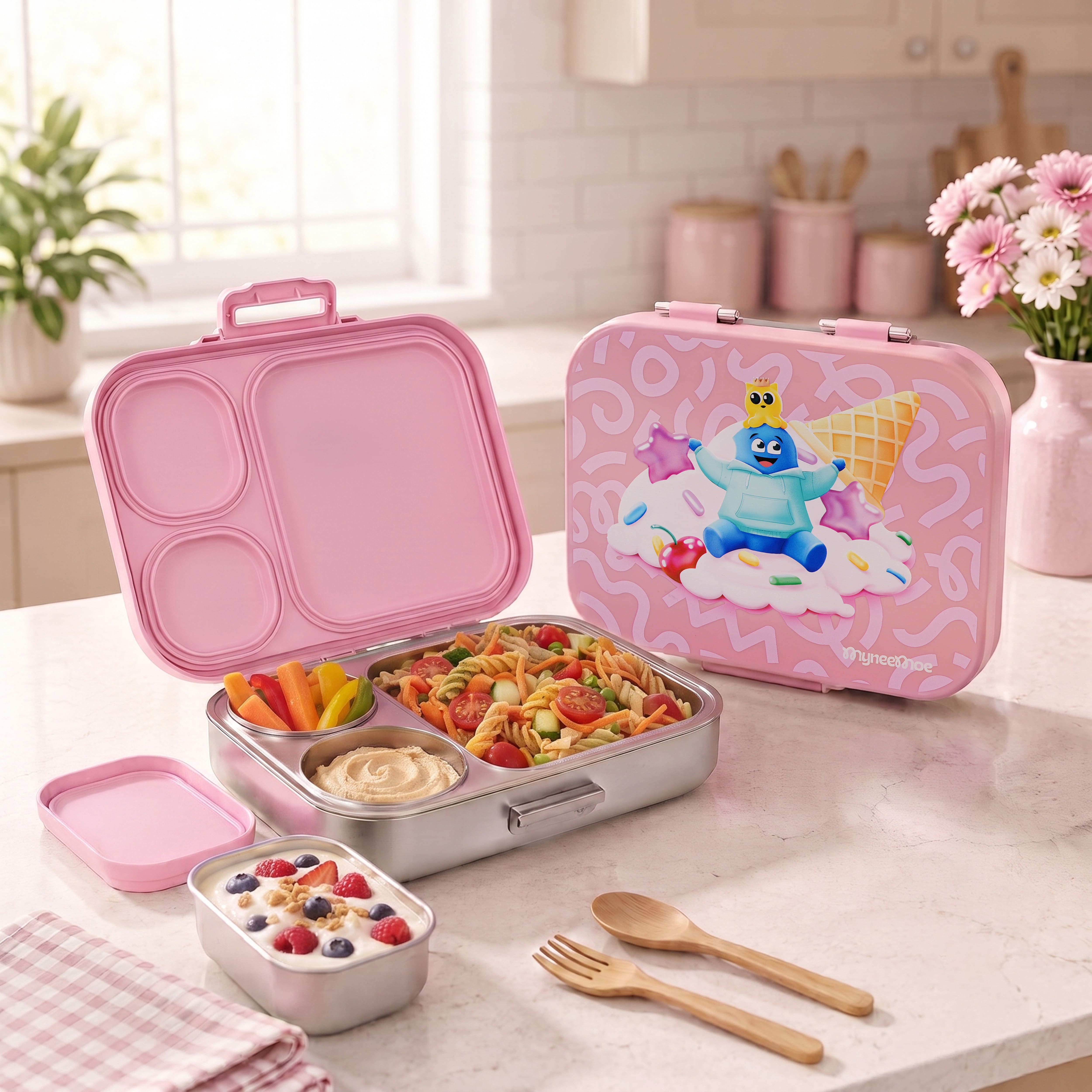
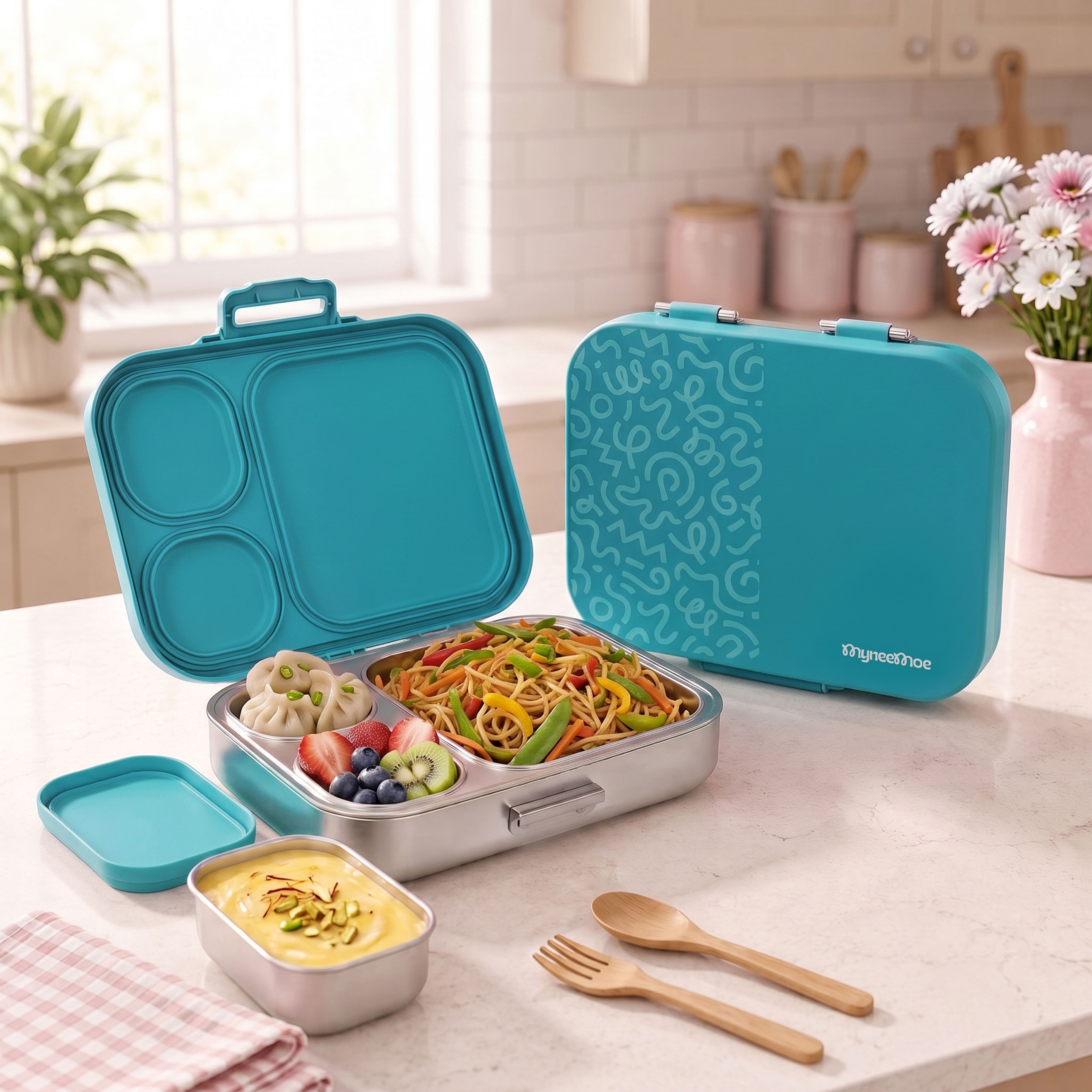
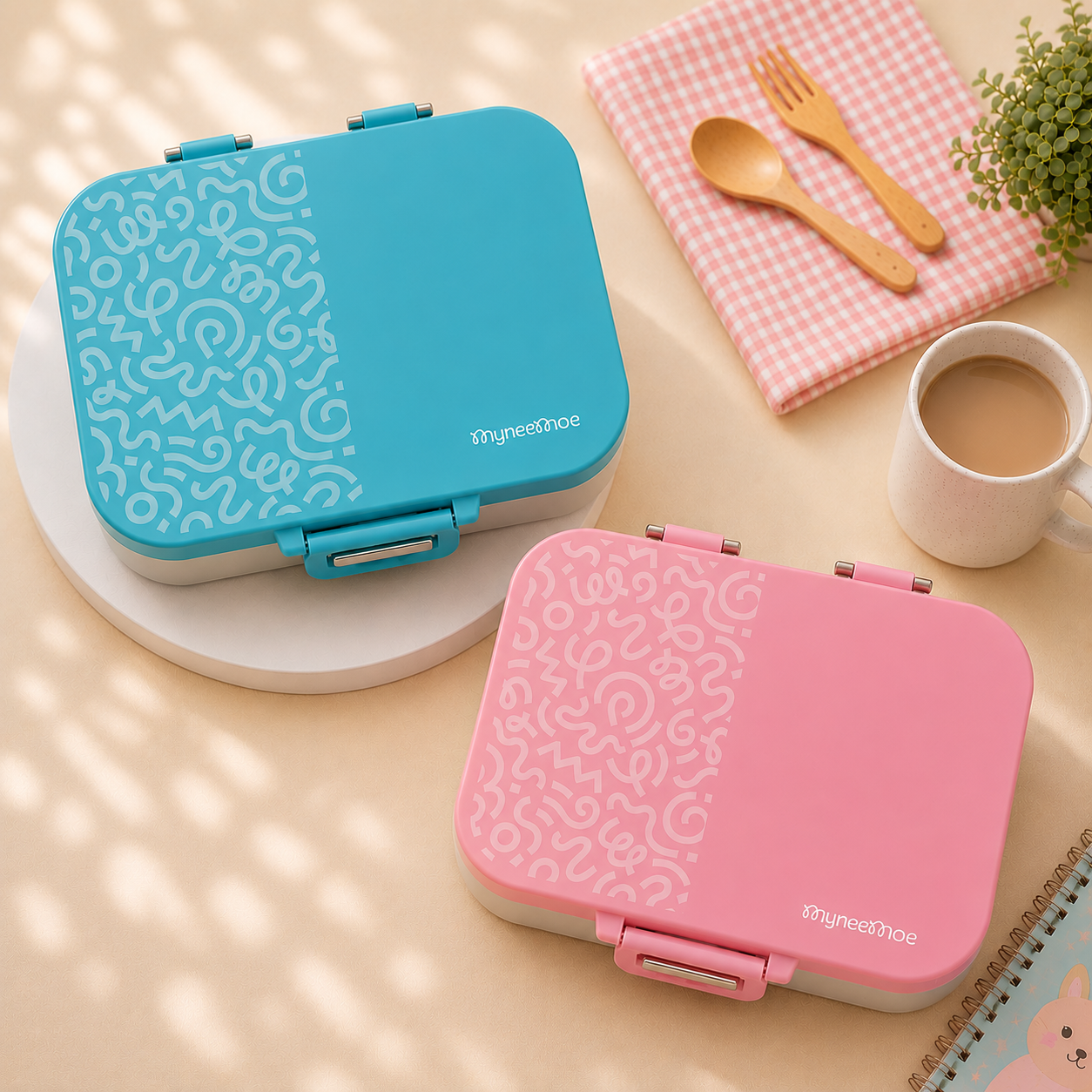
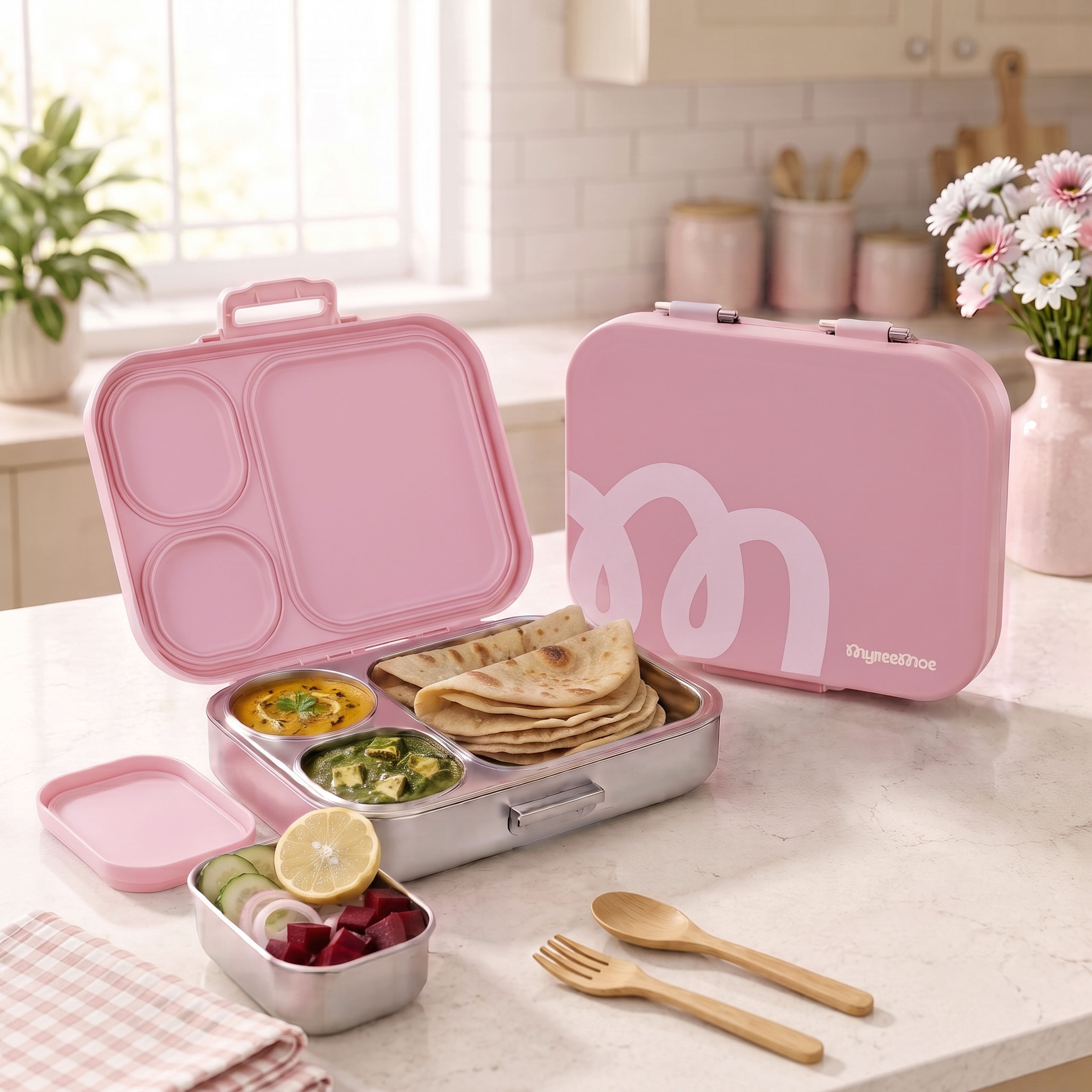
Explore Microwave Safe Lunch Box: Reheat Your Meal Directly in Your Lunch Box
If you're transferring food from your lunch box to another container just to microwave it at the office, you're adding a step that shouldn't need to exist. A microwave safe lunch box eliminates that. You pack it at home, carry it to work, and reheat it directly in the same box. So, no requirement for extra bowls, plastic wrap, or any scrubbing of a second container.
That is precisely what our microwave safe lunch box for office range is designed for: materials that will take your food from the bag to the microwave, and from there directly to the desk without any further transfers needed.
Buy a Microwave Safe Lunch Box for Office: Reheat Without Transferring to Another Container
The process for most workers would be to transfer the food from the lunch box into a microwaveable dish, heat it, and then transfer it back. This process is created based on a restriction related to the product itself. Having a good microwave safe lunch box gets rid of the restriction entirely.
A. Microwave Safe Lunch Box for Office Workers Who Need to Reheat at Their Desk
The microwave safe lunch box for the office must accommodate the entire process of lunch carrying from home to the office, reheating at the workplace, and eating directly from the same lunch box. It implies that the material used for lunch box manufacture should be able to withstand microwave usage and provide sufficient openings for steaming out of heated food. Also, the material should not be so hot after microwaving that it burns one's hand when carried from the oven to the office desk.
The safe lunch boxes in our shop have been developed specifically to meet the above criteria. They have been made using microwavable materials, equipped with vents or detachable lids, and designed ergonomically.
B. Oven Safe Lunch Box: Safe for Reheating at Low Temperatures in Office Pantries
There are also some office pantries that make use of convection ovens or OTGs instead of microwave ovens when warming their food. It can be done by using an oven safe lunch box for reheating at low temperatures without getting warped, cracked, or any compound release to the food.
It all depends on the environment where it will be used and its material. Oven-safe materials include borosilicate glass and silicone since these are made for high temperatures. PP plastic, however, is microwave safe yet not ideal for the oven.
C. BPA-Free Safe Lunch Box That Eliminates Chemical Risk During Reheating
It is during re-heating that the quality of the materials comes into play. The faster migration of chemicals within plastic material when heated means that a typical plastic lunch box, after months of being heated in a microwave, is no longer an innocent vessel; rather, it introduces trace amounts of substances into your food precisely when migration is at its peak.
A microwave safe lunch box made out of non-BPA components solves that problem by ensuring that the specific material used was chosen and tested precisely to meet these criteria for safe re-heating.
The Problem With Standard Lunch Boxes and Microwave Reheating
Understanding why most lunch boxes can't go into the microwave makes it easier to appreciate what a genuinely microwave-safe box actually does.
A. Regular Stainless Steel Cannot Go Into a Microwave: Steel Reflects Microwaves
Stainless steel is an excellent material for carrying and storing food. It's chemically inert, odour-resistant, and extremely durable. But it can't go into a microwave. Steel reflects microwave energy instead of absorbing it. This creates interference that can damage the microwave and create arcing in the oven cavity.
If you currently use a steel lunch box and need to reheat your lunch, a microwave safe lunch box made from glass or BPA-free plastic becomes your office option, or you reheat in a separate container and transfer back to the steel box for eating.
B. Standard Plastic Lunch Boxes Release BPA and Plasticisers When Microwaved
Not all plastic is the same. Standard polystyrene and low-grade polycarbonate plastics are not safe for microwave use. They contain plasticisers that migrate into food when heated, and some of these compounds are linked to hormone disruption.
Even some labelled "microwave-safe" plastics are technically rated for very brief exposures, not the repeated daily reheating that office workers put their boxes through. The only plastic that's genuinely appropriate for regular microwave reheating is food-grade polypropylene (PP5), which is what we use in BPA-free safe lunch box models.
C. Most Office Workers Reheat Food by Transferring It: a Daily Inconvenience That Can Be Solved
The transfer routine is so common that most people don't question it. You take out your lunch box, scoop food into an office microwave bowl, heat it, carry it back, eat, and then wash both containers. That's two containers, two rounds of washing, and extra time in the office kitchen every single day.
The microwave safe lunch box for office eliminates the need for an intermediate box. This is a small modification that has far-reaching effects, considering the total number of days in a year.
What Materials Are Safe for Microwave Reheating in a Lunch Box
A. Borosilicate Glass: The Most Heat-Stable Microwave-Safe Material
Borosilicate glass is the gold standard for microwave-safe food containers. It has an incredibly low coefficient of thermal expansion, which means it doesn't crack or shatter when exposed to rapid temperature changes. A glass box that goes from a cool office bag to a microwave to room temperature handles that thermal cycle without stress fracturing.
It's also completely chemically inert. There's nothing in borosilicate glass that can migrate into food at any temperature. The food tastes exactly as it was packed.
The trade-off is weight. Glass is heavier than plastic. But for office use, where the box travels in a bag and sits at a desk, the weight difference is manageable for most people.
B. BPA-Free Polypropylene (PP) Plastic: Microwave Safe When Labelled Grade 5
PP5 (polypropylene, grade 5 for recycling) is the sole plastic that is certified to be microwaved repeatedly at regular food warming temperatures. PP5 is light and durable, does not release BPA or phthalates when heated.
The microwave-safe symbol on a PP5 product is significant since it indicates that the product has been evaluated for both durability and safety at microwave temperatures. PP5 is the component of our non-BPA bento lunch sets that can be microwaved.
-
Lightweight and easy to carry
-
Safe for microwave at standard power levels
-
BPA-free and phthalate-free
-
Dishwasher safe
C. Silicone: Fully Microwave and Oven Safe at All Normal Food Reheating Temperatures
Food-grade silicone is rated for use up to 220°C, well above any temperature a microwave or standard office oven reaches for food reheating. Silicone lids and containers are both microwave and oven safe lunch box compatible, making them the most versatile option for mixed office kitchens.
Silicone also doesn't retain food odours and is non-reactive with acidic Indian dishes. It's soft enough to be handled comfortably straight from the microwave without burning hands.
MyneeMoe Safe Lunch Box Range: Configurations for Office Reheating
A. Glass-Body Microwave Safe Lunch Box With Steel Outer and Silicone Seal
The glass-body option pairs a borosilicate glass inner container with a stainless steel outer casing. The glass goes into the microwave for reheating. The steel outer provides structural protection during transport and gives the box its durability for everyday carry.
The silicone gasket seal keeps the contents secure during the commute, and the lid is designed to be removed or vented before microwave use. This is the best option for people who prioritise zero chemical contact with their food at all stages.
B. BPA-Free PP Bento Lunch Box Safe for Microwave Use in Office Kitchens
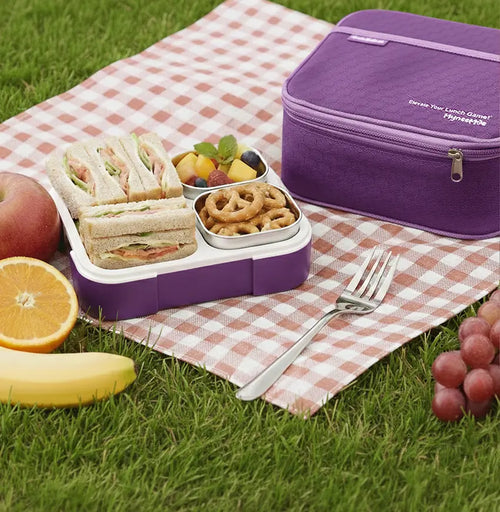
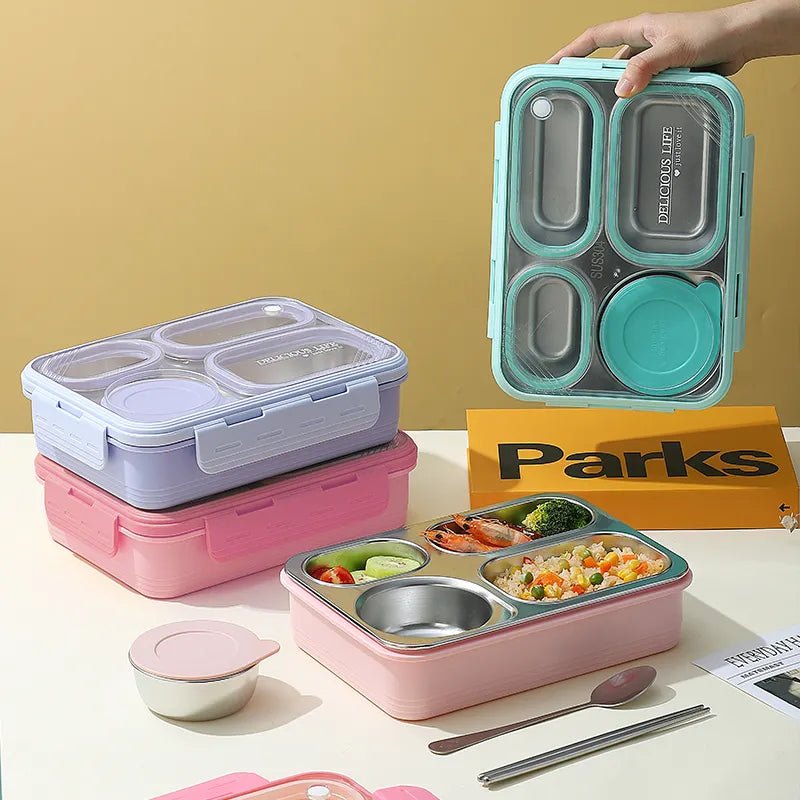
The PP5 bento option is the most practical configuration for office reheating. It's lightweight, has multiple compartments for a complete Indian meal, and the entire box can go into the microwave with the lid vented or removed.
This is the option most office workers reach for because it solves the full problem: a leakproof carrier for the commute and a direct-to-microwave container at the office, all in one box.
C. Silicone-Lid Steel Box: Steel Body With Microwave-Safe Lid for Partial Reheating
For those who prefer a steel body for its odour-resistance and durability, the silicone-lid steel box is a hybrid option. The steel body can't go into the microwave, but the food can be transferred to a dedicated microwave-safe inner container within the set. The silicone lid of the inner container is fully microwave and oven safe lunch box compatible.
This configuration suits people who want the carry benefits of steel but also need a microwave solution at the office.
How to Reheat Food Safely in a Microwave Safe Lunch Box
A. Remove the Lid or Open the Vent Before Placing in Microwave: Prevents Pressure Buildup
Steam builds up inside a sealed container during microwave heating. A fully sealed lid creates pressure that can cause the box to pop open suddenly or deform. Always remove the lid completely or open any built-in vent before placing your microwave safe lunch box in the microwave.
Most boxes designed for microwave use have a vent mechanism on the lid. If yours doesn't, remove the lid entirely and place it to the side while reheating.
B. Use Medium Power for Even Heating Without Superheating Edges
Microwaves heat unevenly at full power. The edges of the food heat first while the centre stays cold, and the edges can get hot enough to superheat briefly. Using 60–70% power gives the heat time to distribute more evenly through the food before the edges overheat.
This is especially relevant for Indian dishes with thick gravies, which need even heat distribution to reheat properly without burning at the edges while the centre stays cold.
C. Do Not Microwave for More Than 2 Minutes at a Time: Stir and Check Between Intervals
Two minutes is the safe upper limit per heating interval for most foods in a microwave safe lunch box for office use. After two minutes, open the microwave, stir the food if possible, check the temperature, and decide if another interval is needed.
This approach prevents localised superheating, keeps the box within its safe temperature range, and produces a more evenly heated meal. Most Indian office lunches are fully heated with one or two 90-second intervals at medium power.
Frequently Asked Questions
Q1: Which lunch box is best for office use if I need to microwave my food daily?
PP5 BPA free is the best choice when it comes to an office environment where there is a need to warm up meals using the microwave. The good thing with the product is that it is lightweight, has spaces to hold all the portions of the Indian food, and the whole package is microwavable. If no plastic is needed, a glass body with the inner glass bowl would be the choice.
Q2: Are stainless steel lunch boxes not microwave safe at all?
Correct. Stainless steel cannot go into a microwave at all. Steel reflects microwave energy, which interferes with the oven's function and can cause arcing. If you own a steel lunch box and need to reheat at the office, you'll need to transfer the food to a microwave-safe container for heating, then return it to the steel box to eat.
Q3: Is a BPA-free lunch box safe to microwave every day?
A lunch box made from BPA-free PP5 (polypropylene, grade 5) is rated for repeated microwave use at standard reheating temperatures. The key is PP5 specifically. Other BPA-free plastics may not be rated for regular microwave exposure. Check the base of your container for the recycling triangle with the number 5 inside to confirm the grade.
Q4: Can an oven safe lunch box go into a regular office microwave?
Yes. An oven safe lunch box made from borosilicate glass or food-grade silicone is also microwave safe. These materials handle a wider temperature range than required for microwave use, so microwave reheating is well within their safe operating range. Always vent or remove the lid before placing it in the microwave.
Q5: What's the safest material for a microwave safe lunch box for office use?
Inert and heat-resistant borosilicate glass is best suited for reheating in microwaves. This material does not react to food under any conditions and can endure sudden changes in temperature. The PP5 plastic, which does not contain BPA, is the realistic choice for everyday use. This product is lightweight and durable enough to be used in a microwave.
Q6: Does microwaving food in a plastic lunch box release chemicals into the food?
It depends on the plastic. Low-grade plastics and polycarbonate containers can leach plasticisers when microwaved, especially with repeated use. BPA-free PP5 is formulated to resist this at standard reheating temperatures. For complete peace of mind, borosilicate glass eliminates any migration concern, since glass is chemically inert at all normal food temperatures.
Q7: Can the microwave safe lunch box lid go into the microwave, too?
It depends on the lid material. Silicone lids are fully microwave safe and can stay on the box with the vent open. BPA-free PP5 lids are also microwave safe when vented. Steel lids cannot go into the microwave. When in doubt, remove the lid before reheating and place it to the side. Check your specific product for guidance on lid microwave compatibility.
Shop More Lunch Boxes : Lunch Boxes|Kids Lunch Box|School Lunch Boxes|Steel Lunch Box|Leakproof Lunch Box|Office Lunch Box|Leakproof Office Box|Bento Box Set|Steel Bento Box.
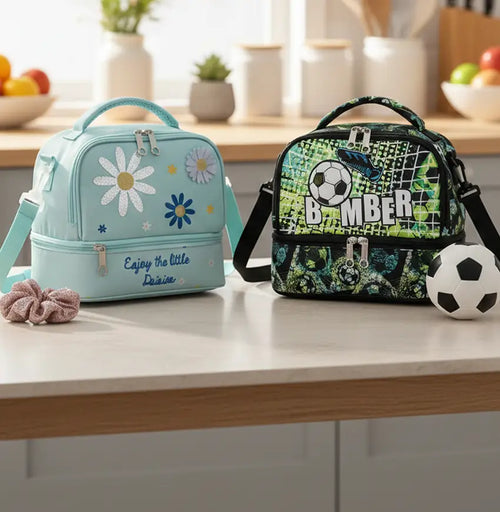
Shop Lunch Bags : Lunch Bags|Insulated Lunch Bag|Lunch Bag Gift.
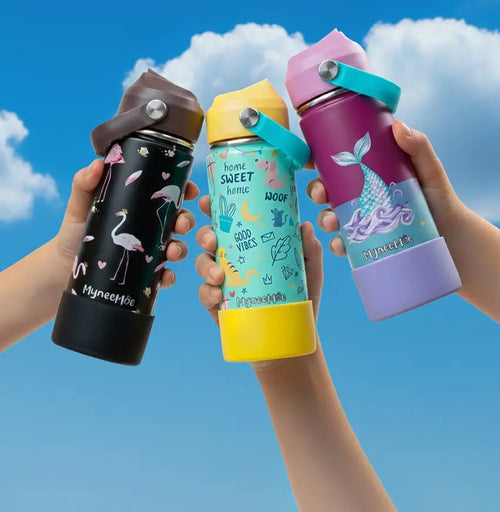
Shop Water Bottles : Water Bottles|Safe Water Bottle|Steel Water Bottle|Budget Water Bottle|Insulated Lunch Bag.
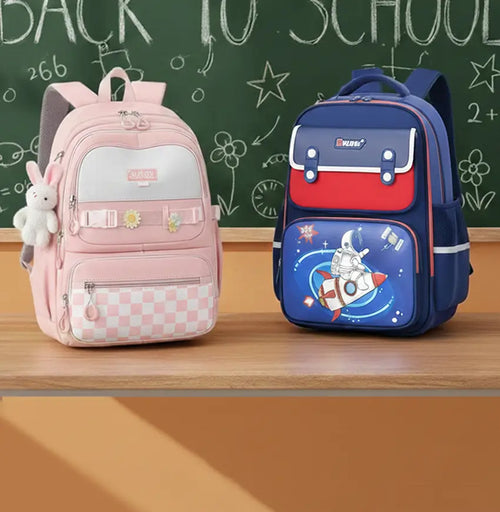
Shop Bags & Backpacks : Bags & Backpacks|Girls Backpack|Girls School Bags|Boys School Bags|Lightweight School Bag.
Shop By Budget : Under ₹999|Under ₹1999|Under ₹2999|Above ₹2999.
Explore More : Best Sellers|New Arrivals|Shop All Products|Work Day Essentials|School Kits.
Go To Homepage : MyneeMoe Home.